
Education

The Importance of Connecting Education and the Environment for Students

Why Education and Environment Are Inseparable for Our Future

Education and environment shape the same outcome: whether communities can adapt, thrive, and build a sustainable future. While environmental education empowers learners to solve problems and take action, our systems are failing to keep up. Across national education documents, environmental themes are often missing, and many educators report receiving no related training. Meanwhile, climate change is already disrupting education for millions of displaced children.

This connection goes beyond recycling; it’s about building critical thinking skills, emotional resilience, and practical knowledge. The stakes are immense. If consumption patterns remain unchanged, sustainability targets become unreachable, making the role of education and the environment even more urgent. Yet, most education policies ignore climate change and biodiversity. Environmental education must be a continuous, lifelong process that develops awareness, knowledge, and participation. It teaches students to think critically and become part of the solution, creating lasting behavioral change that temporary incentives can’t match.

Right now, education and environment face a dual crisis: climate impacts are accelerating while access to schooling is being disrupted. It is accelerating environmental problems while also disrupting access to education itself, disproportionately affecting girls, indigenous communities, and people with disabilities.

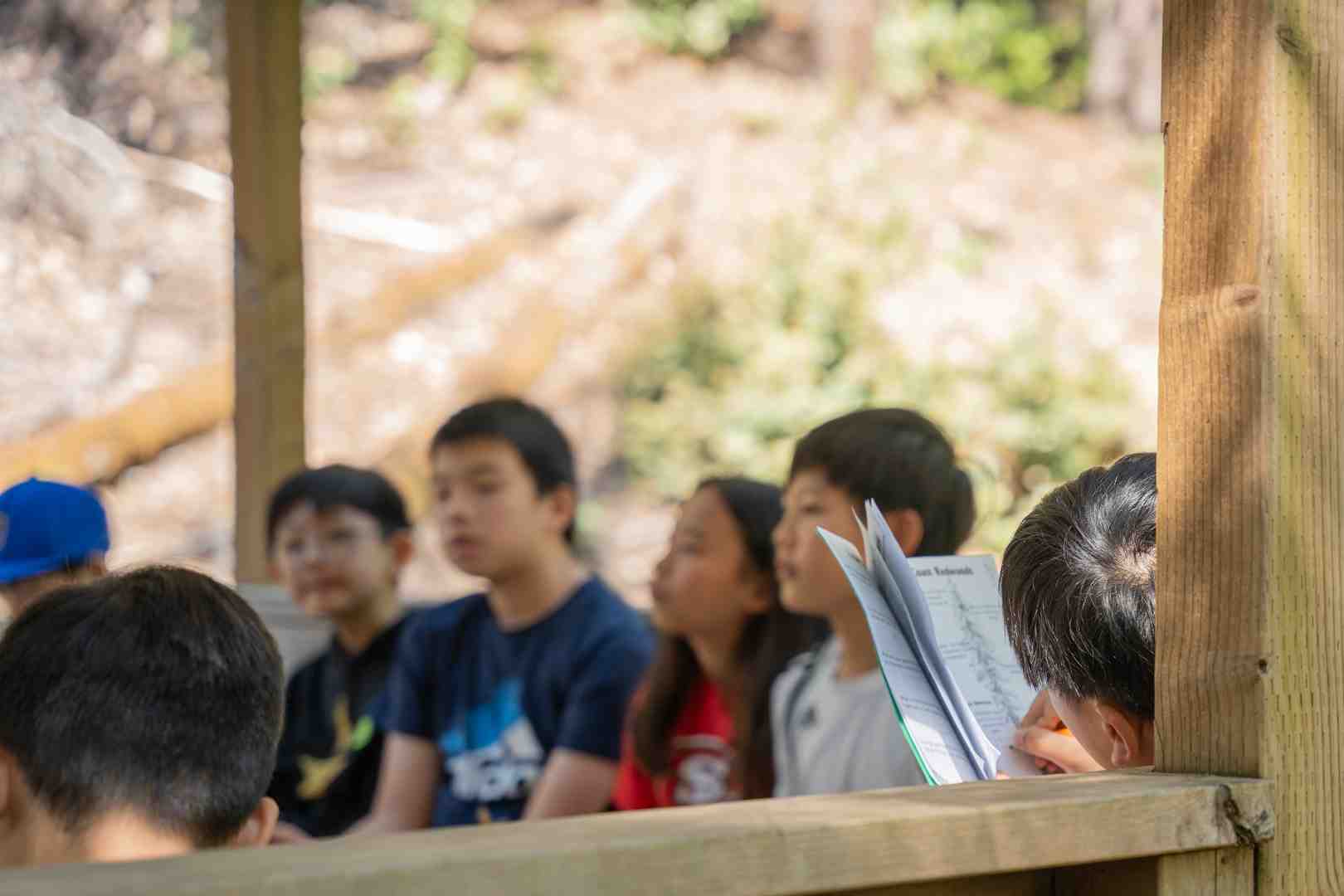
I’m Joy Ferguson, and at Alliance Redwoods Conference Grounds, I’ve witnessed how immersive outdoor experiences transform students. Direct learning in Redwood ecosystems helps students connect observation to action, an early foundation for stewardship.

To truly understand why education and environment are inseparable, we also need to recognize how learning shapes our values over time. Early childhood experiences in nature help children develop curiosity and empathy for living things. As students grow older, formal lessons in science, social studies, and civics can deepen that early sense of wonder into informed responsibility. When these experiences are missing, it becomes much harder for young people to see themselves as capable changemakers.

Because education and environmental outcomes are shared, schools, families, policymakers, and community partners must act together. Schools alone cannot fix the climate and biodiversity crises, but they can provide the foundation: scientific literacy, systems thinking, collaboration skills, and ethical reflection. Families and communities then reinforce these lessons through daily choices—how we travel, what we eat, how we use energy, and how we advocate for fair and sustainable policies.

The link between education and environment is also workforce-driven: environmental education programs prepare learners for emerging sustainability careers. Green jobs in renewable energy, ecosystem restoration, sustainable agriculture, and climate adaptation are rapidly expanding. Without robust environmental education, entire generations will be unprepared for these opportunities, and communities already facing economic hardship may fall further behind. In contrast, when schools and outdoor programs integrate environmental learning, they can help students envision concrete career paths that protect both people and the planet.

Ultimately, investing in the bond between education and environment is not a luxury; it is a prerequisite for a liveable future. The more we delay, the more costly and difficult adaptation and recovery will become. But when we act now—by equipping learners of all ages with knowledge, skills, and hope—we create ripples of positive change that extend far beyond individual classrooms or camps.

Key statistics: 47% of national curriculum frameworks don’t mention climate change; only 19% reference biodiversity; 67% of countries focus solely on cognitive learning rather than socio-emotional or behavioral learning; over one-third of teachers receive no environmental training; 45% of education documents make little-to-no reference to environmental themes

What is Environmental Education and Why Does It Matter?

Environmental education is a dynamic process designed to foster a deep connection with the natural world and equip individuals with the tools to protect it. It’s a professional field using the best educational practices to drive societal change. This process allows individuals to explore environmental issues, engage in problem-solving, and make informed, responsible decisions.

Key approaches in this field include Education for Sustainable Development (ESD), Climate Change Education (CCE), and Greening Education. ESD is a holistic framework for a just and sustainable society. CCE is a vital component focusing on climate change, while Greening Education is a comprehensive approach that integrates sustainability into the entire educational ecosystem—from curriculum to community involvement.

Feature Education for Sustainable Development (ESD) Climate Change Education (CCE) Greening Education
Scope Holistic, encompassing environmental, social, and economic sustainability Specific focus on climate change causes, impacts, and solutions Broad, integrated approach across all aspects of the education system
Primary Goal Empower learners for informed decisions and responsible action for a sustainable future Teach about climate change and its implications Equip learners for climate action, adaptation, and resilience
Relationship Overarching framework A key component within ESD Encompasses CCE and ESD, focusing on systemic integration
Key Elements Knowledge, skills, values, agency for sustainability Understanding climate science, mitigation, adaptation Curriculum, teacher training, learning environment, community

For a field-wide definition and program framework, reference the National Association for Environmental Education.

The Core Components of Effective Environmental Education

Unlike simply providing information, environmental education is a process that equips individuals to help resolve environmental challenges. Its core components include:

  • Awareness and Sensitivity: Fostering an appreciation for the environment and its challenges.
  • Knowledge and Understanding: Providing a grasp of environmental issues, their causes, and consequences.
  • Attitudes of Concern: Cultivating genuine care for the environment and a motivation to improve its quality.
  • Skills for Resolution: Developing the abilities needed to identify, investigate, and solve environmental problems.
  • Participation in Action: Encouraging active involvement that turns learning into tangible impact.

Environmental education empowers learners to weigh various sides of an issue, enhancing their problem-solving skills. It’s about equipping students with the confidence to act, not just to know. Environmental educators work across schools, community groups, and outdoor learning sites—translating complex issues into local action. Naturalists, like those at Alliance Redwoods, focus on connecting people to nature and building stewardship values.

The Relationship Between Education and Pro-Environmental Behavior

Education is key to raising awareness and promoting pro-environmental behaviors. Studies show that higher education levels often correlate with a better understanding of environmental risks. Education can create durable behavior change by building understanding, identity, and agency, not just short-term compliance.

However, the relationship is complex. Environmental concerns can differ with education levels and socio-economic factors. For example, living near protected areas, like our Redwood forest, often increases interest in environmental topics. A major challenge is that concern doesn’t always translate into action. This is why the focus is shifting from purely cognitive learning to include socio-emotional and behavioral learning. We must cultivate not just knowledge, but also the emotional connection and practical skills to act. Understanding this interplay is vital for designing effective programs that lead to real change. For evidence on the education–behavior link, cite peer-reviewed literature or reports from UNEP, UNESCO, or major universities.

The Dual Crisis: How Climate Change Impacts the Education and Environment Connection
education and environment

The intricate link between education and environment is never more evident than when we examine the devastating impact of climate change. This is a societal crisis that profoundly affects our ability to learn and grow, creating new barriers to education, particularly for the most marginalized groups.

Environmental education professionals are on the front lines, helping communities understand how a changing climate impacts daily life. However, their efforts are often hampered by the overwhelming challenges of climate-induced displacement and educational inequalities.

Challenges for Displaced Children in Accessing Education

One of the most heartbreaking consequences of climate change is the growing number of people forced to flee their homes. These climate-displaced populations, particularly children, face severe challenges in accessing education.

  • Forced Displacement and Interrupted Schooling: When families flee environmental disasters, children’s schooling can be interrupted for years, leading to significant learning loss.
  • Uncertain Legal Status: Many fleeing environmental disasters lack official papers, making it difficult to obtain legal status. As ‘irregular displaced persons’, they may avoid formal education for fear of being reported, as highlighted by UNESCO. For more details, see The impact of climate displacement on education access.
  • Physiological and Cognitive Weakening: The stress of displacement often means reduced access to quality food and clean water. The World Bank Group notes that children’s sensitivity to pollution and malnutrition can weaken their cognitive abilities, making them unfit for school. Read more in this World Bank report on how pollution weakens cognitive abilities.
  • Psychological Trauma: Witnessing disasters and adapting to a new life can lead to deep-seated trauma in children, contributing significantly to school dropout rates.
  • Child Labor Risks: Displaced families facing economic hardship are more likely to pull children from school to work, perpetuating a cycle of poverty.

How Climate Change Worsens Educational Inequalities

Climate change doesn’t affect everyone equally; it exacerbates existing inequalities, disproportionately impacting vulnerable populations.

  • Girls’ Education: Girls are often the first to be withdrawn from school when families face financial pressure from climate-related shocks, sometimes being forced into child labor or early marriage.
  • Indigenous Populations: Indigenous communities are among the first to experience climate impacts. When displaced, their children struggle to find education systems that respect their cultural heritage and traditional ecological knowledge.
  • People with Disabilities: Individuals with disabilities often have specific needs for accessible infrastructure. In climate-affected regions, these needs are frequently overlooked, further marginalizing them from education.

The Committee on the Rights of the Child emphasizes states’ obligations to protect children’s right to education from environmental harm, paying special attention to these vulnerable groups. Addressing these challenges requires integrating climate education into all levels of learning to ensure no child is left behind.

Greening Our Future: Integrating Environmental Learning into Practice

teacher leading hands-on science experiment by a stream - education and environment

The climate crisis demands a fundamental shift in how we approach education and the environment. Greening education means embedding sustainability into curriculum, teaching practice, and the learning environment—not treating it as a one-off unit.

Unfortunately, significant gaps persist. A global review found that over half of education policies don’t mention climate change, and only 19% reference biodiversity. The focus remains on cognitive learning, neglecting the socio-emotional and behavioral skills needed to solve problems. We must move beyond knowing about issues to fostering the connection and skills to act, a vision championed by UNESCO’s goal of greening every curriculum.

Key Approaches for Greening the Curriculum

Greening education requires integrating environmental issues across the entire educational experience:

  1. Holistic Pedagogy: Move beyond rote memorization to engage students socially and emotionally, developing critical thinking and problem-solving skills.
  2. Cross-Curricular Integration: Weave environmental themes into all subjects, history, literature, economics, and art, to show interconnected systems.
  3. Whole-School Approach: Green the entire school environment through sustainable facilities, green governance, and community engagement.
  4. Student-Led Projects: Empower students to identify local environmental problems and develop their own solutions, fostering ownership and agency.

The Power of Action-Oriented and Outdoor Learning

Action-oriented learning is crucial because it moves beyond passive information to active engagement. This is where immersive outdoor education programs, like those at Alliance Redwoods, become invaluable. Our programs are designed to:

  • Move from Cognitive to Behavioral Change: Through hands-on science activities, like testing water quality in Dutch Bill Creek, students experience environmental issues, fostering a deep personal connection and motivation to protect nature.
  • Foster Personal Connection to Nature: Our 115-acre Redwood forest is an unparalleled classroom for exploring local ecology. This direct interaction builds a sense of wonder and stewardship that lasts a lifetime.
  • Develop Practical Skills: Our team-building and challenge courses help students develop relational skills, problem-solving abilities, and resilience. Discover immersive activities for groups that build these critical skills.
  • Promote Local Relevance: By studying Northern California’s ecosystems, students connect global concepts to their local environment, making learning meaningful and actionable. See what a day of outdoor learning looks like and how it fosters this crucial connection.

Integrating Indigenous Knowledge and Empowering Teachers

A comprehensive approach must also integrate Indigenous knowledge, which offers profound insights into sustainable living but is often excluded from curricula. Empowering teachers is equally critical, as over a third report no environmental content in their training. We must invest in professional development and provide high-quality resources to help educators become confident agents of change. This holistic, lifelong approach is how we will truly green our future.

In practice, greening education can start with small, concrete steps that any school or group can take:

  • School gardens and habitat projects that let students grow food, restore native plants, and observe pollinators up close.
  • Energy and water audits led by students, who then propose conservation measures to school leadership.
  • Community partnerships with parks, farms, watershed groups, and tribal organizations to co-create projects that benefit local ecosystems.
  • Student research and storytelling, such as interviewing elders about past environmental changes or documenting local climate impacts through photography and writing.

These projects transform campuses into living laboratories where environmental concepts are visible and tangible every day. They also model democratic participation: learners identify problems, gather data, collaborate on solutions, and communicate their findings to decision-makers.

Professional development is another cornerstone of greening our future. When teachers feel supported with time, curriculum resources, and peer networks, they are far more likely to integrate environmental themes into their regular practice. Workshops on outdoor classroom management, local ecology, climate science, and culturally responsive teaching can help educators feel both competent and inspired.

Outdoor learning centers can serve as hubs where education and environment meet through place-based lessons, educator training, and field-tested curricula. By hosting teacher institutes, providing ready-to-use lesson plans, and demonstrating best practices in place-based education, we can help formal and nonformal educators align their efforts. The goal is not to add “one more thing” to overloaded schedules, but to weave environmental understanding into what teachers already do: reading, writing, math, social studies, physical education, and the arts.

Finally, greening our future means listening to youth voices. Around the world, young people are leading climate marches, restoring habitats, launching startups, and advocating for policy change. Environmental education should not only prepare them to participate in these movements, but also invite their leadership within schools and programs. When students help design projects, evaluate outcomes, and share results with their communities, they gain a sense of agency that can last a lifetime.

Frequently Asked Questions about Education and the Environment

Here are answers to some of the most common questions we hear about how education and environment intertwine.

Why is action-oriented learning so crucial for climate change education?

Action-oriented learning is vital because knowledge alone doesn’t create behavioral change. This approach engages students on a social-emotional level, empowering them with the skills, confidence, and motivation to take tangible action. By participating in hands-on projects and addressing local environmental issues, students develop a deeper, personal commitment to sustainability. They learn by doing, which fosters problem-solving skills, critical thinking, and a sense of agency essential for tackling complex global challenges and becoming active participants in climate solutions.

How does environmental education differ from simply providing environmental information?

Environmental information is the delivery of facts, data, or opinions, like reading an article about an issue. In contrast, environmental education is a structured process that builds critical thinking, problem-solving, and decision-making skills. It encourages learners to investigate issues from multiple perspectives and develop their own informed solutions, rather than advocating for a single viewpoint. For example, instead of just learning that a creek is polluted, environmental education involves students collecting data, researching solutions, and organizing a clean-up. This active engagement is the key difference.

What are the biggest gaps in integrating environmental issues into education today?

Major gaps exist globally. A UNESCO review found that over half of national curricula do not mention climate change, and only 19% reference biodiversity. There is also a substantial lack of teacher training, with over a third of educators reporting no environment-related content in their training programs, leaving them unprepared. The focus also remains heavily on cognitive learning (in 67% of countries), neglecting the crucial socio-emotional and behavioral skills needed for real-world action. Finally, the depth of inclusion is often very low, with 45% of national education documents making little-to-no reference to environmental themes. These gaps highlight an urgent need for more comprehensive, action-oriented approaches.

Conclusion

The journey to a sustainable future is inextricably linked to our education systems. The connection between education and environment is fundamental to nurturing a generation capable of addressing the planet’s most pressing challenges. Effective environmental education cultivates awareness, skills, and active participation, fostering a lasting commitment to pro-environmental behaviors.

The stakes are higher than ever, as climate change disrupts education and our current systems fall short due to gaps in curricula and teacher training. The path forward requires a holistic greening of education that accepts action-oriented learning, integrates diverse knowledge, and empowers educators. By prioritizing hands-on, outdoor experiences, we can foster deep emotional connection and tangible action.

At Alliance Redwoods, we witness this change daily. Our immersive, nature-based outdoor education programs provide students with unforgettable experiences that build character, community, and a profound appreciation for the natural world. By connecting students directly with the environment, we empower them to become the informed and passionate stewards our planet needs.

If you’re planning an environmental learning experience for your school or group, our team can help you align goals, schedule, and on-site learning activities. Fill out our inquiry page, and we will reach out with details soon.
 

Experience Nature’s Classroom with Youth Outdoor Education Programs in California

Why California’s Natural Classrooms Are Changing Young Lives

Youth outdoor education programs in California help students learn science and life skills through hands-on exploration in California’s forests, coasts, and mountains. In youth outdoor education programs in California, experiences range from day field studies to multi-week wilderness expeditions, depending on age and goals.

Quick Overview: What You Need to Know

  • Program Types: Residential outdoor science schools, summer adventure camps, day field trips, and year-long leadership programs.
  • Age Groups: Primarily 4th-6th graders for overnight programs; K-12 for day programs; ages 12+ for expeditions.
  • Key Benefits: Environmental stewardship, leadership development, academic enrichment, and social-emotional growth.
  • Locations: National parks, Redwood forests, coastal areas, High Sierra wilderness, and dedicated outdoor education centers.
  • Accessibility: Many programs offer scholarships to ensure broad access.
  • Duration: Single-day visits to multi-week expeditions, with 4-5 day programs being most common for schools.

Many students have limited access to safe, structured time outdoors, making youth outdoor education programs in California a powerful way to rebuild nature connection. However, research consistently shows that time spent in structured outdoor educational settings builds confidence, resilience, and a sense of environmental responsibility that lasts a lifetime. These programs immerse students in nature, creating powerful experiences that shape how they see themselves and their place in the world.

Many youth outdoor education programs in California align lessons to the Next Generation Science Standards (NGSS) through field investigations and guided reflection. They foster teamwork through challenge courses and build self-reliance as students learn to care for themselves away from home. Most importantly, they create lasting memories that graduating high school students consistently identify as highlights of their educational journey.

I’m Joy Ferguson, and through my work supporting youth outdoor education programs in California at Alliance Redwoods Conference Grounds, I’ve seen students grow in confidence, curiosity, and connection. My background in destination marketing and guest experience has given me deep insight into how these immersive experiences connect young people to their environment and inspire a lifelong appreciation for nature.

A Spectrum of Adventure: Types and Goals of Outdoor Programs

California’s landscapes create an unmatched classroom, and youth outdoor education programs in California use that diversity to teach science, leadership, and stewardship. These programs are designed with clear learning objectives, aiming to instill a deep appreciation for science while fostering character development. At Alliance Redwoods, nestled in a 115-acre Redwood forest, we exemplify this blend of hands-on science and personal growth. We believe true learning happens when young people are actively engaged with their environment. If you’re curious about the specific experiences we offer, you can find more info about our outdoor education programs.

What Are the Different Types of Youth Outdoor Education Programs in California?

The variety of youth outdoor education programs in California is as diverse as the state itself. We see a broad spectrum of options, each custom to different educational goals and participant needs:

  • Residential Outdoor Science Schools (ROSS): These are multi-day programs, often evaluated through COSA’s ROSS process, designed for immersive science learning. These programs integrate classroom curricula with direct observation and experimentation in natural settings.
  • Summer Camps: From traditional overnight camps to specialized adventure camps, summer programs provide extended opportunities for outdoor exploration. Many local organizations in counties like Alameda, San Mateo, and Sonoma offer various summer programs, from day camps to adventure activities.
  • Adventure-Based Expeditions: For older youth, some organizations offer challenging multi-day expeditions like backpacking, rock climbing, and mountaineering. These programs push participants beyond their comfort zones, fostering resilience and self-discovery in settings like the High Sierra or coastal state parks.
  • Day Programs and Field Trips: Many schools use local natural spaces for single-day field studies. These can range from exploring local parks to visiting nature centers, offering shorter, focused sessions for youth to engage with nature.
  • Youth Leadership and Year-Long Programs: Some organizations offer more intensive, year-long programs that combine challenging outdoor expeditions with ongoing community service and leadership development, often focusing on youth aged 12 and up.

At Alliance Redwoods, we offer a range of customizable options for schools and youth groups. Whether it’s a multi-day retreat or a day of team-building, we tailor our programs to meet your group’s specific needs. We invite you to explore our guest group activities to see how we can design an unforgettable outdoor adventure.

What Age Groups and Seasons Do Programs Cover?

Youth outdoor education programs in California are designed for a wide range of ages, adapting content and challenge levels to suit developmental stages.

  • Elementary School (Grades 4-6): This is a popular age for residential outdoor science schools, providing foundational science education through immersive experiences. Our programs at Alliance Redwoods frequently host elementary groups, offering them their first taste of living and learning in a Redwood forest.
  • Middle and High School (Ages 12+): As students mature, programs often shift towards more complex scientific concepts, environmental leadership, and challenging adventure activities.
  • K-12 Day Trips: For younger children or schools seeking shorter experiences, many providers offer single-day field study programs that can accommodate students from kindergarten through 12th grade.

Youth outdoor education programs in California run year-round, with seasonal programming that varies by region and ecosystem. Summer is peak season for adventure camps and longer expeditions. However, coastal and Redwood forest environments, such as our location in Sonoma County, are suitable for programs throughout the school year. School-year programs often align with academic curricula, while summer programs tend to focus more on adventure and personal growth.

What Activities and Learning Can Youth Expect?

When participating in youth outdoor education programs in California, young people can expect a rich mix of activities that bring academic subjects to life, with a focus on hands-on engagement and discovery.

  • Hands-on Science: Students might test water quality in a watershed study, track forest decomposers, or compare microclimates; common modules in youth outdoor education programs in California. This might involve studying Redwood forest ecology, stream and watershed ecology, or marine science and tidepooling.
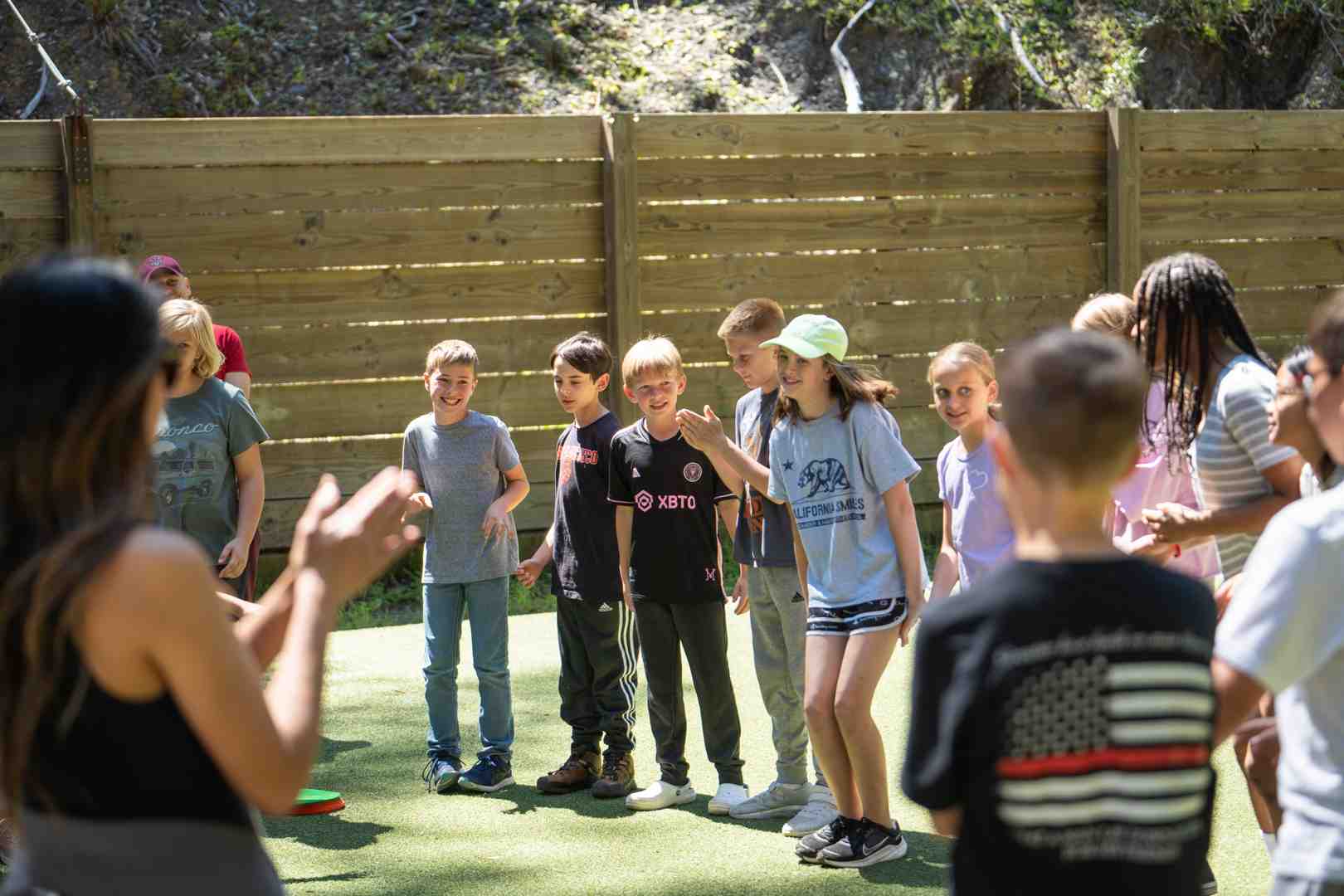
  • Team-Building and Adventure: To foster cooperation and leadership, programs often incorporate challenge courses, ropes courses, and even ziplines. These activities require communication, trust, and problem-solving.
  • Camping and Outdoor Skills: For overnight programs, youth learn essential skills like setting up camp, cooking outdoors, navigation, and Leave No Trace principles, building self-reliance.
  • Hiking and Exploration: Hiking is a core activity that allows students to immerse themselves in different ecosystems, from Redwood groves to mountain trails.
  • Journaling and Reflection: Many programs encourage journaling to process experiences, reflect on personal growth, and deepen environmental understanding.

At Alliance Redwoods, programs are built around structured field lessons, team challenges, and reflection, so learning is measurable and memorable. We offer various day experiences that can include elements of environmental education, team-building, and nature exploration. You can view our day experience options to see the possibilities.

More Than a Hike: The Core Benefits of Youth Outdoor Education Programs in California

The impact of youth outdoor education programs in California extends far beyond the immediate learning experience. These programs contribute to a child’s holistic development, reaching into their social, emotional, academic, and personal lives. We see thousands of students annually find new strengths, forge lasting friendships, and develop a profound connection to the natural world.

Fostering Environmental Stewardship and Awareness

A key outcome of youth outdoor education programs in California is a lasting relationship with the natural world, often the foundation of stewardship. When students are immersed in nature, they develop an emotional bond with the natural world, which is a powerful catalyst for environmental stewardship.

  • Connecting with Nature: Programs use California’s diverse environments—from the majestic Redwood forests of Sonoma County to dynamic coastal habitats. Students learn about these ecosystems firsthand, observing wildlife and understanding the intricate web of life.
  • Understanding Ecosystems: Through hands-on activities, youth gain a tangible understanding of ecological principles. They might study stream ecology in a local creek, learn about forest dynamics in a Redwood grove, or investigate coastal ecosystems.
  • Conservation and Restoration: Many programs involve students in practical conservation efforts, such as habitat restoration or trail maintenance. This empowers them to become active participants in protecting the environment.
  • Leave No Trace Principles: A fundamental aspect of outdoor ethics, Leave No Trace principles are taught to ensure that participants understand how to minimize their impact on natural areas.

At Alliance Redwoods, our commitment to nature is central to everything we do. We strive to provide experiences that not only educate but also inspire a lifelong dedication to caring for our planet. You can learn more about our commitment to nature.

Building Leadership, Self-Reliance, and Social Skills

Outdoor education is a powerful crucible for developing essential life skills that extend far beyond the trail or the classroom.

  • Developing Confidence and Resilience: Facing challenges in a natural setting—whether it’s navigating a tricky trail or simply spending a night away from home—builds immense confidence. These experiences teach young people they are capable of more than they imagined, fostering resilience in the face of adversity.
  • Problem-Solving and Collaboration: From setting up a tent to collaborating on a team-building activity, outdoor programs present constant opportunities for practical problem-solving. Students learn to think critically, adapt, and work together towards common goals.
  • Taking on Responsibility: In residential programs, students often take on daily responsibilities like cabin chores and helping with meal setup. These tasks foster a sense of ownership and contribution to the group’s well-being.
  • Overcoming Homesickness: For many children, an overnight program is their first extended time away from home. Successfully navigating this challenge, with the support of caring staff, builds incredible self-reliance and emotional strength.

At Alliance Redwoods, our programs are designed to cultivate these crucial life skills. We emphasize teamwork, communication, and personal responsibility in a supportive, natural environment. We believe that clear expectations and preparation are key to a successful experience, and you can find more information in our section on expectations and orientation.

Academic and Personal Enrichment

Youth outdoor education programs in California are powerful engines for academic and personal growth, providing a unique context that traditional classrooms cannot replicate.

  • Bringing Science to Life: These programs excel at making science tangible and exciting. Instead of reading about ecosystems, students are immersed in them. Many programs explicitly align their curricula with Next Generation Science Standards (NGSS) and Common Core, enhancing classroom learning.
  • Supporting School Curricula: The outdoor classroom acts as a living laboratory, reinforcing concepts taught in school with real-world applications.
  • Improved Academic Performance: Research suggests that students who participate in outdoor education often show improved academic performance, particularly in science. The hands-on nature of these programs helps different learning styles thrive.
  • Increased Self-Esteem and Self-Discovery: Successfully navigating outdoor challenges and connecting with nature contribute to a boost in self-esteem. Students learn about their own capabilities and strengths in ways that build confidence.
  • Fostering Curiosity: The wonder of exploring a new environment can spark a lifelong love for learning. When students are engaged and curious, learning becomes an adventure.

california outdoor education

Choosing the right youth outdoor education program in California for your child or student group is a big decision. As parents and educators, we want to ensure the experience is not only enriching but also safe and aligned with our values. Here’s a guide to help you find the perfect fit.

Evaluating Program Safety and Staff Expertise

When evaluating youth outdoor education programs in California, ask about staff training, emergency planning, supervision, and communication procedures. Ask detailed questions about safety protocols and staff qualifications.

  • Safety and Emergency Protocols: Reputable programs will have comprehensive safety measures, including clear emergency procedures, well-maintained equipment, and protocols for monitoring environmental conditions.
  • Staff-to-Student Ratios: Inquire about the ratio of staff to students, as this directly impacts supervision and personalized attention.
  • Staff Qualifications: The expertise of the staff is crucial. Look for programs that employ staff with relevant certifications such as Wilderness First Responder (WFR), CPR/AED, and Lifeguard certifications. Many educators are also Certified Interpretive Guides, skilled in making learning engaging.
  • Background Checks: Ensure that all staff members who work with children undergo thorough background checks.
  • Passionate Educators: Beyond certifications, look for staff who are passionate about sharing the outdoors with young people. This enthusiasm is contagious and makes a significant difference in the learning experience.

For risk-management baselines, compare provider policies with national camp standards (e.g., ACA) and documented state guidance.

Curriculum, Accreditation, and School Alignment

For school groups, aligning the outdoor program with academic goals is essential.

  • Alignment with CA Education Standards: Many programs, particularly residential outdoor science schools, are designed to align with the California Education Code. They often integrate Next Generation Science Standards (NGSS) and Common Core into their curriculum.
  • California Outdoor Schools Association (COSA): COSA is a key resource. It uses a Residential Outdoor Science School (ROSS) certification process to help ensure high-quality, academic, and safe learning environments. Looking for COSA-certified programs can provide an extra layer of assurance. For state-level information, the California Department of Education’s Outdoor Education Program page is also a valuable resource.
  • Inquiry-Based Learning: Effective programs promote inquiry and discovery, encouraging students to ask questions and seek answers through direct interaction with their environment.

Finding Accessible Youth Outdoor Education Programs in California

Every young person deserves access; look for programs that offer scholarships, partner with districts, and build inclusive supports.

  • Scholarship Opportunities: Many organizations are deeply committed to accessibility and offer scholarships for individuals or groups. It is common for a significant percentage of participants to receive some form of financial aid.
  • Programs for Underserved Communities: Several initiatives across the state focus on making outdoor education available to communities that might traditionally face barriers, connecting local youth to nature education within their urban and surrounding areas.
  • Inclusivity and Cultural Relevance: Beyond financial aid, many organizations are focusing on developing culturally relevant and responsive programming to ensure all participants feel represented and honored.

Frequently Asked Questions about California Outdoor Education

We understand that parents and educators often have specific questions when considering youth outdoor education programs in California. Here are some of the most common ones we hear:

How do I prepare my child for an overnight outdoor education program?

Preparing your child is key to a successful and enjoyable experience. Here’s what we recommend:

  • Communicate Excitement: Talk positively about the adventure, the new things they’ll learn, and the fun they’ll have. Your enthusiasm is contagious.
  • Pack Appropriately: Programs provide a detailed packing list. Follow it closely, sending older, serviceable clothing suitable for layering to ensure they are comfortable and safe.
  • Discuss Homesickness Openly: It’s natural for some children to miss home. Acknowledge this possibility and reassure them that it’s okay, focusing on coping strategies like talking to their cabin leader.
  • Avoid Promising an Early Pickup: Program providers often advise against this. Promising to retrieve a child if they are unhappy can hinder their ability to adjust and gain the full benefit of uninterrupted attendance.
  • Trust the Program Staff: Reassure your child that the staff are caring, experienced, and there to help them through new experiences.
  • Fill Out Forms Completely: Provide all necessary health and dietary information well in advance so the program can make appropriate accommodations.

What is the role of technology on these trips?

Most youth outdoor education programs in California accept a “digital detox” philosophy.

  • Screen-Free Environment: Typically, students are not allowed to bring personal electronic devices. This policy is designed to foster a more immersive experience.
  • Focus on Direct Experience: Without screens, children are encouraged to engage fully with their natural surroundings and interact face-to-face with peers and instructors, improving social and observational skills.
  • Emergency Communication: While students won’t have phones, program staff handle all emergency communication. Parents are provided with emergency contact numbers and procedures.

This intentional disconnection allows young people to be more present and connect deeply with nature and each other.

Conclusion: Your Child’s Next Great Adventure

Investing in youth outdoor education programs in California is an investment in a child’s future. These experiences offer a unique blend of academic enrichment, environmental stewardship, personal growth, and social development that leaves a lasting impact. From majestic Redwoods to rugged coastlines, California’s diverse natural environments provide the perfect backdrop for these transformative journeys.

We’ve explored the types of programs available, the benefits they provide, and how to choose the right one. The long-term impacts are clear: increased confidence, stronger social bonds, and a lifelong appreciation for the natural world. Graduating high school students often look back on these outdoor adventures as some of the most memorable moments of their education.

California’s unique advantage lies in its unparalleled natural beauty and the dedicated organizations committed to high-quality outdoor education. At Alliance Redwoods, we are proud to contribute to this vital mission. Our historic retreat and conference center, nestled in 115 acres of a pristine Redwood forest in Sonoma County, offers exceptional Environmental Education and Character Development programs. We provide immersive, nature-based experiences that foster meaningful connection and growth.

If you’re planning a field program or overnight experience, we’ll help you match curriculum, schedule, and supervision to your group’s needs. Fill out our inquiry form and check out all of our Outdoor Education information to explore your options!


The Importance of Outdoor Education in California for Our Youth

Why California is a Premier Destination for Outdoor Learning

Outdoor education in California offers an unparalleled opportunity to learn through direct experience in the world’s most diverse natural environments. From coastal Redwood forests to alpine peaks, the state provides living laboratories where textbooks come to life, and students develop skills that last a lifetime.

Quick Answer: What You Need to Know About Outdoor Education in California

  • Program Types: Day trips, residential science schools, expeditions, and summer camps.
  • Core Benefits: Builds confidence, critical thinking, teamwork, and environmental stewardship.
  • Curriculum Focus: STEM, environmental science, marine biology, geology, and character development.
  • Key Locations: Coastal Redwoods, High Sierra mountains, deserts, and marine sanctuaries.
  • Grade Levels Served: Primarily grades 4-12, with programs adapted for all ages.
  • Safety Standards: Look for WASC accreditation, COSA membership, and certified staff (WFR, Leave No Trace).
  • Accessibility: Many programs partner with schools and community organizations to expand participation and support a wide range of student needs.

California’s landscapes make outdoor education in California uniquely powerful because students learn science and stewardship in real field conditions. Multiple studies report measurable gains from outdoor education in California-style programs, including teamwork, perseverance, and self-awareness. These positive changes hold true across all demographics, making outdoor education a powerful equalizer.

The mission of outdoor education in California programs is to build respect for ecosystems through hands-on field study and reflection. Students don’t just learn facts—they develop a personal connection to nature that inspires lifelong environmental advocacy. These experiences help students find new strengths, build confidence, and develop critical thinking skills that serve them throughout their lives.

One reason outdoor education in California stands out is geographic variety—coast, mountains, deserts, and marine systems within a short travel window. Within a few hours’ drive, students can explore coastal Redwood forests, High Sierra peaks, desert environments, and marine sanctuaries. This diversity allows programs to customize experiences based on curriculum goals and student age, from stream ecology in a Redwood forest to desert survival skills.

Many providers recognize that participation barriers exist and work with community partners to broaden access and representation in outdoor education in California. Scholarship programs and community partnerships help ensure that all students—regardless of background—can benefit from outdoor learning. This commitment to equity reflects a broader understanding that outdoor education in California should be available to every student.

I’m Joy Ferguson, and I’ve seen how outdoor education in California changes group dynamics and deepens learning through place-based experiences at Alliance Redwoods. This guide will help you steer through the options and find the right program for your group.

Next, you’ll learn how to choose outdoor education in California program types, align curriculum, evaluate safety benchmarks, and plan logistics.


The Core Mission: Fostering Stewardship and Lifelong Skills

At its heart, outdoor education in California is ‘learning by doing’—students test ideas outdoors, then reflect to turn experience into understanding. True understanding comes from direct interaction with the environment—feeling the bark of a Redwood, observing a stream, or navigating a challenge course. This hands-on approach fosters a deep connection to the material. These challenges are also pivotal for Social-Emotional Learning (SEL). By stepping outside their comfort zones, students build resilience, adapt to new situations, and emerge with greater self-awareness, compassion, and critical thinking skills.

student journaling in natural setting - outdoor education in california

Cultivating Environmental Stewards for the Future

A vital goal of outdoor education in California is to cultivate environmental stewards through field science and low-impact practices. In outdoor education in California, students learn ecosystem interdependence by studying forests, watersheds, and tidepools through guided observation and inquiry. Through hands-on activities like studying Redwood ecology, analyzing watershed health, or exploring tide pools, students gain a deep understanding of ecosystems. They learn about the interconnectedness of species and the importance of conservation, fostering a profound connection to nature that inspires them to become lifelong advocates for the planet.

To deepen that connection, many programs incorporate regular reflection through journaling, group debriefs, and solo sit-spots in nature. These quiet moments help students process what they are experiencing, notice subtle details in the environment, and connect their learning to their values and choices back home. Over time, these practices can shift how young people see themselves in relation to the natural world—from visitors to caretakers.

Building Character and Confidence Beyond the Classroom

Outdoor education in California builds character by requiring communication, shared responsibility, and problem-solving in real-world conditions. Teamwork and collaboration are woven into every activity, from setting up camp to solving problems on a challenge course. Students learn to communicate, listen, and work together toward common goals, developing crucial leadership skills. Problem-solving is honed in real-world scenarios where they must think critically and adapt. The confidence gained from overcoming these challenges is transformative.

Research from The PEAR Institute confirms the profound impact of this approach, showing significant positive changes in perseverance, teamwork, empathy, and self-awareness. These shifts are consistent across all demographics, demonstrating the power of outdoor experiences to foster the resilience and critical thinking needed to thrive.

Educators often see classroom benefits after outdoor education in California, including stronger collaboration and improved engagement. Teachers frequently report improved group dynamics, better behavior, and greater engagement in school after an outdoor program. Families notice students taking more initiative, showing increased responsibility, and expressing greater appreciation for time spent outdoors. For many participants, an outdoor education experience becomes a reference point they draw on when facing future challenges.

A Spectrum of Programs: Finding the Right Fit for Your Students

The strength of outdoor education in California is variety; programs can be designed around grade level, standards, and group outcomes. Whether you’re a school or youth organization, outdoor education in California programs can be designed to match learning goals and group outcomes.

students working together on a low ropes challenge course - outdoor education in california

Program Models: From Day Trips to Residential Camps

The range of program models offers flexibility for different schedules and goals.

  • Day Trips: A focused, immersive taste of outdoor learning without an overnight stay.
  • Leadership retreats: For older students and educators, some outdoor education in California sites also support structured leadership and reflection experiences.
  • Residential Science Schools: Multi-day, overnight programs that allow for deep immersion in environmental science.
  • Multi-day Expeditions: More rigorous adventures like backpacking or climbing that build advanced outdoor skills.
  • Summer Camps: Classic multi-day sessions focused on nature exploration, skill-building, and making friends.

To explore scheduling options for outdoor education in California, you can learn more about our programs by filling out our inquiry form.

Curriculum Focus for Outdoor Education in California

Curriculum in outdoor education in California commonly blends NGSS-aligned field science with reflection, communication, and leadership practice.

  • STEM & Environmental Science: A cornerstone of most programs, making science tangible through hands-on study of botany, geology, and marine science.
  • Leadership & Team Building: Challenge courses, group initiatives, and collaborative projects foster communication, cooperation, and leadership.
  • Adventure Programming: Activities like rock climbing and ropes courses, such as our challenge courses, build confidence and resilience.
  • Character Development: A focus on personal growth, ethical decision-making, and fostering empathy and respect.

This holistic approach addresses both intellectual and personal development.

Matching Programs to Age and Group Goals

Younger students often benefit from shorter experiences close to home that emphasize discovery, play, and simple science concepts. Upper elementary and middle school groups are ready for more structured field science, basic navigation, and cooperative challenges. High school and college groups can handle expedition-based learning, complex ecological topics, and intensive leadership development.

When choosing a program, clarify your primary goals: Are you hoping to strengthen a new class community, deepen NGSS-aligned science learning, support a leadership cohort, or give students a capstone experience before graduation? Sharing these goals with your host site helps them fine-tune activities, schedules, and staffing to deliver the outcomes you care about most.

Many centers also offer themed programs—such as watershed studies, climate resilience, forest ecology, or coastal systems—so that you can reinforce specific units taught in the classroom.

Exploring California’s Natural Classrooms

Outdoor education in California works especially well because the state offers multiple ecosystems that match different standards and learning objectives. From ancient forests to stark deserts, each environment offers unique learning opportunities, allowing educators to choose a setting that perfectly complements their curriculum.

Coastal Redwood Forests and Marine Sanctuaries

At Alliance Redwoods in Sonoma County, outdoor education in California comes alive through Redwood ecology, watershed inquiry, and guided field journaling. Our 115-acre property offers an immersive experience in Redwood ecology, where students can study the unique ecosystem beneath the canopy. Nearby streams, which serve as Coho salmon habitats, provide opportunities for watershed studies, while coastal marine sanctuaries allow for tidepooling and marine biology exploration. These living laboratories make lessons come alive. We invite you to explore accommodations in the Redwoods to experience our unique setting.

In these coastal settings, students can investigate topics such as microclimates, Redwood adaptations, decomposer communities in the forest floor, and the ways land-use practices affect salmon-bearing streams. At the coast, they might compare rocky tidepools to sandy beaches, measure water temperature and pH, or survey invertebrate diversity as they learn about marine protected areas.

The High Sierra and Majestic National Parks

Beyond the Redwoods, outdoor education in California includes alpine study in the Sierra, desert systems science, and coastal marine fieldwork. This region, home to destinations like Yosemite National Park, offers different learning experiences. Here, students can engage in alpine backpacking and mountaineering, exploring the unique geology and ecosystems of high-altitude environments. These programs foster incredible resilience and self-reliance.

Lessons in the Sierra might include glacial geology, fire ecology, watershed dynamics from snowpack to river, and the cultural history of Indigenous stewardship in mountain environments. Extended trips in these areas naturally weave in lessons on pacing, risk management, and group decision-making.

High Deserts and Unique Geological Formations

California’s high deserts, like those in Joshua Tree National Park, provide another distinct learning platform. Students can learn desert survival skills, study unique rock formations, and enjoy astronomy under clear night skies. These programs emphasize observation, critical thinking, and an appreciation for the resilience of desert ecosystems.

Desert-based programs often explore water conservation, plant and animal adaptations, dark-sky astronomy, and human impacts on fragile landscapes. Because conditions can be more extreme, they also give powerful context for discussions about climate, resource use, and environmental ethics.

Urban-Adjacent Nature and Local Field Sites

Not every outdoor experience requires a long bus ride. Many California communities are near regional parks, urban forests, creeks, or shorelines that can serve as accessible outdoor classrooms. Partnering with a center like Alliance Redwoods for a residential trip and then reinforcing learning through local field outings creates continuity throughout the year.

Using nearby nature also helps students see that environmental stewardship starts at home—in school gardens, neighborhood parks, and local watersheds—not only in iconic destinations like national parks.

The Gold Standard: Safety and Accreditation in Outdoor Education in California

When choosing an outdoor education program in California, prioritize documented risk management, trained staff, and transparent policies. Vetting providers thoroughly is essential for ensuring student well-being and a high-quality educational experience.

Understanding Key Accreditations and Certifications

Accreditations are crucial indicators of a program’s commitment to safety and excellence.

  • WASC Accreditation: The Western Association of Schools and Colleges (WASC) accreditation signifies a high standard of educational quality and operational integrity.
  • California Outdoor Schools Association (COSA): Membership in COSA shows a commitment to statewide standards and best practices. Its Residential Outdoor Science School (ROSS) certification indicates a high-quality, safe learning environment.
  • Staff Certifications: A professional, well-trained staff is vital. Look for instructors with certifications like Wilderness First Responder (WFR), Leave No Trace Trainer, and Certified Interpretive Guide.

How to Vet a Program for Safety and Quality

Beyond accreditations, ask specific questions to vet a program.

  • Staff-to-Student Ratios: Inquire about ratios, as smaller groups allow for closer supervision and better learning.
  • Emergency Action Plans: A reputable program will have clear, rehearsed emergency plans for various scenarios.
  • Instructor Qualifications: Ask about instructors’ experience with your group’s age and the specific activities offered.
  • Transparent Policies: Look for clear policies on behavior, health, and cancellations. We invite you to review our program expectations to see our commitment to a safe, structured environment.
  • Environmental Monitoring: Ask how the program monitors weather and trail conditions to adapt plans and ensure safety.

Taking these steps will help you select a program that prioritizes student safety while delivering an exceptional learning experience.

Families and schools may also want to know how programs handle dietary needs, medical management (such as medications, allergies, and chronic conditions), and inclusive practices for students with disabilities. Well-established centers typically have clear procedures, designated medical staff or trained first-aid leads, and accessible options for students with varying mobility or sensory needs.

Open communication is key: before arriving, share any concerns about student health, cultural or religious needs, and behavioral supports so staff can partner with you to create a safe, welcoming environment for every participant.

Making It Happen: Accessibility, Funding, and Professional Growth

We believe that the transformative power of outdoor education in California should be accessible to all students. Many organizations are committed to removing financial and cultural barriers, while the field also offers robust professional growth opportunities.

Access and Inclusion for All Students

Making these experiences accessible is a priority.

  • Participation Support: Many providers coordinate with schools and community partners to increase participation for students who might otherwise be left out.
  • Fundraising Support: Programs often provide resources to help schools and families fundraise for trips.
  • Community Partnerships: Collaborations with schools and local organizations help ensure programs are culturally relevant and responsive.
  • Planning Resources: Some districts and community partners offer planning tools and program support to help schools run trips smoothly and consistently.

The goal is to provide equal access to nature for every student.

To make the most of these opportunities, schools can start planning a year in advance, set up a dedicated trip committee, and involve families early. Many groups combine grants, school funds, family contributions, and community fundraisers to build a sustainable model so that outdoor learning becomes a regular part of the school culture rather than a one-time event.

Opportunities for Educators and Aspiring Professionals

The field of outdoor education in California also offers numerous avenues for professional growth.

  • Teacher Training: Centers offer workshops to help teachers integrate outdoor learning into their curriculum.
  • Professional Development Retreats: Programs offer retreats focused on team building, leadership, and personal growth in a natural setting. You can plan your next group meeting at a facility designed for both learning and relaxation.
  • Career Paths: The sector offers fulfilling careers as Naturalists, Guides, and Program Coordinators, attracting professionals from diverse backgrounds who are passionate about the outdoors and education.

This commitment to excellence ensures that programs are led by highly skilled and dedicated professionals.

For classroom teachers, co-teaching with outdoor educators during a trip can be an invaluable learning experience. Many return to their schools with new strategies for inquiry-based learning, field journaling, and place-based instruction that they can apply on their own campuses.

Aspiring outdoor professionals often enter the field through seasonal roles, internships, or residential naturalist positions, gaining mentorship and formal training along the way. California’s robust network of outdoor schools, camps, parks, and environmental nonprofits offers a wide range of pathways for those who want to turn a love of nature and teaching into a long-term vocation.

Frequently Asked Questions about Outdoor Education in California

What is the ideal age for students to start outdoor education programs?

While programs are available for all ages, grades four through seven are a formative period for environmental science and character development. Secondary school programs often introduce more challenging adventure activities and deeper scientific concepts. Fostering a connection to nature is beneficial at any age, and programs are designed to align with different developmental stages.

How do programs align with school curriculum standards?

Reputable outdoor education programs in California are designed to complement classroom learning and make textbooks “come to life.”

  • Next Generation Science Standards (NGSS): The outdoors serves as a dynamic lab for inquiry-based learning, allowing students to apply scientific practices in real-world contexts.
  • Common Core Integration: Outdoor education supports Common Core standards through activities like journaling, collaborative discussions, and problem-solving.
  • Hands-on Application: The outdoor classroom provides an unparalleled opportunity for hands-on application of concepts, deepening understanding, and making learning memorable.

What should students pack for a residential outdoor education trip?

While your chosen provider will supply a specific list, a general guide includes:

  • Layered Clothing: Pack clothes that can be layered (t-shirts, fleece, waterproof jacket) to adapt to changing weather.
  • Sturdy, Closed-Toe Shoes: Hiking boots or athletic shoes are essential.
  • Reusable Water Bottle: Hydration is key.
  • Daypack: To carry water, snacks, and a rain jacket.
  • Sleeping Bag & Pillow: For overnight programs.
  • Toiletries: Including sunscreen and any personal medications.
  • Flashlight or Headlamp.
  • Journal and Pen: To encourage reflection and observation.

Always refer to the specific packing list from your provider, as it will be customized to their location and activities.

How far in advance should we book an outdoor education program?

Popular seasons can fill a year or more in advance, especially for residential science schools. If you have fixed dates or a large group, reaching out 9–12 months ahead is ideal. Some centers also maintain waitlists and can accommodate last-minute openings, but early planning gives you more choices and time to prepare students and families.

Can outdoor education programs support diverse learning needs?

Yes. Many programs are experienced in working with a wide range of learners, including students with physical disabilities, learning differences, English language learners, and neurodivergent participants. Communicate specific needs in advance so staff can adapt activities, provide additional support, or offer alternative options while still keeping the experience inclusive and meaningful.

Conclusion: Investing in the Next Generation Through Nature

Outdoor education in California is a profound investment in the next generation. It moves learning beyond classroom walls into a dynamic environment that fosters environmental stewardship, builds confidence, and hones critical thinking skills. Through immersive experiences in California’s diverse natural classrooms—from our own Redwood forests to the High Sierra—students learn to collaborate, lead, and develop a deep, lifelong appreciation for the natural world.

The commitment to safety, quality, and accessibility ensures these transformative experiences are delivered with the highest standards of care. Choosing an accredited provider is an investment in your students’ holistic development and their future as responsible, capable individuals.

At Alliance Redwoods, outdoor education in California takes place on a 115-acre Redwood campus designed for field learning, reflection, and group growth. We believe in the power of this environment to foster meaningful connection and growth.

We invite you to explore our outdoor education programs and find out how we can help your group connect with nature, learn, and grow. For any inquiries or to begin planning your next unforgettable outdoor learning adventure, please inquire about booking your group.

Whether you are a teacher planning your first overnight trip, a school leader working to embed outdoor learning into your long-term vision, or a parent curious about what these experiences can offer your child, California’s outdoor classrooms are ready. With thoughtful planning and the right partners, you can open the door to powerful, life-shaping learning that students will remember well into adulthood.