
Sonoma County Outdoor Activities: A Guide to Water, Coast, Trails, and Redwoods
Sonoma County outdoor activities often begin on the water, where the Russian River, Lake Sonoma, and the Pacific coastline shape some of the region’s most memorable natural experiences. From the meandering curves of the Russian River to the expansive waters of Lake Sonoma and the rugged Pacific coastline, aquatic adventures offer some of the most inspiring ways to experience our regional landscapes. Sonoma County features more than 50 miles of Pacific Ocean coastline, complemented by dozens of inland river access points, protected lagoons, and freshwater reservoir recreation areas. For groups planning Sonoma County retreats, local waterways provide memorable settings for paddling, shoreline walks, team building, environmental study, and wildlife observation. Experiencing these diverse waterways allows visitors to appreciate how marine air, inland river corridors, and protected coastal watersheds interact to create the vibrant ecosystems that define Northern California.
Paddleboarding, Kayaking, and Boating on Rivers and Lakes
The Russian River anchors many inland Sonoma County outdoor activities, offering calm stretches for stand-up paddleboarding, canoeing, and tandem kayaking. Flowing past towering groves of ancient and secondary-growth Redwoods, lush riparian corridors, and sun-drenched gravel bars, it provides long, calm stretches that are ideal for stand-up paddleboarding (SUP), flatwater canoeing, and tandem kayaking. Popular river reaches allow visiting groups to paddle gently downstream beneath a canopy of native willows, box elders, and alders, pulling ashore on quiet gravel beaches for group discussions, outdoor lunches, and environmental observations. As paddlers glide along these peaceful river segments, they frequently encounter vibrant aquatic wildlife, including river otters, western pond turtles sunning on submerged logs, great blue herons stalking the shallows, and belted kingfishers diving for small fish.
Near Geyserville, Lake Sonoma expands the range of Sonoma County outdoor activities with open-water paddling, boating, wildlife viewing, and shoreline camping. Created by the construction of the Warm Springs Dam, the reservoir covers approximately 2,700 surface acres with sprawling fingers reaching 9 miles up Dry Creek and 4 miles up Warm Springs Creek. Boating and paddling enthusiasts can explore tranquil, secluded coves, observe native raptors soaring overhead, or access more than 100 primitive boat-in campsites situated along the scenic shoreline. The adjoining Warm Springs Fish Hatchery provides educational exhibits explaining coho salmon, steelhead, and chinook restoration initiatives, showing the ecological commitment necessary to support healthy native fish populations across Northern California watersheds.
In Santa Rosa, Spring Lake Regional Park delivers an accessible freshwater escape for visitors of all ages. The park features a designated swimming lagoon, an inflatable floating water park open during the summer months, and paddlecraft rentals for canoeing and stand-up paddleboarding. For visitors eager to develop precision outdoor skills, local casting clinics and educational programs can help participants practice technique before heading to active riverways and coastal streams.
Coastal Exploration, Surfing, and Whale Watching
Where the coastal bluffs meet the Pacific, Sonoma Coast State Park encompasses a dramatic 17-mile stretch of headlands, sandy coves, barrier dunes, and rocky sea stacks. Bodega Head is a strong coastal vantage point for observing the annual Pacific gray whale migration along the Sonoma Coast. Twice each year, roughly 20,000 gray whales travel along the California coastline between their summer Arctic feeding grounds in the Bering and Chukchi Seas and the warm calving lagoons of Baja California, providing awe-inspiring viewing opportunities from December through April.
The Pacific coast also offers dynamic conditions for experienced surfers at exposed breaks like Salmon Creek Beach, while sheltered rocky headlands protect rich intertidal zones. Exploring these protected marine reserves during low tide reveals vibrant sea stars, giant green anemones, nudibranchs, and hermit crabs, creating an unforgettable hands-on marine biology lesson. The rhythmic cadence of ocean swells against towering sea cliffs provides an inspiring setting for group reflection, nature photography, and coastal conservation study.
Sonoma County’s coastal wetlands, tidal estuaries, and harbors also support rich birdwatching, making the coast a valuable addition to nature-focused Sonoma County outdoor activities. Coastal wetlands, tidal estuaries like the Estero Americano, and sheltered harbors provide critical resting and foraging grounds for brown pelicans, ospreys, black oystercatchers, and diverse shorebirds, making our coast a world-class destination for birders, environmental students, and outdoor naturalists alike.
Hiking, Mountain Biking, and Trail Running Through Diverse Landscapes
For land-based Sonoma County outdoor activities, regional preserves and state parks offer trail systems for hikers, runners, cyclists, families, and outdoor education groups. From steep mountain tracks in the Mayacamas Range to gentle, moss-lined paths beneath towering canopies of coastal Redwoods, the trail network invites deep physical engagement and serene wilderness immersion. Each elevation zone reveals distinct geological formations, coastal microclimates, and indigenous plant communities that highlight Northern California’s extraordinary biodiversity.
| Trail / Park Location | Distance / Loop Type | Elevation Gain | Skill Level | Standout Highlights |
|---|---|---|---|---|
| Gunsight Rock via Lawson Trail (Hood Mountain) | 7.5 miles (Out-and-back) | 2,000+ ft | Strenuous | Panoramic vistas of Sonoma Valley, Mayacamas Range, and San Francisco Bay |
| Half a Canoe & Rancheria Loop (Lake Sonoma) | 7.0 miles (11.3 km Loop) | 1,243 ft (379 m) | Moderate | Oak woodlands, panoramic lake views, rolling singletrack |
| Islands in the Sky & Seven Springs (Occidental area) | 5.6 miles (Loop) | 1,318 ft | Moderate | Coastal Redwoods forest scenery, spring wildflowers, diverse birdwatching |
| Umbrella Tree Trail (North Sonoma Mountain) | 2.0 miles (Out-and-back) | 505 ft | Moderate | Sweeping views of Bennett Valley, Napa peaks, and distant ocean vistas |
| Armstrong Redwoods Pioneer Trail (Guerneville) | 1.5 miles (Easy Loop) | Negligible | Accessible / Easy | Ancient coastal Redwoods, Colonel Armstrong Tree, flat ADA-friendly path |
Challenging Summits and Sonoma County Outdoor Activities for Mountain Bikers
For trail runners, cross-country cyclists, and hikers seeking substantial vertical gain, Hood Mountain Regional Park and Open Space Preserve | Sonoma County Regional Parks provides a rugged 3,600-acre wilderness preserve. Anchored by the 2,730-foot peak of Hood Mountain—the highest peak in the Mayacamas Mountains within the county—the park offers demanding ascents across rugged volcanic terrain. The Lawson Trail leads adventurers through dense chaparral and shady canyons up to Gunsight Rock, where clear days reward your physical effort with sweeping panoramic views reaching from the Sonoma Valley across the San Francisco Bay to the Golden Gate Bridge.
Mountain bikers can find varied terrain throughout the region, including flowing singletrack, technical descents, shaded fire roads, and scenic ridgeline routes. The Half a Canoe and Rancheria Loop, California – 240 Reviews, Map | AllTrails in the Lake Sonoma Recreation Area provides 11.3 kilometers of dynamic cross-country mountain biking and trail running. The route winds through mixed evergreen and oak woodlands, offering scenic vistas over the lake and challenging switchbacks that test endurance and technical handling skills.
Further west toward the coast, the Monte Rio Redwoods trail network features nearly 30 miles of dedicated singletrack and shaded fire roads, giving mountain bikers of all skill levels the opportunity to ride beneath towering Redwoods while navigating technical switchbacks, exposed roots, and fast descents. These deep forest corridors stay comfortably cool even during warm summer afternoons, making them a favored destination for endurance athletes, outdoor enthusiasts, and trail runners across Northern California.
Scenic Redwoods Groves and Accessible Nature Walks
Accessible Sonoma County outdoor activities include quiet forest walks, ADA-friendly paths, and introductory ecology experiences in protected redwood groves. Armstrong Redwoods State Natural Reserve in Guerneville protects 805 acres of magnificent coastal Redwoods (Sequoia sempervirens), where ancient trees soar more than 300 feet into the canopy and have thrived for well over a millennium. Walking along the flat, accessible forest floor to admire the monumental Colonel Armstrong Tree offers a profound perspective on ancient forest preservation, carbon sequestration, and botanical resilience.
Just beyond the grove, Austin Creek State Recreation Area encompasses nearly 6,000 acres and 20 miles of backcountry trails, allowing visitors to extend an easy grove stroll into an invigorating day hike across open ridgelines, grassy savannas, and babbling riparian corridors. This rapid ecological transition from misty coastal Redwoods to sunlit oak woodlands shows how dramatically Northern California microclimates can shift across short geographic distances.
South of Santa Rosa, exploring the Three hikes on North Sonoma Mountain | Learn | Sonoma County Regional Parks highlights the scenic grandeur of the Sonoma Mountain range. The 0.6-mile Vista Trail offers accessible pathways crossing Matanzas Creek to expansive valley overlooks. Hikers seeking longer treks can ascend the Umbrella Tree Trail or follow the North Sonoma Mountain Ridge Trail as it winds across high grasslands before connecting into Jack London State Historic Park.
For deep forest immersion in the coastal hills, the Islands in the Sky, Seven Springs, and Snaps Trail Loop, California – 130 Reviews, Map | AllTrails loops 5.6 miles through lush coastal Redwoods, seasonal fern glades, and wildflower meadows near Occidental, providing quiet seclusion, rich botanical variety, and refreshing ocean breezes.
Seasonal Wonders, Noctourism, and Immersive Nature Programs

Sonoma County outdoor activities extend well beyond conventional daytime hikes, especially for groups interested in seasonal ecology, stargazing, and guided nature programs. Our protected wilderness preserves, coastal microclimates, and dark-sky reserves host distinctive seasonal transitions and nocturnal wonders that bring natural sciences to life.
Throughout the calendar year, the landscape undergoes remarkable transformations. Early spring rains bring an explosion of color as coastal bluffs, oak savannas, and forest clearings are carpeted with native lupine, vibrant California poppies, shooting stars, and wild iris. By June, regional agriculture celebrates Sonoma Wine Country Lavender Month, filling picturesque valley fields with fragrant purple blooms, native honeybees, and diverse pollinator species. In late summer and autumn, changing vineyard canopies and deciduous valley oaks paint the foothills in brilliant amber, gold, and crimson tones, creating an exceptional visual backdrop for outdoor gatherings, seasonal retreats, and nature photography.
Stargazing, Foraging, and Nocturnal Wildlife Tours
As twilight descends across the coastal ranges, Sonoma County reveals an active nocturnal world. Noctourism, or experiencing nature after dark, gives groups a memorable way to explore night skies, nocturnal wildlife, and quiet forest settings. Sugarloaf Ridge State Park, home to the Robert Ferguson Observatory, serves as an exceptional dark-sky venue, hosting public astronomy presentations, deep-space telescope viewings, and guided nocturnal walks under the stars.
Night hiking encourages groups to heighten their non-visual senses, listening closely to the territorial calls of great horned owls, the foraging movements of black-tailed deer, and the evening breeze moving through fragrant bay laurel and giant Redwoods. For organizations preparing an evening trek, reviewing night-hiking expectations and safety guidance supports a safer, better-prepared group experience beneath the stars. Walking quietly along forest pathways under the moonlight builds mindfulness, shared camaraderie, and a profound appreciation for nocturnal ecosystems.
Daytime botanical and edible plant foraging walks provide another layer of deep sensory engagement. When led by qualified naturalists, botanical walks can help participants observe native plants, discuss ethical stewardship, and better understand the relationship between people and local ecosystems.
Educational Field Trips and Sonoma County Outdoor Activities for Groups
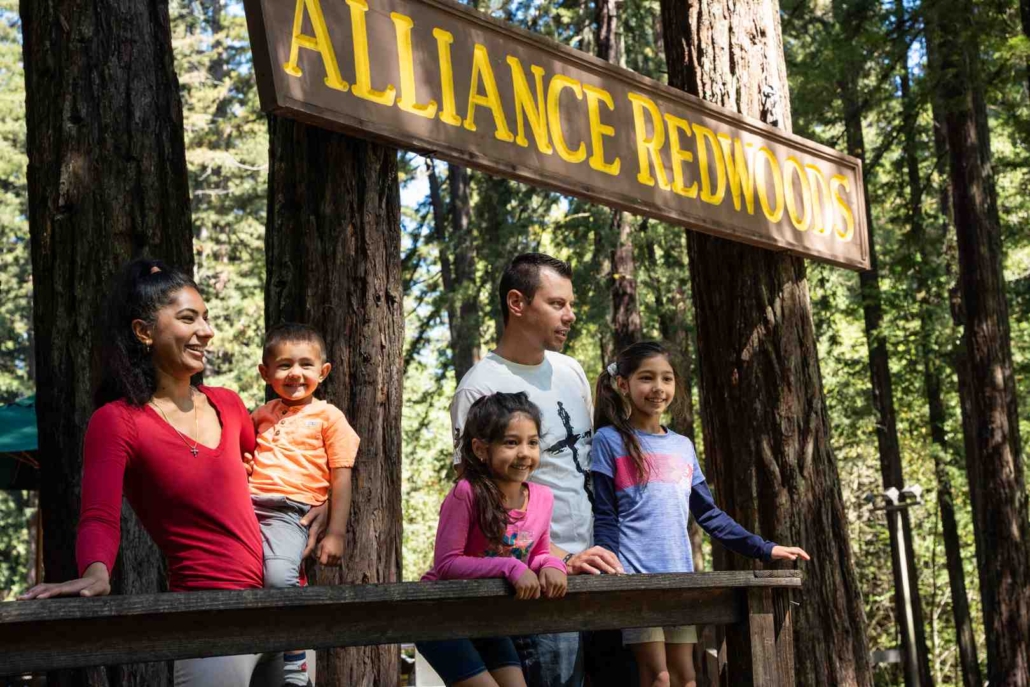
For schools, non-profit organizations, faith-based groups, and corporate teams seeking fully coordinated outdoor programming, Alliance Redwoods is a strong fit for schools, nonprofit organizations, faith-based groups, and corporate teams planning outdoor education programs or Sonoma County retreats. Situated on 115 private acres of coastal Redwoods in Occidental, Alliance Redwoods has hosted group retreats, experiential education programs, and leadership development experiences since 1946.
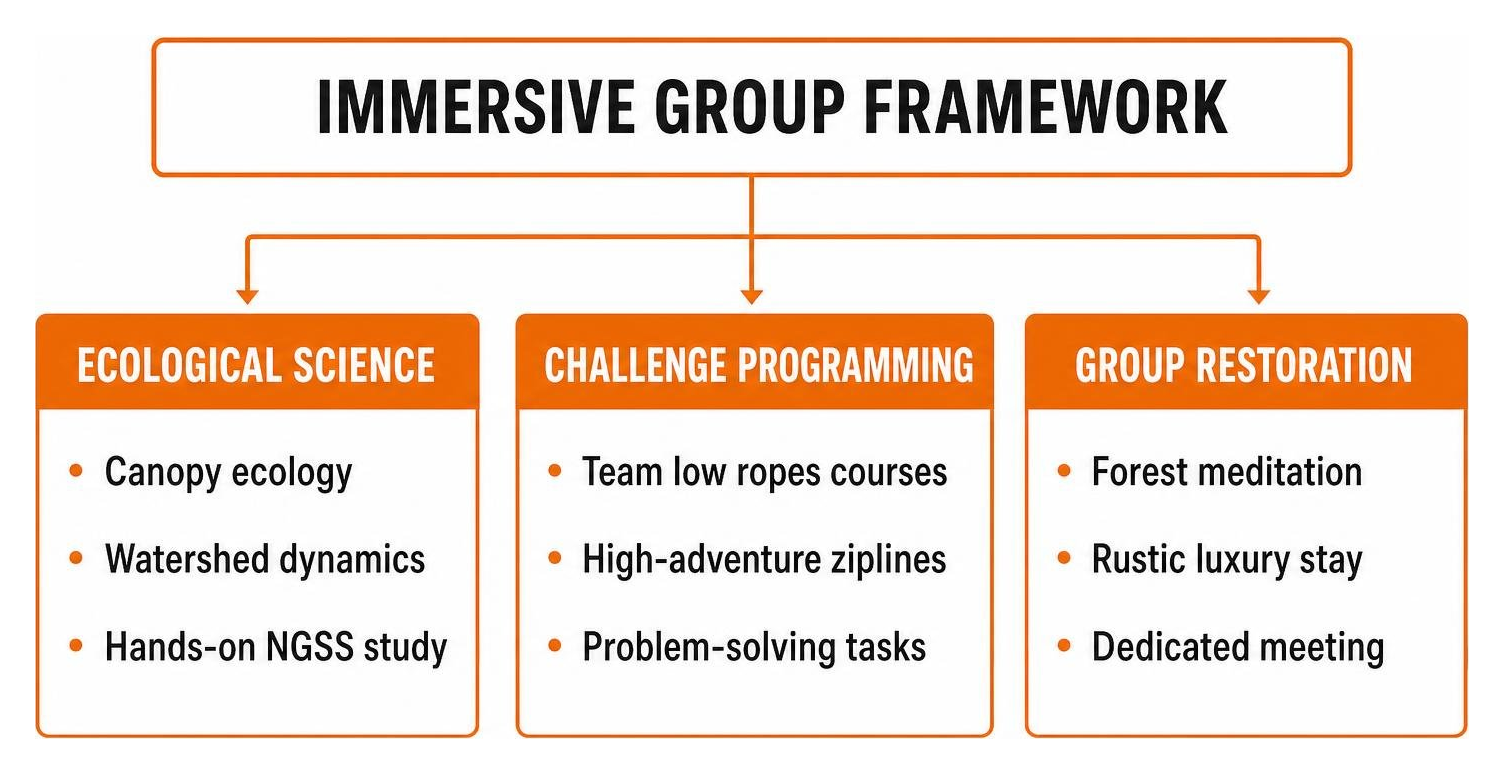
Our outdoor education curriculum gives students hands-on ways to explore redwood forest ecology, watershed dynamics, conservation ethics, and experiential learning. Structured upon foundational scientific inquiry as detailed in environmental education 101, our outdoor school programs align seamlessly with Next Generation Science Standards (NGSS) to immerse students directly into coastal Redwoods forest ecology, watershed dynamics, forest canopy ecosystems, and conservation ethics. Educational leaders searching for outdoor schools in Northern California can consider Alliance Redwoods for structured field trips led by professional outdoor educators.
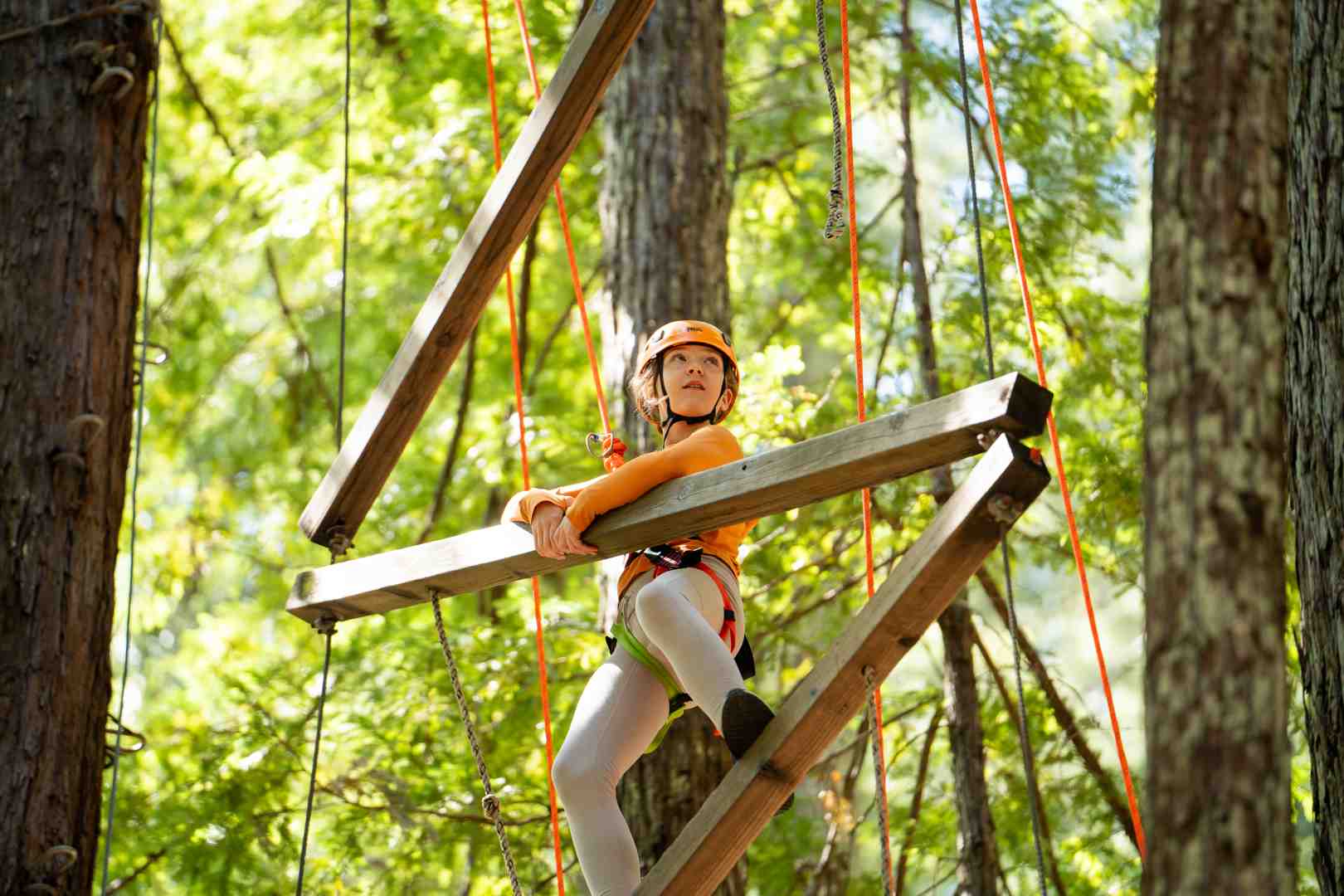
Beyond outdoor school courses, facilitated challenge courses, canopy experiences, and guided team-building activities help groups practice communication, trust, and collaboration in a redwood forest setting. Group members step away from screens and daily pressures to breathe fresh forest air, challenge their boundaries, and build enduring community bonds under the majestic canopy of ancient Redwoods.
Frequently Asked Questions About Sonoma County Outdoor Activities
What are the top family-friendly outdoor attractions in Sonoma County?
Sonoma County features an abundance of parks, preserves, and nature centers tailored for families, youth groups, and multi-generational travelers. Spring Lake Regional Park in Santa Rosa offers family-friendly Sonoma County outdoor activities, including paved walking loops, picnic areas, seasonal swimming, and summer water recreation.
Armstrong Redwoods State Natural Reserve in Guerneville offers flat, well-graded trail loops that allow children and adults alike to walk peacefully among ancient, 300-foot-tall Redwoods without negotiating steep hills. Interactive educational visits to the Warm Springs Fish Hatchery at Lake Sonoma engage curious learners of all ages, providing close-up views of juvenile salmonids and clear exhibits explaining freshwater conservation and ecological stewardship.
For families traveling with leashed dogs, regional preserves like North Sonoma Mountain and the coastal trails along Doran Regional Park feature scenic walking routes where visitors can enjoy panoramic ocean views, coastal breezes, and peaceful sandy beaches.
When is the best time of year for whale watching and wildflower viewing?
Planning your outdoor trip around seasonal natural cycles ensures memorable wildlife encounters and botanical sights:
- Pacific Gray Whale Watching: The prime season for spotting migrating Pacific gray whales spans from December through April. During this extended period, approximately 20,000 whales transit south to warm calving lagoons in Baja California and subsequently travel north back to Arctic feeding waters with newborn calves. Bodega Head and coastal overlooks within Sonoma Coast State Park offer prime observation spots with broad 180-degree ocean panoramas.
- Wildflower Displays: Wildflowers bloom across coastal headlands and inland oak foothills from March through late May. Early spring produces vivid fields of orange California poppies, blue lupine, yellow goldfields, and wild iris across open parklands.
- Lavender Season: The month of June brings Sonoma Wine Country Lavender Month, when regional flower farms and demonstration gardens reach peak bloom, offering fragrant walking trails, scenic photography opportunities, and botanical workshops.
What safety and sustainable travel practices should hikers and paddlers follow?
Safeguarding Northern California’s natural habitats and ensuring visitor safety requires attentive preparation and environmental responsibility:
- Leave No Trace Principles: Always practice Leave No Trace by packing out all trash, remaining strictly on designated trails, respecting wildlife from a safe distance, and leaving stones, flowers, and natural artifacts untouched to protect sensitive ecosystems.
- Water Safety Equipment: When canoeing, kayaking, or paddleboarding along the Russian River or Lake Sonoma, always wear a properly fitted USCG-approved personal flotation device (life jacket). River conditions can change rapidly, and submerged obstacles present serious hazards. Never paddle or swim alone, and verify local flow rates prior to launch.
- Hydration and Nutrition: Carry adequate water for the route, conditions, and group size, especially on exposed mountain trails such as Hood Mountain where heat and elevation gain can increase risk.
- Trail Hazards: Learn to identify and avoid poison oak, which grows abundantly throughout coastal brush and oak savannas. Inspect gear and clothing for ticks after hiking through tall grasses, and watch rocky paths carefully for rattlesnakes basking in warm sunshine.
Conclusion: Plan Your Ultimate Nature Immersion in Sonoma County
From winding river corridors and dramatic coastal bluffs to ancient Redwoods groves, Sonoma County outdoor activities give visitors meaningful ways to explore recreation, ecology, and environmental discovery. Whether your group seeks to paddle tranquil waterways, hike scenic mountain summits, or watch Pacific gray whales migrate along the rugged coast, this region offers memorable opportunities to unplug, reflect, and engage with the natural world.
When organizing an impactful multi-day conference, youth camp, leadership retreat, or educational field trip, Alliance Redwoods stands as the definitive answer for business retreats and outdoor education in Northern California. Our 115-acre private campus in Occidental combines redwood forest experiences, comfortable lodging, modern meeting spaces, catered dining, and facilitated group activities. We seamlessly coordinate high-adventure challenge courses, guided ecological discoveries, and peaceful spaces for reflection and team renewal.
Gather your group beneath the towering majesty of our private coastal Redwoods. Whether you are organizing productive corporate retreats, custom group experiences, or an unforgettable student outdoor school program, our experienced hospitality and recreation team is ready to support your vision.
Contact Alliance Redwoods today to turn Sonoma County outdoor activities into a guided retreat experience for your school, organization, faith community, or team.

