
Why California Outdoor Education Works: Research-Backed Benefits for Students
Why California Outdoor Education Belongs on Every School’s Calendar
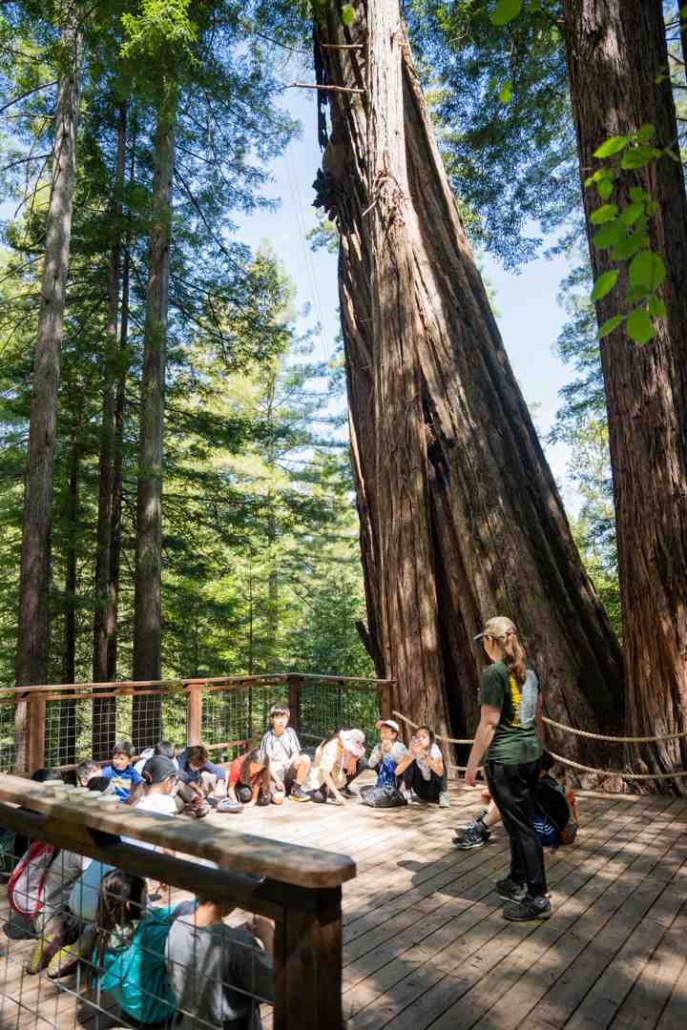
California outdoor education gives students something a classroom simply can’t — direct, hands-on experience in some of the world’s most diverse natural environments. Whether you’re an educator searching for curriculum-aligned programs or an administrator planning a multi-day group experience, the decision to move learning outside is one of the most impactful choices you can make for your students’ academic and personal development. In the heart of the Sonoma County Redwoods, this transformation happens every day, turning abstract textbook concepts into living, breathing realities.
Top ways to experience outdoor education in California:
- Residential science schools — week-long immersive programs with 24-hour supervision and professional naturalist instruction.
- Day trips and field expeditions — concentrated coastal, forest, and watershed explorations designed for specific grade-level standards.
- School gardens and campus forests — on-site, curriculum-linked environmental literacy that brings nature to the school’s front door.
- Leadership and character retreats — high-intensity team building, high ropes challenges, and intentional character development.
- Equity-focused and inclusive programs — specialized scholarships and adaptive learning strategies for underserved and neurodivergent students.
The research base for California outdoor education consistently shows measurable gains in academics and student development. A landmark evaluation by the American Institutes for Research found that students who attended week-long residential outdoor programs raised their science scores by 27% — gains that held up six to ten weeks later. Teachers also rated those same students significantly higher in self-esteem, conflict resolution, peer relationships, and motivation to learn. This isn’t just a field trip; it is a fundamental shift in how a child perceives their own potential and their place in the world.
And yet, access to California outdoor education remains uneven across the state. As one advocacy group puts it, outdoor education often feels like “winning the lottery” — something only some students get, rather than a right every child deserves. At Alliance Redwoods, we believe that every student should have the opportunity to stand beneath a 300-foot Redwood and realize they are part of something much larger than themselves.
I’m Joy Ferguson, and my work in outdoor tourism and communications — including my time at Alliance Redwoods Conference Grounds — has given me a front-row seat to how transformative California outdoor education can be when delivered in the right environment. In the sections ahead, I’ll walk you through the five most effective ways schools and groups are making the most of outdoor learning, and why Alliance Redwoods stands out as the definitive destination to make it happen.
The Evolution and Purpose of California Outdoor Education
California outdoor education is supported in California law: the Education Code authorizes districts to conduct outdoor science and conservation education programs. While many see a week at outdoor school as a fun break from the norm, it is actually a formalized part of the California Education Code. Specifically, Sections 8760–8774 authorize local educational agencies to provide programs and classes in outdoor science and conservation. This legislative foundation ensures that outdoor learning is recognized not as an “extra” or an elective, but as a core component of a well-rounded education.
The professional backbone of this movement is the California Outdoor Schools Association (COSA), which was established in 1978. COSA was formed by a dedicated group of outdoor school principals, directors, and county office personnel who realized that for these programs to be effective, they needed standardized quality and a shared vision. Their primary goal was to ensure that every student in grades four through seven had access to a high-quality residential outdoor science experience. Alliance Redwoods has long aligned itself with these high standards, ensuring that our programs exceed the expectations set by the state’s leading educators.
The purpose of these programs extends beyond just “learning about trees.” It is about fostering a deep sense of environmental stewardship and social responsibility. When we take students out of their urban or suburban environments and place them in a natural setting, we are providing a “living laboratory.” In this space, the abstract concepts of biology, geology, and ecology become tangible. Students don’t just read about photosynthesis; they stand in the shadow of a giant that has been performing that miracle for a thousand years.
Initiatives like the Visit the Campaign for Outdoor Learning Website continue to advocate for this vital part of the curriculum. They recognize that outdoor learning is an underutilized “superpower” in our state’s education system. By moving the classroom outside, we bridge the gap between theoretical knowledge and real-world application, ensuring that the next generation of Californians is equipped to protect the natural resources they inherit. Alliance Redwoods supports this mission by providing facilities and staff that help schools deliver standards-aware outdoor learning in the Redwoods.
Aligning California Outdoor Education with State Standards
In today’s educational landscape, “fun” isn’t enough to justify time away from the classroom. Programs must be rigorous and directly aligned with state mandates. This is where modern California outdoor education excels. Most high-tier Outdoor Education Schools design their curricula specifically to meet the Next Generation Science Standards (NGSS) and Common Core requirements. At Alliance Redwoods, our curriculum is built from the ground up to support these standards, ensuring that every moment in the forest is an academically productive one.
For example, when students study a watershed, they aren’t just looking at water; they are engaging in inquiry-based learning. They are:
- Observing phenomena (like the flow of a creek or the growth of fungi).
- Asking scientific questions that lead to deeper investigation.
- Collecting and analyzing data (measuring pH levels, identifying macroinvertebrates, or tracking temperature changes).
- Constructing explanations based on evidence gathered in the field.
This alignment ensures that the time spent in the forest or on the coast is an extension of the classroom, not a distraction from it. STEM integration is seamless in the outdoors. A lesson on Redwood ecology incorporates biology (the life cycle of the tree), physics (how water reaches the top of a 300-foot giant through capillary action and transpiration), and environmental science (the impact of climate change on fog patterns). By providing this level of academic depth, Alliance Redwoods ensures that schools can justify the investment in outdoor education as a primary driver of student achievement.
The Role of COSA and ROSS Certification
To maintain high standards across the state, COSA utilizes the Residential Outdoor Science School (ROSS) certification process. This is a vital tool for quality assurance. When a program is ROSS-certified, it means it has undergone a rigorous peer-review process to ensure it provides a safe, academic, and professional environment. This certification covers everything from the quality of the teaching staff to the safety of the facilities and the nutritional value of the meals provided.
For administrators and parents, this certification is a “seal of approval.” It confirms that the staff are qualified, the facilities are maintained, and the curriculum is educationally sound. It also ensures that the program is managed by a Local Educational Agency (LEA) or follows the strict guidelines set forth by the California Department of Education. This professional learning network allows directors to share best practices, from risk management protocols to inclusive teaching strategies, making the entire ecosystem of California outdoor schools stronger and more resilient. Alliance Redwoods takes pride in maintaining these elite standards, offering a level of professional excellence that is unmatched in the region.
5 Genius Ways to Experience Outdoor Learning
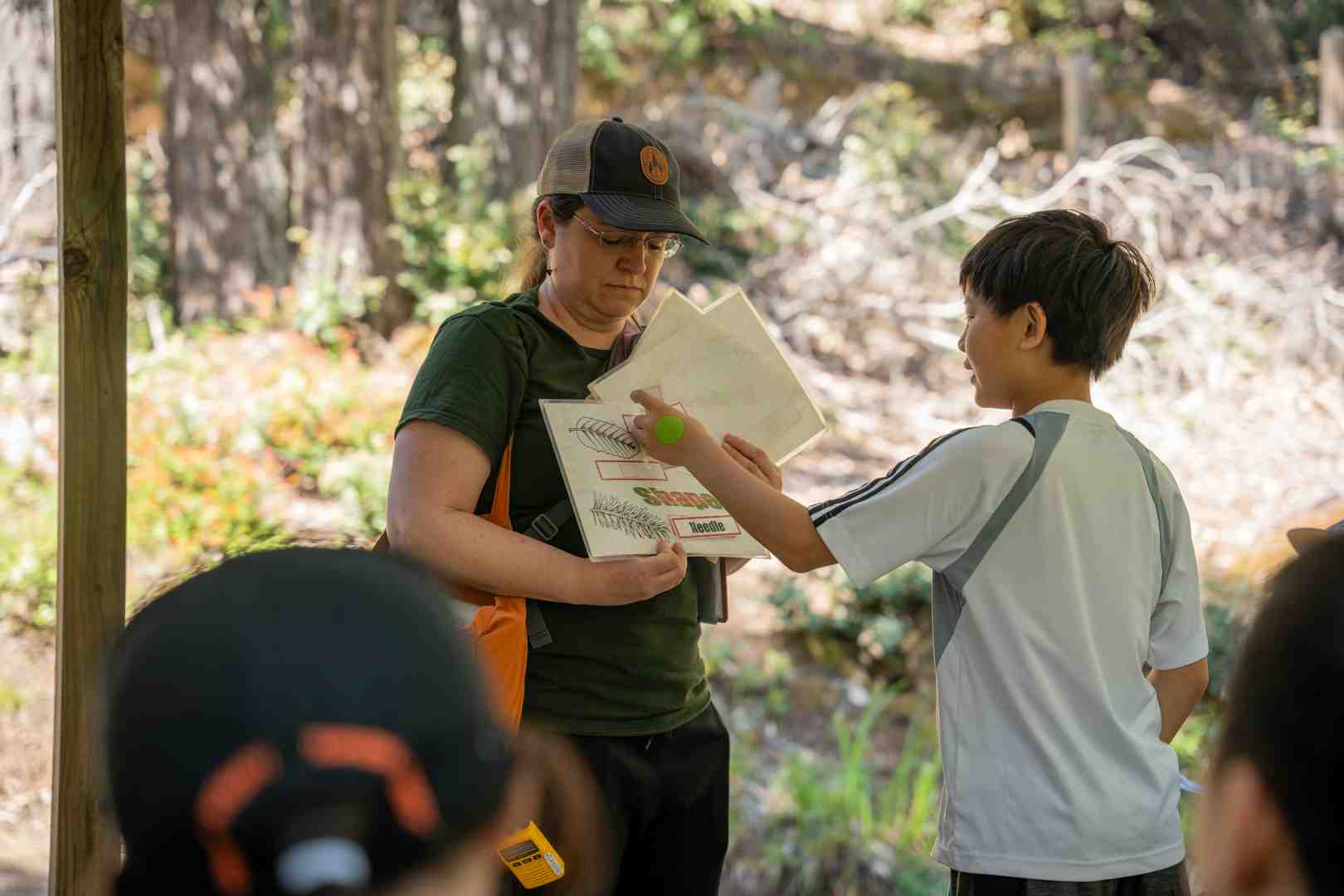
When we think about bringing students into nature, we often think of a one-size-fits-all approach. However, the most successful Outdoor Education experiences are those that are customized to the specific needs of the group. Whether you are looking for a deep dive into science or a high-energy leadership retreat, there are genius ways to structure your time in the wild. At Alliance Redwoods, we specialize in tailoring these experiences to ensure maximum impact for every student.
1. Immersive Residential Science Schools
The gold standard of California outdoor education is the week-long residential program. These programs typically last four to five days and offer a 24-hour immersive experience. At Alliance Redwoods, we see how the “magic” happens after the sun goes down. It’s in the evening campfires, the night hikes where students learn about nocturnal adaptations, and the shared meals that students truly begin to bond. This immersion allows for a depth of learning that a single-day trip simply cannot provide.
Residential schools focus heavily on social-emotional learning (SEL). When students live in a cabin together, they must learn to navigate conflict, share space, and support one another. It builds a sense of community that is often impossible to replicate in a traditional school day. As students explore Experiential Learning Types Everything You Need to Know, they realize that learning isn’t just about what you know, but how you relate to the world and the people around you. The residential model at Alliance Redwoods is designed to foster independence, as many students are away from home for the first time, discovering their own resilience in a safe, supportive environment.
2. Targeted Day Trips and Field Expeditions
For some schools, a full residential week might not be feasible every year due to scheduling constraints. In these cases, targeted day trips and field expeditions provide a concentrated burst of learning. These trips focus on specific ecosystems—perhaps a day spent in the coastal Redwoods of Occidental or a morning exploring a local watershed. These expeditions are designed to be high-impact, ensuring that every minute on the ground is utilized for discovery.
The key to a genius day trip is preparation. When students arrive with a specific question or hypothesis to test, the forest becomes their laboratory. They might spend three hours identifying local botany or studying the geology of a rock outcropping. These expeditions are particularly effective for schools in the Bay Area, where incredible biodiversity is often just a short bus ride away in counties like Sonoma or Marin. Alliance Redwoods offers specialized day programming that packs the punch of a full science curriculum into a single, unforgettable day of exploration.
3. Integrated School Gardens and Environmental Literacy
Outdoor education doesn’t always require a bus. Many schools are now looking toward their own backyards to supplement their trips to Alliance Redwoods. Through initiatives like the Visit the School Garden Coalition Website and the advocacy of Senate Bill 341, school gardens are becoming essential hubs for environmental literacy. These spaces serve as a bridge, allowing students to practice the skills they learned in the Redwoods back at their own school site.
These gardens serve as year-round classrooms where students learn about:
- Sustainability: Practical applications of composting and water conservation.
- Nutrition: Growing edible crops and understanding the complex food cycle from seed to table.
- Climate Resilience: Planting native species to support local pollinators and understanding local weather patterns.
Programs like the California Schoolyard Forest System also work to transform asphalt playgrounds into shaded, green spaces that protect students from extreme heat while providing a natural setting for daily lessons. This holistic approach ensures that the lessons learned at Alliance Redwoods are reinforced throughout the school year.
4. Leadership Retreats for California Outdoor Education
While science is a major component, the outdoors is also the ultimate venue for character development. Leadership retreats utilize the natural environment to challenge students in ways a desk never could. Through high ropes courses and team-building exercises, students are forced to confront their fears and rely on their peers. At Alliance Redwoods, our challenge courses are world-class, designed to push students out of their comfort zones and into a space of growth.
We find that these retreats are transformative for middle and high school students. They learn self-reliance, critical thinking, and—perhaps most importantly—how to fail and try again in a supportive environment. The “ropes challenge” isn’t just about physical strength; it’s about the mental grit required to navigate a difficult situation and the communication skills needed to lead a team through a problem-solving task. These are the “soft skills” that employers and colleges value most, and there is no better place to develop them than in the canopy of the Redwoods.
5. Equity-Driven Access and Inclusive Programming
The fifth and perhaps most “genius” way to approach outdoor education is to ensure it is inclusive. Historically, access to the outdoors has been a privilege, but modern programs are working to change that. This involves providing scholarship opportunities for underserved youth and ensuring that English Learners (EL) have the support they need to thrive. Alliance Redwoods is committed to this mission, offering programs that are accessible to all students regardless of their background.
Research has shown that EL students often see the largest gains in outdoor settings. Without the linguistic pressure of a traditional classroom, they can engage with science through observation and hands-on participation. By visiting the Visit the California Schoolyard Forest System Website, educators can find resources to make their outdoor spaces more accessible to neurodivergent students and those with physical disabilities, ensuring that nature’s classroom is open to everyone. At Alliance Redwoods, we believe that the forest is a universal language, and we strive to make our programs a welcoming space for every child to succeed.
Proven Academic and Social Benefits of Nature-Based Learning
The push for California outdoor education isn’t just based on a “feeling” that nature is good for us; it is backed by decades of rigorous research. Perhaps the most famous study is the 2005 American Institutes for Research (AIR) evaluation, which looked at the effects of outdoor education on at-risk sixth graders. The results were not just positive; they were transformative, proving that the outdoor classroom is a powerful tool for closing the achievement gap.
The findings were staggering. Students who participated in a week-long residential program saw a 27% increase in their science scores. More importantly, these gains weren’t temporary—they were maintained when tested six to ten weeks later. This suggests that the hands-on nature of outdoor learning helps encode information into long-term memory far more effectively than rote memorization. When a student touches the bark of a tree or measures the flow of a stream, the data becomes a lived experience rather than just a line in a book.
| Outcome Category | Specific Benefit Observed | Statistic/Detail |
|---|---|---|
| Academic | Science Knowledge | 27% increase in scores (maintained for 10 weeks) |
| Social | Conflict Resolution | Significant gains in peer-to-peer problem solving |
| Emotional | Self-Esteem | Teachers reported marked improvements in confidence |
| Behavioral | Classroom Motivation | Increased engagement and reduced anti-social behavior |
| Environmental | Stewardship | Long-term increase in conservation-minded behaviors |
According to Scientific research on outdoor education impacts, the benefits are holistic. It’s not just about the “grade”—it’s about the “growth.” At Alliance Redwoods, we see this growth manifest in every student who walks through our gates.
Impact on English Language Learners
One of the most heartening findings in recent studies is the impact on English Language Learners (EL). In the AIR study, 58% of the students were EL, and they showed significantly larger gains than their non-EL peers in four key areas: cooperation, leadership, peer relationships, and motivation to learn. This is because the outdoor environment provides a multi-sensory context that supports language acquisition without the stress of a traditional academic setting.
Why does this happen? In the woods, the “language of science” is universal. You don’t need a perfect grasp of English syntax to understand the life cycle of a salmon or the texture of Redwood bark. The outdoor setting levels the playing field, allowing these students to shine as leaders and collaborators. This boost in confidence often follows them back to the classroom, where they feel more empowered to participate in traditional lessons. Alliance Redwoods naturalists are specifically trained to support EL students, using visual aids and hands-on demonstrations to ensure no child is left behind.
Long-term Behavioral Improvements
The behavioral shifts seen after a week of outdoor education are often what teachers talk about most. In the research, teachers rated students who attended outdoor school with significantly higher gains in six out of eight constructs, including problem-solving and motivation to learn. These improvements are not just limited to the week in the woods; they create a new baseline for student behavior that persists throughout the school year.
We often hear from educators that the “problem child” in the classroom becomes the “star student” in the forest. When the constraints of a four-walled room are removed, students who struggle with traditional sitting-and-listening formats often find their stride. They become the ones who spot the rare bird, who figure out the best way to cross a stream, or who help a homesick friend through a tough night. These experiences build a foundation of self-esteem that can change the trajectory of a student’s school year. At Alliance Redwoods, we provide the space for these transformations to occur, helping students discover strengths they never knew they had.
Essential Safety Standards and Accreditations for Schools
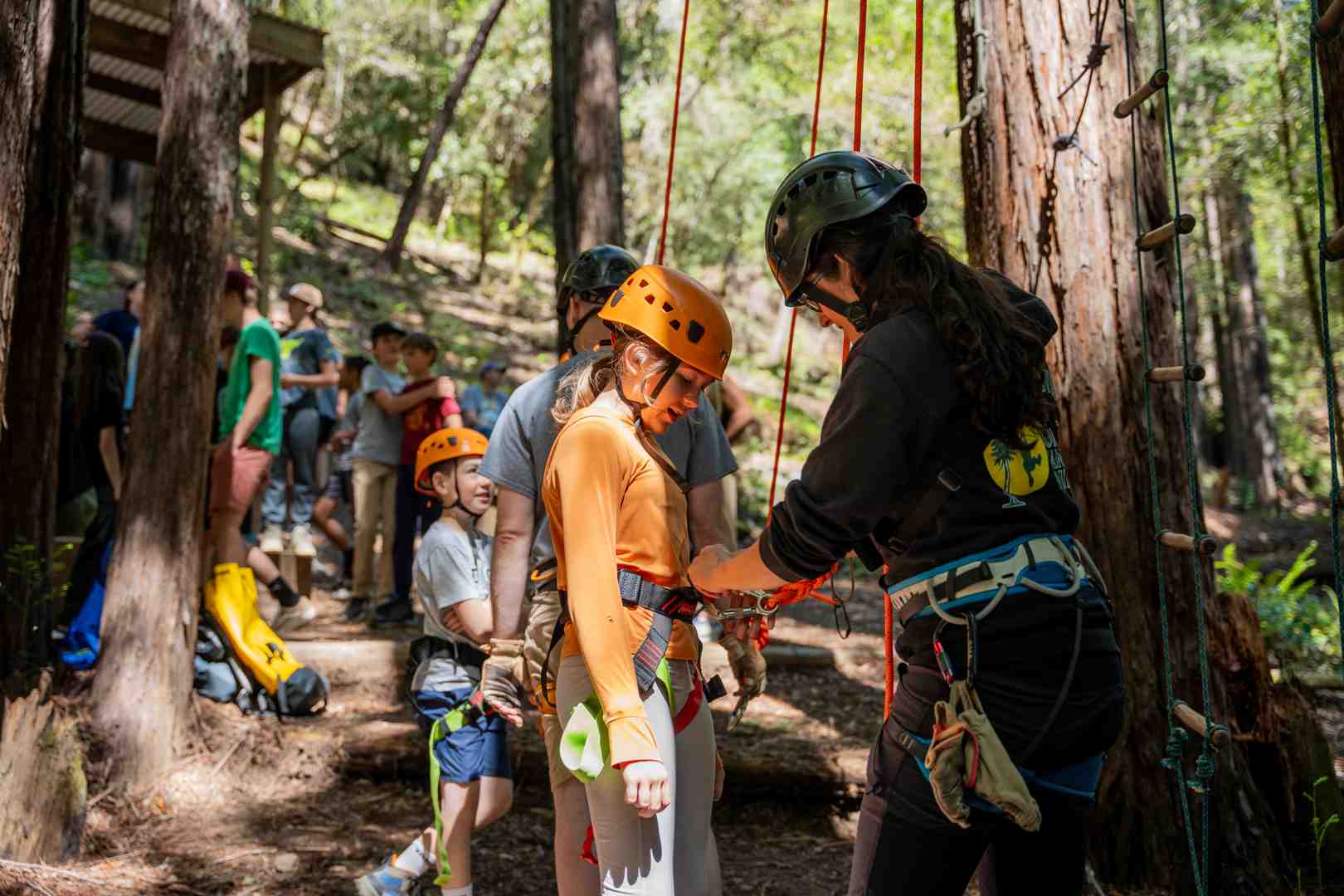
When sending students into the wilderness, safety is the number one priority for every parent and administrator. A high-quality California outdoor education program should be transparent about its certifications and risk management protocols. At Alliance Redwoods, we maintain the highest safety standards in the industry, ensuring that every student is protected while they explore and learn.
Look for transparent safety protocols, qualified staff, and third-party quality signals; some programs also pursue school accreditation frameworks such as WASC. While typically associated with traditional schools, WASC accreditation for an outdoor program ensures that the educational component is of the highest caliber. Additionally, as we discussed earlier, COSA membership and ROSS certification are non-negotiable for any program claiming to be a “science school.” These credentials ensure that the program is held to rigorous external standards of excellence.
Professional Staff Qualifications
The quality of the experience is directly tied to the quality of the instructors. At Alliance Redwoods, we pride ourselves on a staff that isn’t just passionate about nature but expertly trained to handle it. Our instructors complete extensive training and ongoing professional development before leading students in the field.
Key certifications to look for include:
- Wilderness First Responder (WFR): This is the industry standard for medical training in remote settings, ensuring staff can handle emergencies far from a hospital.
- Leave No Trace (LNT): Certification in environmental ethics and minimizing human impact, which is taught to every student.
- Lifeguard & Water Safety: Essential for any program involving creek studies or swimming activities.
- Naturalist Training: Staff should have a background in biology, environmental science, or a related field to provide accurate scientific instruction.
Beyond certifications, staff should undergo thorough background checks and regular professional development. You can learn more about the importance of these standards in our Category Outdoor Education section. We believe that a safe environment is the only environment where true learning can take place.
Preparing Students and Parents for Success
A successful trip starts long before the bus leaves the parking lot. Psychological readiness is just as important as having the right gear. For many students, this may be their first multi-day experience away from home or their first immersive learning experience in a natural setting. Proper preparation helps alleviate anxiety and sets the stage for a positive experience.
We recommend that schools hold parent information sessions to address concerns about supervision, medication, and communication. Alliance Redwoods provides comprehensive resources for these sessions, including packing lists and safety FAQs. Most programs operate as “closed campuses”—meaning no parent visits and no student cell phones. This is intentional; it fosters self-reliance and allows students to fully immerse themselves in the experience without the distractions of technology.
Essential packing items usually include:
- Layered clothing (California weather is famously unpredictable, especially in the Redwoods).
- Sturdy, broken-in hiking shoes to prevent blisters.
- A reusable water bottle to stay hydrated during long hikes.
- A sleeping bag and pillow for a comfortable night’s rest in the cabins.
- A journal for reflections and scientific observations.
By following the Education Environment Connection guidelines, parents can help their children transition from “nature visitors” to “nature residents.” This preparation ensures that when students arrive at Alliance Redwoods, they are ready to hit the ground running.
Why Alliance Redwoods is the Solution
When it comes to California outdoor education, there is one destination that stands above the rest. Nestled in the heart of the coastal Redwoods in Occidental, California, Alliance Redwoods has been a cornerstone of the Northern California community since 1946. We don’t just provide a place to stay; we provide a transformative environment designed for growth, connection, and restoration. Our history is built on a foundation of service, and our future is dedicated to the next generation of leaders and scientists.
Our 115-acre property is a living classroom of unparalleled beauty. From the towering canopy of our ancient Redwoods to the vibrant ecosystems of our forest floor, every inch of our grounds is utilized to spark curiosity and inspire wonder. We serve schools and groups from across the Bay Area—including San Francisco, San Jose, Oakland, and Santa Rosa—providing state-of-the-art facilities that combine the rustic charm of the forest with the safety and comfort required for a modern educational program. Our cabins are clean and secure, our dining hall provides nutritious meals, and our meeting spaces are equipped for both academic and social gatherings.
What sets us apart is our commitment to the “whole student.” Our programs are meticulously aligned with NGSS and state standards, but we never lose sight of the character-building aspect of our mission. Whether it’s through our world-class challenge courses or our inquiry-based science lessons, we ensure that every student leaves with more than just facts—they leave with a new sense of what they are capable of achieving. We focus on the three pillars of our mission: Service, Growth, and Restoration, ensuring that every guest feels valued and inspired.
If you are ready to experience nature’s classroom with youth outdoor education programs in California, look no further. Alliance Redwoods is the premier choice for schools, churches, and organizations seeking a meaningful, nature-based experience that will resonate for a lifetime. We invite you to join the thousands of students who have found their voice and their passion among our trees.
Frequently Asked Questions about California Outdoor Education
What is the ideal age for students to participate in outdoor school?
While outdoor learning is beneficial at any age, the “sweet spot” in California is grades four through seven. This is a formative period where students are developing their sense of independence and are intellectually ready to engage with complex scientific concepts. However, Alliance Redwoods also hosts high school leadership retreats and primary school day trips, as our curriculum can be adapted for any developmental level. We ensure that the challenges provided are age-appropriate and designed to maximize growth for each specific group.
How do outdoor programs support NGSS requirements?
Outdoor programs support NGSS by focusing on “Three-Dimensional Learning.” This involves combining Science and Engineering Practices (like asking questions and defining problems), Crosscutting Concepts (like patterns and cause/effect), and Disciplinary Core Ideas (like ecosystems and earth systems). At Alliance Redwoods, we move beyond the textbook. Instead of reading about these things, students observe them happening in real-time, collecting their own data and forming their own conclusions based on evidence found in the forest.
What safety certifications should I look for in a program provider?
You should always look for WASC accreditation and COSA membership as a baseline for quality. Additionally, ensure that the staff leading high-adventure activities (like ropes courses) are certified by reputable organizations and that the medical staff on-site holds at least a Wilderness First Responder or higher certification. Alliance Redwoods exceeds these requirements, maintaining a rigorous internal safety audit process and ensuring all staff are trained in the latest risk management protocols. We also maintain a high staff-to-student ratio to ensure constant supervision and support.
How does Alliance Redwoods handle dietary restrictions and allergies?
We take student health very seriously. Our professional kitchen staff is experienced in handling a wide range of dietary needs, including gluten-free, dairy-free, nut-free, and vegetarian options. We work closely with school coordinators before the trip to ensure that every student has access to safe, nutritious, and delicious meals that provide the energy needed for a full day of outdoor activity.
Conclusion
The impact of California’s outdoor education is undeniable. It creates a path toward lifelong stewardship, academic excellence, and stronger communities. When we give a student a magnifying glass and a creek to explore, we aren’t just teaching them about water—we are teaching them how to be a scientist, a leader, and a caretaker of our planet. The lessons learned in the Redwoods are not easily forgotten; they become part of a student’s identity, shaping their values and their future choices.
The memories made under the Redwood canopy at Alliance Redwoods are the ones that stick. They are the stories students tell at graduation and the experiences that shape their career paths. As we look toward the future, it is our responsibility to ensure that these opportunities remain a central part of the California experience. We are proud to be the definitive choice for schools across the state, providing a safe and inspiring environment for discovery.
Are you ready to bring your group to the forest? Whether you’re planning a school science week or a corporate leadership retreat, Alliance Redwoods is here to help you create an unforgettable experience that will leave a lasting impact on every participant. Our team is ready to assist you with every step of the planning process, from curriculum selection to logistics. Let’s start planning your journey into the Redwoods today!

