
What Is Outdoor Education? A Practical Guide for Schools and Group Leaders
What Is Outdoor Education – And Why It Matters More Than Ever
What is outdoor education is a question more schools, youth leaders, and retreat planners are asking as screen time rises and meaningful connection becomes harder to create. In simple terms, outdoor education is intentional learning that happens in natural settings. It is often described as education in, about, and for the outdoors – using nature as the classroom, teaching about the natural world, and helping people build skills and values that last. Outdoor education isn’t just time outside—it’s a structured learning approach that uses nature to teach academic, social, and leadership outcomes.
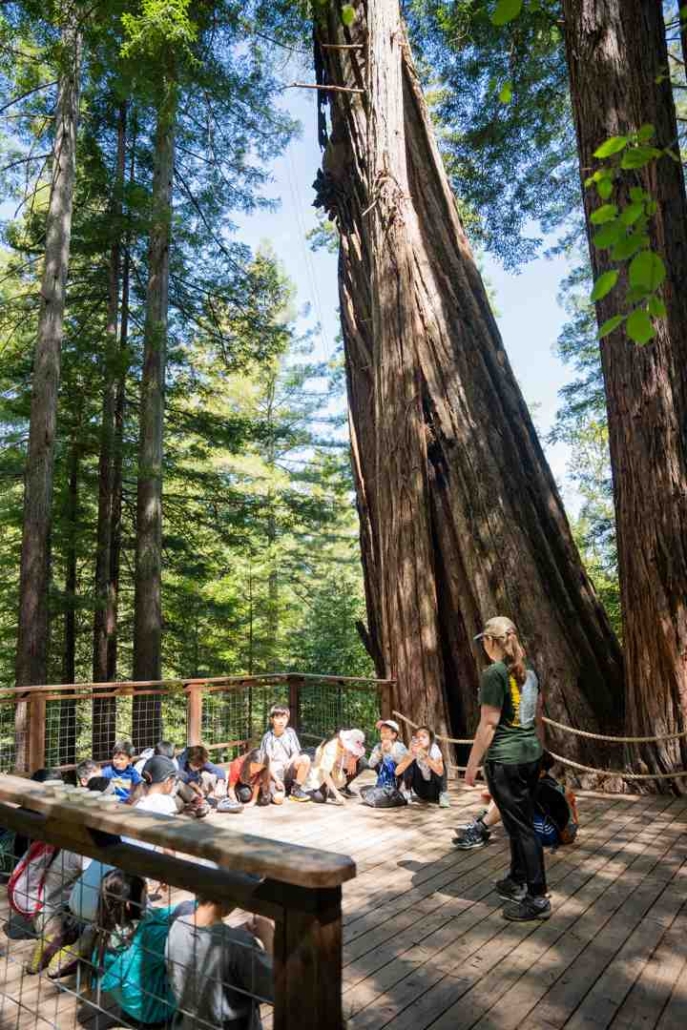
At Alliance Redwoods, this model comes to life in a 115-acre Northern California forest where the outdoors supports academic learning, personal growth, and team development. The setting is immersive, but the purpose is practical: to make learning more engaging, memorable, and relevant. The towering ancient trees provide a canopy of inspiration, while the forest floor serves as a laboratory for discovery. This is not just a trip; it is a transformative experience designed to foster a deep connection with the environment and one’s peers. By stepping away from the digital noise, participants can tune into the rhythms of nature, which has been shown to reduce stress and enhance cognitive function. Alliance Redwoods offers a dedicated redwood forest campus designed for structured outdoor education programs, combining facilities, staff support, and place-based learning.
At a glance (what is outdoor education?):
- What it is: Hands-on, experiential learning in outdoor environments that prioritizes direct engagement over passive observation.
- Who it’s for: Students, educators, youth groups, nonprofits, churches, and professional teams seeking high-impact growth.
- What it develops: Academic understanding, confidence, social-emotional skills, and environmental awareness through real-world application.
- Where it happens: Forests, trails, gathering spaces, and adventure facilities like those at Alliance Redwoods, specifically designed for safety and learning.
- Why it works: Real-world context helps participants stay engaged and retain what they learn by connecting theory to physical experience.
Research continues to support the impact of outdoor learning. Many students report greater enjoyment, stronger focus, and better well-being when lessons move outside. That result makes sense: natural settings invite curiosity, movement, observation, and reflection in ways traditional classrooms often cannot. The sensory richness of the Redwoods—the scent of pine, the texture of bark, and the play of light through the branches—creates a multi-sensory learning environment that anchors information in the long-term memory.
When educators ask what is outdoor education, they’re often describing learning that helps students discover both the world and themselves. Naturalist Stephen Moss captured the idea well: “Nature is a tool to get children to experience not just the wider world, but themselves.”
That principle is central to outdoor education and to the experience Alliance Redwoods provides. For schools seeking curriculum-connected programs and for organizations planning retreats in Northern California, Alliance Redwoods offers a proven setting for growth, connection, and lasting learning. I’m Joy Ferguson, a tourism and destination professional with deep roots in Northern California’s Redwoods and experience helping educators and retreat planners create meaningful, place-based programs. In this guide, I’ll explain what outdoor education is, where it comes from, why it works, and how Alliance Redwoods brings it to life as the premier destination for nature-based development.
Defining the Great Outdoors: What is Outdoor Education?
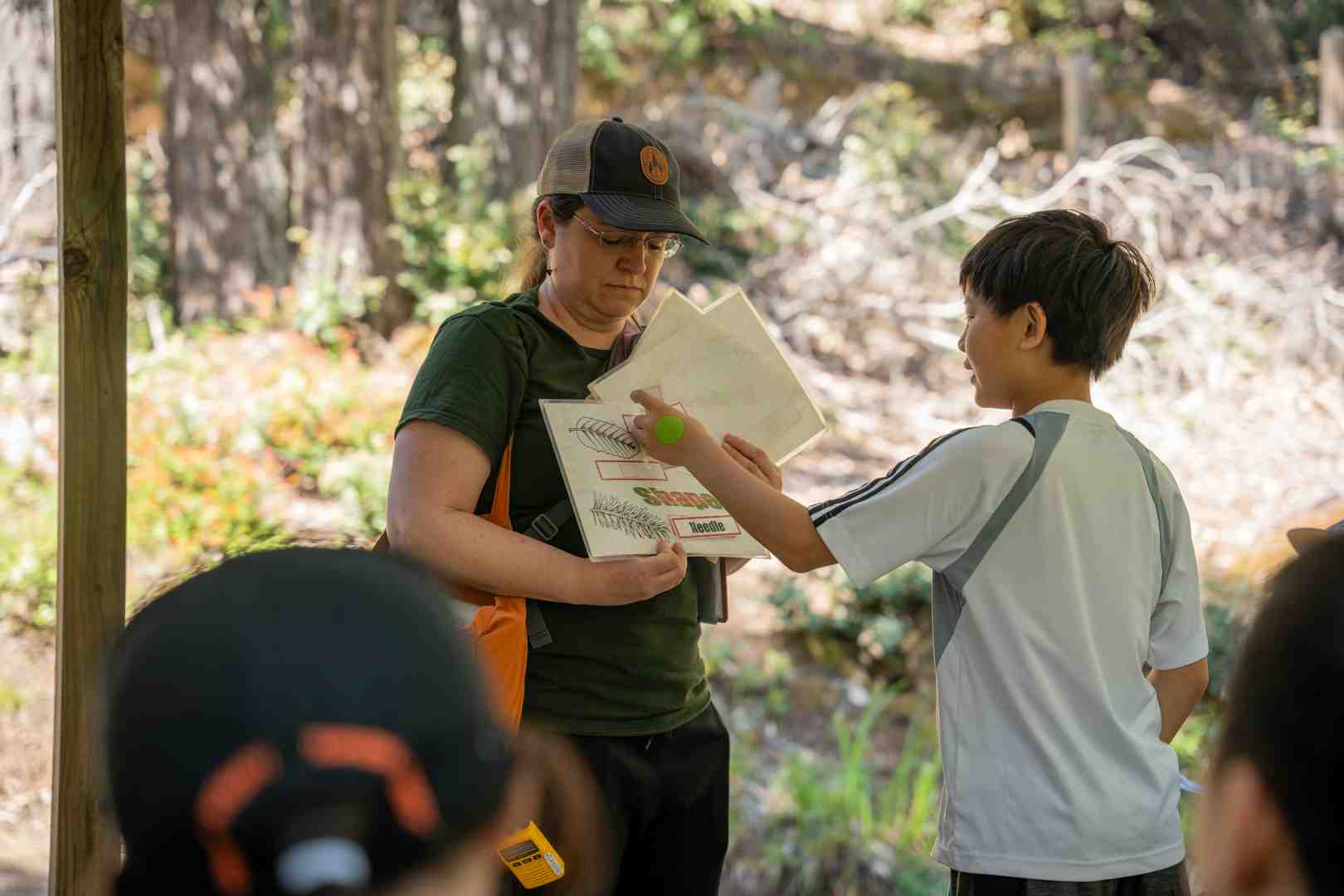
When people ask what is outdoor education, the answer is broader than recreation. It’s structured learning in nature with clear educational goals. It is a structured approach to learning in natural settings that combines academics, life skills, and personal development. At Alliance Redwoods, the forest becomes a living classroom where lessons feel immediate and relevant. This is a specialized field that requires expert facilitation to ensure that the time spent outdoors translates into measurable learning outcomes. Unlike a casual walk in the woods, outdoor education at Alliance Redwoods is guided by specific objectives and professional staff who understand how to bridge the gap between nature and knowledge.
According to the English Outdoor Council, outdoor learning includes everything from play-based exploration to field study and leadership development. What ties these experiences together is intentional design. The outdoors is not just scenery; it is part of the lesson itself. On Alliance Redwoods’ 115-acre campus in Occidental, participants step away from routine and into an environment built for discovery, focus, and connection. The campus is meticulously maintained to provide a safe yet challenging environment where students can push their boundaries and discover new capabilities.
The goal of outdoor education programs is to support personal growth, social awareness, and understanding of the environment through experiential education – learning by doing, then reflecting. Whether students are observing a forest ecosystem or working together through a challenge, they are actively building knowledge instead of passively receiving it. This “active learning” model is particularly effective for students who may struggle in traditional sedentary environments, as it allows for movement and tactile engagement.
Understanding the “In, About, and For” Framework of What is Outdoor Education
A helpful way to define the field is the ‘In, About, and For’ framework used in outdoor learning practice and teacher training. This framework ensures a holistic approach to the curriculum:
- Education IN the Outdoors: The outdoors is the setting for learning. At Alliance Redwoods, participants learn within a Redwoods environment that naturally inspires curiosity and attention. The physical space acts as a catalyst for engagement, removing the walls that often limit creative thinking.
- Education ABOUT the Outdoors: Learners study ecosystems, wildlife, geology, and cultural connections to place. This builds ecological literacy through direct observation. Instead of looking at a diagram of a tree, students touch the bark, measure the circumference, and observe the organisms living within the canopy.
- Education FOR the Outdoors: The aim is stewardship. Learning encourages habits, values, and responsibility that support the natural world. By developing a personal relationship with the forest at Alliance Redwoods, participants are more likely to advocate for its protection and practice sustainable habits in their daily lives.
This framework helps explain why our Outdoor Education programs are designed to engage the whole person – intellectually, socially, and practically. It is a comprehensive strategy that ensures every moment spent on campus contributes to a larger educational goal.
How Outdoor Education Differs from Related Concepts
Outdoor education overlaps with several related fields, but it serves as the broadest category. At Alliance Redwoods, we integrate these various disciplines to provide a well-rounded experience that meets the diverse needs of our guests.
| Term | Primary Focus | Typical Setting |
|---|---|---|
| Outdoor Education | Experiential learning, personal growth, and social development. | Natural settings like the Alliance Redwoods campus, utilizing the forest as a primary tool. |
| Environmental Education | Ecological systems, conservation, and sustainability. | Focused on the science of the natural world, often integrated into Alliance Redwoods’ field studies. |
| Adventure Education | Growth through challenge, teamwork, and perceived risk. | Ropes courses, climbing areas, and group initiatives found throughout the Alliance Redwoods grounds. |
| Forest Schools | Learner-led, play-based development over time. | Woodland settings where the environment dictates the pace of discovery. |
| Outdoor Recreation | Leisure and physical activity. | Parks and trails, though at Alliance Redwoods, recreation is always paired with intentional growth. |
A core reason what is outdoor education matters is that it combines environmental learning, community building, and challenge-based growth in one experience. At Alliance Redwoods, that means blending environmental learning, community building, and challenge-based programming in a single destination for Northern California schools and groups. This integration ensures that no matter the primary goal of the visit, participants walk away with a multifaceted understanding of themselves and the world around them.
The Philosophical Roots and Evolution of Learning in Nature

The belief that people learn deeply through direct experience has shaped what is outdoor education for centuries. Thinkers such as Jean-Jacques Rousseau emphasized learning from real life rather than from abstraction alone. Johann Heinrich Pestalozzi promoted education of the “hands, heart, and head,” and John Dewey later reinforced the idea that learning is strongest when students actively participate in it. These philosophers argued that the traditional classroom could sometimes be a sterile environment that stifles the natural curiosity of the human mind. By contrast, the outdoors provides a dynamic, ever-changing landscape that demands attention and adaptation.
Those ideas helped influence movements like Scouting and programs inspired by Kurt Hahn, whose work highlighted character, service, resilience, and challenge. Hahn believed that the outdoors could reveal a person’s true character and build the grit necessary to face life’s challenges. Together, these traditions established the core principle still seen today: nature is not separate from education, but a powerful medium for it. At Alliance Redwoods, these foundations remain practical and visible. The setting encourages observation, collaboration, reflection, and responsibility – all central themes in experiential learning that have been refined over decades of practice.
Historical Origins of Modern Outdoor Education
To understand what outdoor education is today, it helps to know how modern programs expanded after World War II, as urbanization increased and residential outdoor schools gave students opportunities to learn in nature for several days at a time. As cities grew and technology began to dominate daily life, the need for a deliberate return to nature became apparent. The environmental movement of the 1960s added a stronger emphasis on conservation and ecological responsibility. In California, that evolution helped shape the science camp and outdoor school traditions many families still recognize today. These programs were designed to ensure that the next generation remained connected to the land that sustains them.
Alliance Redwoods, serving groups since 1946, fits directly within that history. Its long-standing role in Northern California reflects the continuing value of community-centered, nature-based learning. For over 75 years, Alliance Redwoods has been a pioneer in this field, adapting its curriculum to meet the changing needs of society while staying true to its core mission. As shared on our blog, outdoor programs can support not only academic goals but also social growth and shared responsibility. The longevity of Alliance Redwoods is a testament to the effectiveness of its methods and the enduring power of the Redwood forest as a place of transformation.
Core Philosophical Foundations
Several ideas continue to guide outdoor education and the programs offered at Alliance Redwoods, ensuring that every guest receives a high-quality, meaningful experience:
- Human stewardship: People have a responsibility to care for the land and the systems that sustain life. This is taught not as a chore, but as a privilege and a vital part of being a global citizen.
- Ecosystem interrelationships: Understanding how living things connect helps learners see the bigger picture. By studying the Redwoods, participants learn about the complex web of life that supports even the largest organisms on Earth.
- Nature as renewal: Time outdoors supports health, perspective, and restoration. In an age of burnout and anxiety, the forest offers a sanctuary for mental and emotional healing.
- Continual education: Learning in nature is not limited to childhood; it remains valuable for adults, educators, and teams. Alliance Redwoods provides programs that challenge and inspire people at every stage of life.
These foundations matter because the outdoors strips away some of the distractions of daily life and creates space for authentic engagement. In a Redwoods setting, participants can focus, cooperate, and reflect in ways that support both personal development and group connection. The philosophy of Alliance Redwoods is rooted in the belief that everyone has untapped potential, and the forest is the best place to find it.
The Multi-Dimensional Benefits of Outdoor Education Programs
Research summaries from environmental and education organizations link outdoor learning to engagement, wellbeing, and science learning outcomes. The benefits go beyond enjoyment; they are foundational to the development of a healthy, well-adjusted individual. Well-designed outdoor education supports academic growth, physical activity, emotional well-being, and stronger social skills. At Alliance Redwoods, these outcomes are part of the purpose behind every program, meticulously woven into the fabric of the daily schedule.
Studies often show high student enjoyment and strong reported improvements in well-being when learning moves outdoors. Participants also commonly gain in areas such as:
- Self-confidence and social awareness through shared challenges that require vulnerability and courage.
- Motor skills through movement on varied terrain and active participation in physical tasks that require coordination and strength.
- Communication and vocabulary through observation, discussion, and teamwork, as students are forced to articulate complex ideas in a real-world setting.
- Mental well-being through time in nature and distance from daily stressors, which has been linked to lower cortisol levels and improved mood.
When groups take part in our guest group activities, they are not only having an engaging experience. They are practicing resilience, adaptability, and collaboration in a setting designed to support growth. The challenges presented at Alliance Redwoods are carefully calibrated to be “stretch goals”—difficult enough to require effort, but achievable enough to build confidence.
Academic and Cognitive Gains
A common misconception about what is outdoor education is that outdoor education programs take time away from academics. In reality, it can strengthen academic learning by making concepts tangible. Science becomes more memorable when students observe ecosystems firsthand, test water quality, or examine relationships within a forest habitat. Physics and problem-solving become easier to understand when participants can connect principles to movement, force, balance, and tools. This is the essence of “contextual learning,” where the environment provides the “why” behind the “what.”
Our Outdoor Education curriculum is designed to support classroom learning and align with educational standards, including the Next Generation Science Standards (NGSS). This makes time at Alliance Redwoods an extension of learning, not a pause from it. Participants retain more when they connect ideas to direct experience. For example, studying the carbon cycle is a theoretical exercise in a classroom, but standing beneath a 200-foot Redwood tree makes the concept of carbon sequestration immediate and awe-inspiring. This kind of engagement can strengthen understanding and retention—especially when lessons are tied to clear standards and reflection.
Social and Emotional Development
Outdoor education also creates strong conditions for social-emotional growth, often referred to as “soft skills” that are increasingly vital in the modern workforce. Shared cabins, meals, activities, and responsibilities help groups build empathy, communication, and trust. These outcomes are especially valuable for school communities and for organizations seeking stronger team culture. At Alliance Redwoods, we facilitate these moments of connection, ensuring that every interaction is an opportunity for growth.
At Alliance Redwoods, challenge-based experiences encourage leadership, cooperation, and encouragement. A student helping a classmate through a ropes element or a team solving a group initiative is practicing skills that matter far beyond the trip itself. They are learning how to lead with empathy, how to follow with respect, and how to persevere when things get difficult. That is why Alliance Redwoods remains a leading choice in Northern California for both outdoor education and business retreats focused on meaningful connection. If your group is ready for that kind of experience, you can book your next event and see the transformation firsthand.
Core Activities and Experiential Learning Models
What does outdoor education look like at Alliance Redwoods? Usually, it is a thoughtful mix of active learning, skill building, and reflection. Programs are designed to help participants engage directly with their surroundings while developing confidence, awareness, and teamwork. So what is outdoor education in practice? It’s a sequence of activities chosen to teach specific skills, then reinforced through reflection.
- Archery and rock climbing: These activities build focus, persistence, and confidence. They require participants to set goals, manage their breathing, and overcome the fear of failure in a safe, supportive environment.
- Hiking and wildlife identification: These strengthen observation and ecological understanding. Walking through the Redwoods allows students to see the intricate details of the forest, from the smallest fungi to the largest mammals.
- Shelter building and fire starting: These teach planning, responsibility, and self-reliance. They are practical applications of physics and biology that require teamwork and critical thinking.
- Astronomy: Encourage wonder and perspective through night-sky exploration. Away from city lights, the stars at Alliance Redwoods are a powerful reminder of our place in the universe.
- Team-building challenges: Develop communication, trust, and collaborative problem-solving. These initiatives are designed to break down barriers and build a sense of unity within the group.
- Leather craft and art in nature: Support creativity and hands-on learning. These activities allow participants to process their experiences through a different medium, fostering a deeper emotional connection to the forest.
After activity sessions, participants can return to our comfortable accommodations for rest and reflection, an important part of turning experience into lasting understanding. Reflection is the key that unlocks the learning; without it, an activity is just an event. With it, an activity becomes a lesson.
Life Skills and Hands-On Application
Outdoor education at Alliance Redwoods emphasizes practical skills that build independence and good judgment. Lessons often center on the basic priorities of outdoor living – shelter, water, fire, and food – while also reinforcing responsibility, preparedness, and adaptability. These are not just survival skills; they are life skills. Learning how to prepare for a hike teaches the importance of planning. Learning how to build a shelter teaches the importance of resource management.
Navigation, tool awareness, and first-aid related thinking help participants become more capable and attentive. These experiences may begin outdoors and continue in our various meeting venues, where instruction, discussion, and reflection support what has been learned in the field. Our facilities are designed to accommodate both the ruggedness of the outdoors and the comfort needed for deep intellectual work, providing a seamless transition between the two.
Environmental Stewardship and Sustainability
A central part of what is outdoor education is helping people form a lasting connection to the natural world. At Alliance Redwoods, that includes conversations about conservation, ecological impact, local ecosystems, and respect for place. Exposure to the Redwoods often deepens appreciation in a way that facts alone cannot. When you have stood in the silence of a Redwood grove, you are forever changed; you no longer see the forest as a resource to be exploited, but as a treasure to be protected.
That stewardship focus also translates well for adult groups. Schools, nonprofits, churches, and organizations planning corporate retreats can all benefit from experiences that reconnect people to shared purpose, to one another, and to the environment around them. By fostering a sense of responsibility for the planet, Alliance Redwoods helps create leaders who are committed to sustainability in their personal and professional lives. This is the ultimate goal of outdoor education: to create better citizens for a better world.
Conclusion
Outdoor education continues to matter because it meets needs that are increasingly urgent: attention, connection, resilience, and real-world learning. As schools and organizations look for experiences that help people unplug and re-engage, nature-based programs remain one of the most effective options. The Redwood forest is not just a backdrop; it is a powerful teacher that offers lessons in endurance, interconnectedness, and beauty.
Whether you are planning a student program, leadership retreat, team-building event, or group gathering, Alliance Redwoods offers the setting, experience, and support to make it meaningful. We invite you to step away from the screen and into the forest, where the air is clear, and the possibilities are endless. If you are ready to bring your group into a true classroom without walls, start your journey with our inquiry form and let us help you create an experience that will be remembered for a lifetime.

