
Experiential Learning Types
Why Experiential Learning Matters More Than Ever
Types of experiential learning help learners build knowledge through direct experience + reflection, not passive instruction. Educators have long recognized that people learn more deeply when they practice what they’re learning, then reflect on it.
Unlike lectures, the best types of experiential learning require learners to make decisions, take action, and reflect on outcomes. This active engagement is a high-impact practice proven to improve student retention, critical thinking, and the soft skills essential for success in our global society.
The main types of experiential learning fall into four categories:
- Work and Field-Based Learning: Internships, apprenticeships, and field work.
- Project and Problem-Based Learning: Case studies, simulations, and project-based learning.
- Community and Global-Based Learning: Service-learning, volunteering, and study abroad.
- Classroom and Research-Based Learning: Undergraduate research, labs, and capstone projects.
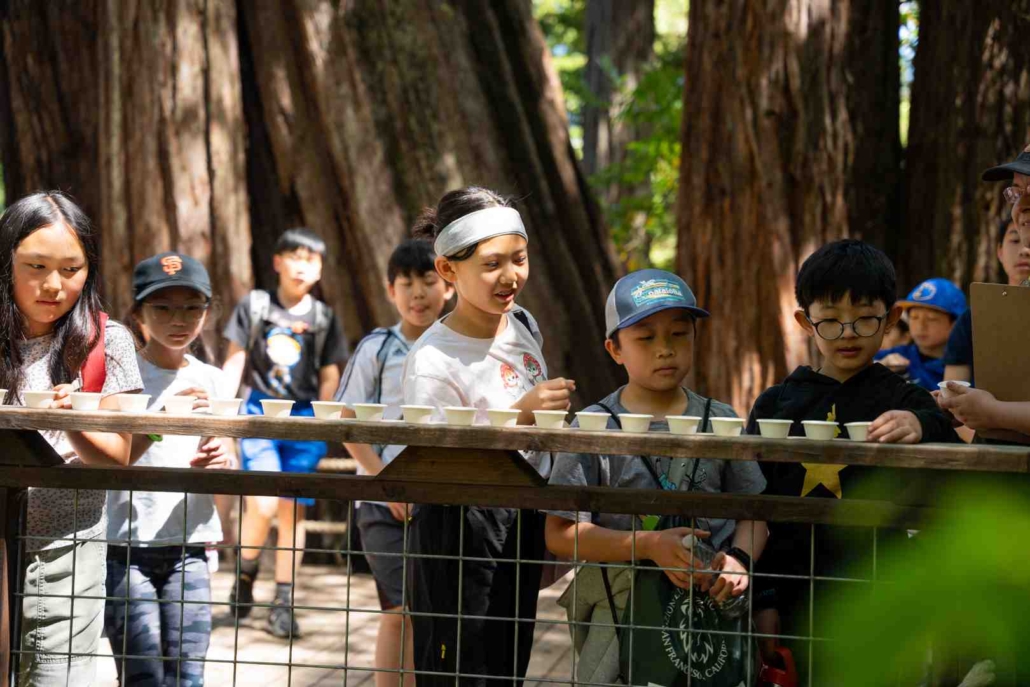
At Alliance Redwoods Conference Grounds, we’ve seen how immersive, place-based experiences transform individuals and groups. Understanding these approaches will help you create more meaningful and lasting impact, whether you’re planning a retreat, conference, or educational program.
The ‘Why’ and ‘How’: Understanding the Experiential Learning Framework
Experiential learning is more than just “doing”; it’s a structured process rooted in real-world experience. Modern experiential learning frameworks often reference David Kolb’s model, which maps how experience becomes learning through a repeatable cycle. At its heart, this approach engages the “whole person”—cognitively, emotionally, and physically—to create authentic learning that sticks.
An activity becomes experiential when learners do, decide, and own the outcome. Reflection turns that experience into transferable learning. The experience must be structured to require the learner to make decisions and be accountable for the results. Most importantly, this active phase must be paired with reflection, critical analysis, and synthesis. Without reflection, an activity is just an activity, not a transformative learning opportunity.
The Four Stages of Kolb’s Learning Cycle
David Kolb’s Experiential Learning Model provides a powerful framework for this process. It describes a four-stage cycle that turns experience into understanding.
- Concrete Experience (Doing): The learner has a direct, hands-on experience, like participating in a team challenge or conducting an experiment.
- Reflective Observation (Reviewing): The learner steps back to reflect on what happened, asking questions and considering different perspectives.
- Abstract Conceptualization (Concluding): The learner analyzes their observations to form new ideas or connect the experience to existing knowledge.
- Active Experimentation (Planning): The learner plans how to apply their new understanding to future situations, which leads to a new concrete experience.
This cycle helps educators design types of experiential learning that reliably produce insight, rather than ‘fun activities’ with no carryover.
Key Elements of an Experiential Activity
To be effective, an experiential activity should include:
- High Student Engagement: Learners are active participants—investigating, problem-solving, and taking responsibility.
- Authentic Challenges: The activity presents real-world, often unstructured, problems that challenge learners in a relevant context.
- Interactive and Situated Learning: Learning is a dynamic connection between the person and their environment. Our immersive activities at Alliance Redwoods use our natural setting to create unique, memorable learning environments.
- Critical Reflection: Reflection is the bridge between experience and learning. Guided reflection helps learners process what they’ve done and how it applies to broader contexts.
The Core Categories and Types of Experiential Learning
The various types of experiential learning can be grouped into four main categories, each designed to apply theoretical knowledge to practical situations.
Work and Field-Based Learning
Work and field-based types of experiential learning place learners in real settings (workplaces, labs, field sites) where performance matters.
- Internships: Gain work experience in a career field, bridging academic study and professional practice.
- Apprenticeships: On-the-job training with an experienced mentor, often leading to certification.
- Practicums: Supervised, practical application of previously studied theory, often required for a degree.
- Clinicals: Hands-on experience in a specific field of study, such as nursing or child development.
- Cooperative Education (Co-ops): Structured, multi-semester work experiences tied to academic learning outcomes.
- Field Work: Applying classroom concepts in an off-campus setting, from anthropological digs to labs.
- Job Shadowing: Observing a professional to gain insight into a specific career.
Our facility is ideal for hosting professional development retreats where teams can improve collaboration and leadership through nature-based activities.
Project and Problem-Based Types of Experiential Learning
Project and problem-based types of experiential learning build critical thinking by asking learners to solve messy, real-world problems.
- Project-Based Learning (PBL): Students investigate and respond to a complex question or challenge over an extended period.
- Problem-Based Learning: Learners work collaboratively to research and solve real-world problems.
- Case-Based Learning: Analyzing real or fictional case studies to apply theoretical knowledge.
- Inquiry-Based Learning: Students ask questions and construct knowledge through their own exploration and research.
- Simulations and Role-Playing: Imitating real-world systems in a safe, controlled environment to experiment with different outcomes.
- Competitions: Applying skills in a competitive setting like a hackathon or design challenge.
- Entrepreneurship: Developing and launching a project or business to gain experience in innovation and planning.
Community and Global-Based Learning
These experiences connect learners with broader communities, promoting civic responsibility and empathy.
- Service-Learning: Integrates meaningful community service with course content and reflection.
- Community-Based Learning: Applying academic knowledge to real-world community issues through local partnerships.
- Volunteering: Contributing time and effort to a cause through a non-profit or community organization.
- Study Abroad/Study Away: Learning in another culture or a different domestic region to foster global awareness and adaptability.
- Cultural Immersion: Directly engaging with a different culture to experience its customs and social norms.
Our outdoor education programs foster a strong sense of community and environmental stewardship, connecting groups to their surroundings and each other.
Classroom and Research-Based Learning
Experiential learning can be integrated into traditional academic settings to make learning more active.
- Undergraduate Research: Mentored investigations that contribute to scholarly or artistic knowledge.
- Labs and Studios: Practical sessions for applying theory through experiments or creative projects.
- Intensive Writing: Projects focused on developing advanced writing skills through drafting and revision.
- Portfolios: Collections of student work that demonstrate learning and progress over time.
- Capstone Projects: Final, comprehensive projects that require students to synthesize and apply knowledge from their entire program of study.
- Client-Based Projects: Completing a deliverable for a real client, such as designing a product for a local business.
Implementing Experiential Learning in Modern Education
Successfully integrating types of experiential learning requires careful planning, clear communication, and a thoughtful approach to assessment. The goal is to create a powerful learning environment, whether in a classroom or an outdoor setting.
Choosing the Right Types of Experiential Learning for Your Goals
Selecting the most effective activity depends on your educational goals. Consider the following:
- Align Activities with Goals: Ensure the experience is directly tied to the curriculum and that learners understand the “why” behind it.
- Balance Group and Individual Work: A mix of collaborative and solo activities caters to different learning styles and builds diverse skills.
- Consider Student Readiness: Evaluate learners’ prior knowledge and the practical resources available (time, materials, support).
- Define Desired Outcomes: Decide if you’re targeting hard skills (like coding) or soft skills (like leadership and communication).
- Set Clear Expectations: Clarify expectations for participation and assessment, which can include journals, projects, or peer reviews.
When you plan your educational event with us, we help align activities with your group’s objectives to maximize their impact.
The Role of Technology and Digital Tools
Technology enables new types of experiential learning, from simulations to virtual labs, when reflection and feedback are built in. Digital tools can improve accessibility and bring real-world experiences into any learning environment.
- Virtual and Augmented Reality (VR/AR): Create immersive simulations for practicing complex skills in a safe environment.
- Online Simulations and Games: Allow learners to experiment with different outcomes in business, crisis response, or other scenarios. You can even use AI to design simulations.
- Digital Collaboration Platforms: Facilitate project-based learning by connecting students across distances.
- Makerspaces: Allow students to design and prototype, turning abstract ideas into tangible creations.
Resources for Educators
Many resources are available to help educators implement these methods:
- Professional Development: Workshops on designing and assessing experiential learning activities.
- Institutional Support: University centers for teaching excellence often provide guides and consultations.
- Grants and Funding: Internal and external grants can support innovative teaching initiatives.
- Peer Networks: Connect with other educators to share resources and ideas.
- Guides and Frameworks: Use practical guides for designing in-class assignments and structuring activities.
Our facilities provide an ideal, distraction-free setting for professional development. Booking a venue for your next training with us can inspire creativity and deeper engagement.
The Transformative Benefits of Learning Through Experience
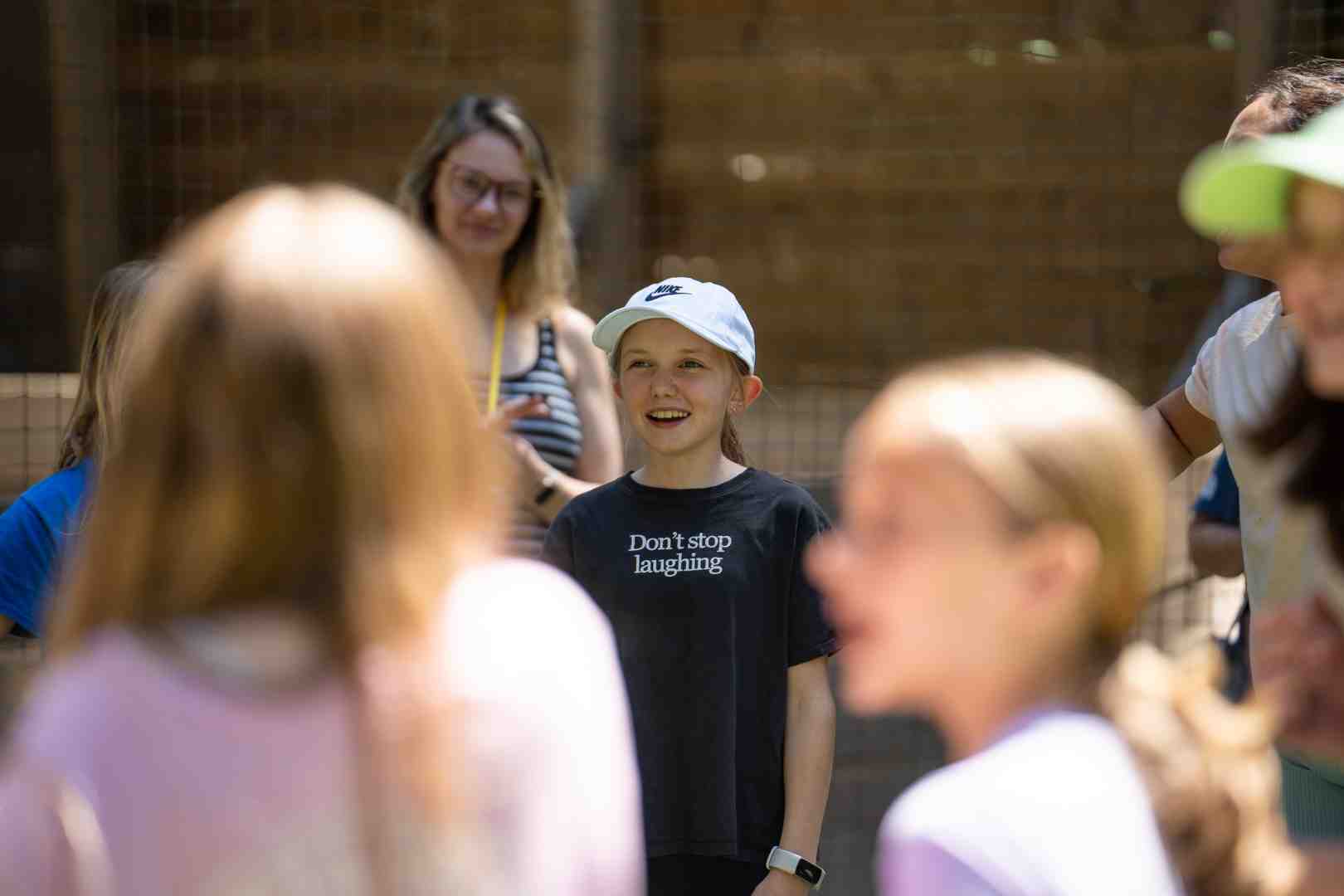
The impact of experiential learning extends far beyond academics, fostering profound personal and professional growth. NSSE tracks participation in high-impact experiences like internships, service-learning, and research with faculty, closely related to experiential learning design. It transforms learning by igniting curiosity, building community, and creating real-world competence.
Boosting Academic and Cognitive Skills
Engaging in various types of experiential learning provides a significant boost to cognitive abilities.
- Critical Thinking: Facing unstructured problems forces learners to analyze situations, evaluate options, and make informed decisions.
- Problem-Solving: Activities demand creative and practical solutions, directly enhancing problem-solving skills.
- Knowledge Retention: Active and emotional engagement helps learners deeply understand and retain information.
- Making Concepts Concrete: Abstract theories become tangible realities, like understanding ecology by observing a forest ecosystem.
- Igniting Curiosity: Authentic experiences spark genuine curiosity and motivate learners to take ownership of their education.
Developing Essential Soft and Transferable Skills
Experiential learning is a powerhouse for developing the soft skills that are crucial in today’s world.
- Leadership: Taking initiative and guiding peers in group projects builds leadership qualities.
- Teamwork and Collaboration: Working with others fosters communication, negotiation, and conflict resolution.
- Communication: Learners constantly practice and refine their communication skills through presentations and group discussions.
- Adaptability and Resilience: Overcoming unexpected challenges builds the ability to adjust, persevere, and bounce back from setbacks.
- Empathy: Engaging with diverse communities through service-learning or cultural immersion fosters a deeper understanding of different perspectives.
- Project Management: Many activities involve planning, execution, and evaluation, teaching core project management skills.
These transferable skills are highly valued and prepare individuals for success in a global society.
Frequently Asked Questions about Experiential Learning
What is the main difference between experiential learning and hands-on learning?
While related, they are not the same. Hands-on learning is the “doing” part of an activity. Experiential learning is a broader process that includes the hands-on component but adds a crucial, structured phase of reflection. This reflection—analyzing the experience, drawing conclusions, and planning for the future—is what turns an activity into a deep learning opportunity.
Can experiential learning be done online?
Yes. Technology enables rich experiential learning online through virtual labs, complex business or crisis simulations, collaborative global projects, and virtual internships. As long as the core elements of active engagement, decision-making, and structured reflection are present, the experience can be effectively facilitated in a digital environment.
How is success measured in experiential learning?
Success is measured holistically, focusing on skill development and application rather than just test scores. Common assessment methods include:
- Reflective Journals: Documenting insights and personal growth.
- Peer Assessments: Evaluating contributions in collaborative projects.
- Project Rubrics: Assessing the quality of deliverables and problem-solving.
- Portfolios: Showcasing skills and progress over time.
- Observation: Educators assess engagement and interpersonal skills during the activity.
- Application: Evaluating a learner’s ability to transfer knowledge to new situations.
Conclusion
From internships and service-learning to project-based challenges and undergraduate research, the various types of experiential learning all share a common power: they transform education from passive absorption to active engagement. By following the cycle of doing, reflecting, conceptualizing, and applying, learners develop a profound and lasting understanding.
The benefits are clear—improved critical thinking, problem-solving, and knowledge retention, along with the development of essential soft skills like leadership, teamwork, and resilience. This approach prepares individuals not just for a test, but for success in a complex, global society.
At Alliance Redwoods, we help groups design experiential learning programs that combine hands-on challenge, guided reflection, and memorable natural settings. Our historic Redwood forest provides a unique natural setting for groups to engage in character development and outdoor education programs. We help participants foster teamwork, build resilience, and forge a deeper connection to learning, empowering them to face the world with confidence and capability.

