
Hiking at Night: Safety, Gear, and Navigation Tips for Redwood Trails
What You Need to Know Before Hiking at Night
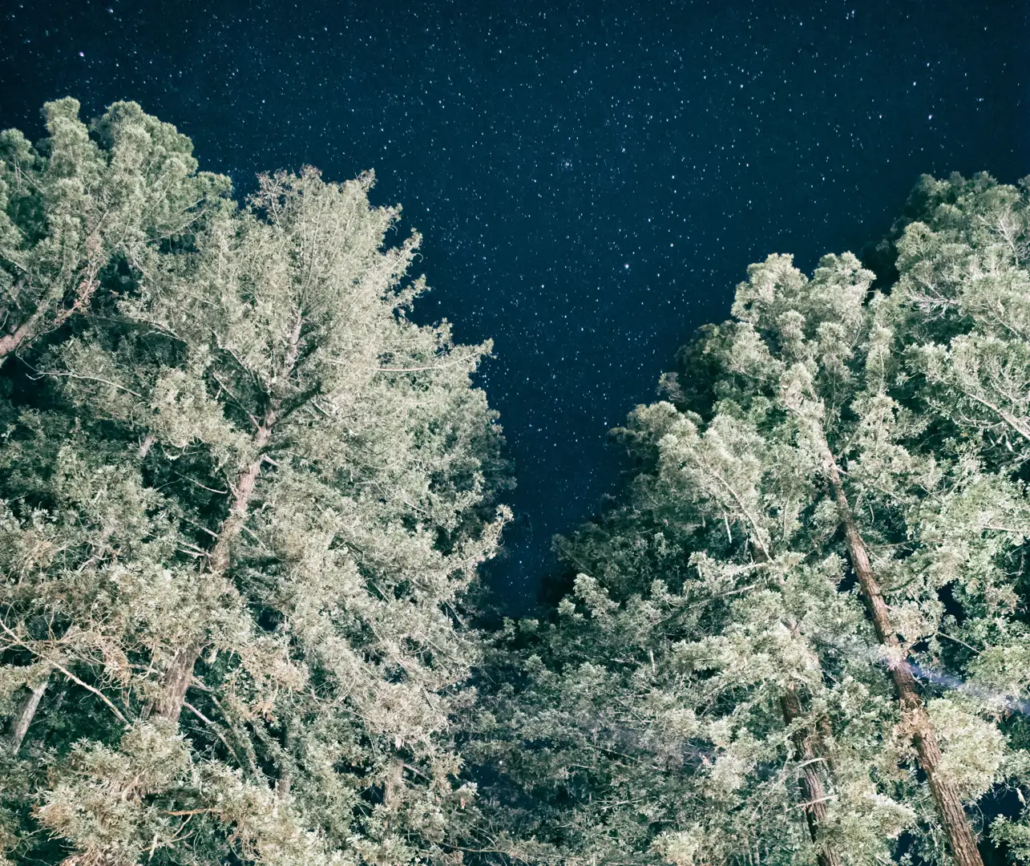
Hiking at night is one of the most rewarding outdoor experiences you can have — but it comes with real risks if you’re unprepared. When the sun dips below the horizon, the familiar trails of Northern California transform into a completely different landscape. The towering Redwoods, which seem so solid and permanent during the day, become silhouettes against a starlit sky, and the sounds of the forest shift from the chatter of squirrels to the mysterious rustle of nocturnal life. This transition is magical, but it requires a specific set of skills and a heightened level of awareness to navigate safely.
Here’s a quick summary of what safe night hiking requires:
- Bring the right light: Use a headlamp with at least 100 lumens and a red light mode to preserve your night vision.
- Know your trail: Start on a familiar route before exploring new terrain after dark; familiarity is your best defense against getting lost.
- Tell someone your plans: Share your location, expected return time, and group details with a trusted contact who isn’t on the hike.
- Hike with others: Groups of four or more are significantly safer than going solo, providing a safety net for emergencies.
- Let your eyes adjust: It can take up to 45 minutes for your vision to fully adapt to darkness; be patient with your biology.
- Layer up: Temperatures drop quickly at night, even in summer, and moisture-wicking fabrics are essential for comfort.
- Download offline maps: Cell service can disappear fast on remote trails, making digital backups a necessity.
Most people never consider hiking at night, but with the right preparation, it can be safe, awe-inspiring, and deeply restorative. It feels risky. Strange sounds, limited visibility, and that primal instinct to stay close to the fire — all of it adds up to hesitation. But here’s the truth: with the right preparation, hiking at night opens up a completely different world. Starlit skies, cooler air, nocturnal wildlife, and a deep quiet that daytime trails simply can’t offer. It is an exercise in mindfulness, forcing you to slow down and pay attention to every step and every sound.
For hiking at night, preparation is the difference between a memorable experience and a preventable risk. Night hiking isn’t dangerous because of the dark itself; it’s dangerous when people underestimate what the dark demands. At Alliance Redwoods, we help groups plan and lead hiking at night experiences with clear protocols for gear, navigation, and group safety. I’m Joy Ferguson, a tourism and outdoor education professional with deep roots in Northern California’s Redwood landscapes, where guiding immersive nature experiences — including hiking at night — has been central to my work. In the sections ahead, we’ll walk through everything you need to hike safely and confidently after dark, from gear and navigation to wildlife awareness and trail etiquette, all within the majestic context of our coastal forests.
The Sensory Benefits of Nocturnal Exploration
When we step into the woods after the sun has dipped below the horizon, we aren’t just changing the time of day; we are changing our entire relationship with the environment. In the Redwoods of Northern California, the transition from day to night is nothing short of magical. While daytime hikers focus on the massive scale of the trees, night hikers begin to notice the intricate details that only emerge in the shadows. The forest floor, often overlooked in the bright sun, becomes a tapestry of textures, and the air itself seems to thicken with the scent of damp earth and redwood needles.
One of the most immediate benefits of hiking at night is the relief from the heat. In areas like the East Bay or the sun-drenched valleys of Sonoma County, daytime temperatures can be draining, leading to fatigue and dehydration. At night, the air cools, making strenuous climbs feel much more manageable and allowing your body to regulate its temperature more efficiently. This drop in temperature also brings a change in the atmosphere. The forest feels more alive as the “golden hour” transitions into a deep, velvety indigo. For photographers, this period offers a unique opportunity to capture the landscape in a light that most people never see, where the contrast between the dark canopy and the celestial light creates stunning, ethereal compositions.
Beyond the visuals, your other senses begin to take the lead. We often rely so heavily on our sight during the day that we tune out the rest of the world. At night, your hearing becomes incredibly sharp. You’ll hear the distant hoot of a Great Horned Owl or the soft rustle of a black-tailed deer moving through the ferns. You might notice the subtle change in the wind as it moves through the high branches of the Sequoia sempervirens. This sensory connection fosters a deeper bond with nature, moving us away from being mere observers and making us part of the nocturnal ecosystem. It is a form of sensory therapy that reduces stress and heightens our appreciation for the complexity of the natural world.
Stargazing is, of course, the crown jewel of the night hike. Away from the light pollution of San Francisco or San Jose, the sky opens up in a way that is impossible to experience in the city. In the dense canopy of the Redwoods, you might catch glimpses of the Milky Way through the “windows” in the branches, creating a natural planetarium. It’s a humbling experience that reminds us of our place in the universe, providing the kind of restoration and growth we strive for at Alliance Redwoods. The silence of the night, broken only by the sounds of the forest, allows for a level of introspection and peace that is rarely found in our modern, hyper-connected lives. By embracing the dark, we find a new kind of clarity.
Essential Gear and Lighting for Hiking at Night

You wouldn’t head out on a multi-day trek without a map, and you shouldn’t go hiking at night without the proper illumination. Your primary light source is your lifeline. While a handheld flashlight is okay for scanning the distance, a headlamp is non-negotiable for safety. It keeps your hands free to use trekking poles, check your map, or catch yourself if you trip on a hidden root. In the uneven terrain of the forest floor, having your hands available can mean the difference between a minor stumble and a significant injury.
For hiking at night, use a headlamp that can comfortably light your next steps and trail markers; a 100-lumen minimum works for easy paths, with more output helpful on technical terrain. For technical trails, consider a brighter setting and a longer battery reserve—especially if you’ll be moving through uneven footing. Choose a headlamp that fits securely, offers a red mode, and has reliable battery life; include a backup light in case your primary fails. Its slim design prevents it from bouncing, which is a common annoyance with heavier models.
However, lighting is only one part of the equation. Temperatures in Northern California can plummet once the sun goes down, especially in the microclimates of the Santa Cruz Mountains or the coastal Redwoods, where fog can roll in unexpectedly. We always suggest packing extra layers. Pack insulating layers that stay warm in damp conditions, plus a wind- and moisture-resistant shell for foggy coastal nights. Pair this with sturdy footwear like Danner Mountain 600 Hiking Boots to protect your ankles on uneven terrain and provide the traction necessary for damp, nighttime trails.
Use a comfortable pack that keeps safety items accessible, especially your backup light, first aid, and navigation tools. Inside, you should also carry a portable charger. Cold weather is notorious for draining phone batteries, and if you are using your phone for navigation, a dead battery can turn a fun adventure into a dangerous situation. The Goal Zero FLIP portable chargers are rugged and reliable for this purpose, ensuring your GPS and emergency communication devices remain functional throughout the night.
Choosing the Right Headlamp for Hiking at Night
When selecting your headlamp, look for specific features that cater to the dark. A “red light mode” is essential. Human eyes are less sensitive to red light, meaning it won’t reset your night vision adjustment or blind your hiking partners when you turn to talk to them. This is a key part of trail etiquette and personal safety.
The BioLite headlamp is favored for its “3D SlimFit” construction, which sits flat on the forehead and doesn’t bounce while you walk. You should also look for adjustable angles; being able to tilt the beam downward allows you to see exactly where your feet are landing without having to crane your neck. Other great options include the Petzl Actik Core, which offers a hybrid battery system—allowing you to use either a rechargeable battery or standard AAA batteries as a backup. Always carry a spare set of batteries or a second light source, as a total light failure in the deep woods is a critical emergency.
| Feature | Headlamp | Flashlight |
|---|---|---|
| Hands-Free | Yes | No |
| Beam Direction | Moves with your head | Requires manual aiming |
| Weight Distribution | Balanced on head | Weighted in hand |
| Best Use | Technical hiking/climbing | Scanning for wildlife at a distance |
Packing the 10 Essentials
Regardless of the time of day, every hiker should carry the 10 essentials. However, for night hikes, these items take on a new level of importance. Preparation and resilience are the foundations of outdoor safety, and having these items can prevent a minor mishap from escalating into a survival situation.
- Navigation: A map, compass, and GPS with offline capabilities.
- Illumination: Your primary headlamp plus extra batteries or a power bank.
- Sun Protection: Not needed at night, but essential if your hike lasts until sunrise!
- First Aid: Including a first aid kit with an aluminum rescue blanket to treat shock or hypothermia.
- Knife/Repair Kit: For gear failures or emergency repairs.
- Fire: Matches or a lighter in a waterproof container for emergency warmth.
- Shelter: An emergency bivy or space blanket to retain body heat.
- Extra Food: High-calorie snacks to keep your metabolism and energy up in the cold.
- Extra Water: Hydration is just as important in the cold as it is in the heat.
- Extra Clothes: Specifically, moisture-wicking layers and a hat to prevent heat loss.
Navigating the Dark: Vision and Strategy
When hiking at night, navigation becomes a different beast because your visibility shrinks to a small circle of light. The most important rule for beginners is to hike a trail you are already familiar with. Landmarks that look obvious during the day—a specific rock formation, a unique tree, or a fork in the path—can vanish in the shadows or look completely different under artificial light. The lack of depth perception can make a gentle slope look like a steep drop, and shadows can play tricks on your mind.
When hiking at night, keep a close eye out for reflective trail markers. Many managed trails in Northern California use these to help guide hikers. If you find yourself off-trail, stop immediately. Do not keep walking in hopes of “finding” the path, as this often leads to further disorientation. Use an offline-capable navigation app and download maps before you go; in the Redwood canyons, cell service can drop without warning. Because cell service is spotty in the deep canyons of the Redwoods, downloading these maps before you leave home is a mandatory step. Digital tools are excellent, but they should always be supplemented by physical awareness and a sense of direction.
For those seeking a more spiritual or reflective experience, our prayer path at Alliance Redwoods offers a controlled environment to practice these skills. Even on a familiar path, always carry a physical backup like the Suunto A-30L Compass and a topographic map. Technology can fail due to cold or software glitches, but a compass won’t. Learning to read a map by the light of a headlamp is a skill that every serious night hiker should master.
Optimizing Night Vision
For hiking at night, give your eyes time to adapt; full dark adjustment can take a while, especially if you keep checking bright screens. This process involves the rods and cones in your retina. While cones help us see color and detail in bright light, rods are responsible for our peripheral vision and seeing in low-light conditions. When you turn on a bright white light, you instantly “bleach” the rhodopsin in your rods, resetting that 45-minute clock. This is why maintaining a consistent, low-level light environment is so important for safety and enjoyment.
To optimize your night vision, avoid looking directly at any white light source—including your phone screen. If you must use a light, use the red mode on your headlamp. Red light has a longer wavelength and is less likely to disrupt your night vision. Interestingly, some scientific research on night vision adaptation suggests that your peripheral vision is actually more effective at night. If you think you see something in the shadows, try looking slightly to the side of it rather than directly at it. This allows the rods, which are more concentrated on the edges of the retina, to pick up the movement and shape more clearly.
Moon Phases and Trail Selection
The moon is your greatest ally when hiking at night. Even on bright moonlit nights, bring a headlamp—Redwood canopy can make sections of the trail effectively black. This creates a “shadow world” where the landscape looks ethereal and silver, and the need for artificial light is minimized. However, even under a full moon, the deep canopy of a Redwood forest can remain pitch black, so always be prepared with your headlamp.
When planning your trip, check the lunar cycle. The few days leading up to and following a full moon are ideal for visibility. However, keep in mind that the moon rises and sets at different times each night. You don’t want to start your hike only to have the moon disappear behind a ridge twenty minutes later. In some specialized environments, there are strict requirements for night activities based on visibility and terrain. While we don’t have those specific requirements in the Bay Area, the principle remains: choose your terrain based on the light available. Open ridges and light-colored surfaces reflect moonlight much better than the dark, needle-covered floor of a Redwood forest. At Alliance Redwoods, we can help you plan the perfect timing for your group’s nocturnal adventure.
Safety Protocols: Wildlife and Emergencies
Safety is a team effort. At Alliance Redwoods, we emphasize guest group activities that build community and safety through numbers. When you are out in the wild at night, the “buddy system” isn’t just a suggestion—it’s a requirement. Having others with you provides emotional support, extra sets of eyes, and critical assistance if someone gets injured. The psychological comfort of a group also helps to mitigate the natural anxiety that can come with being in the dark.
Before you even leave your house, check the weather. A clear night can quickly turn into a foggy or rainy one, especially near the coast where the marine layer can move in with surprising speed. Temperature drops can be significant; what felt like a warm evening in Santa Rosa can turn into a freezing night in the forest. Always tell someone your plans. Give them a specific itinerary, including where you are parking, the specific trails you are taking, and when you expect to be back. For peace of mind, consider carrying an emergency beacon like the SPOT Gen4 or a Garmin InReach Mini. These devices allow you to send SOS signals and text messages via satellite, ensuring you can call for help even when there is zero cell service.
Wildlife Awareness
Many people fear the “things that go bump in the night,” but most wildlife wants to avoid you just as much as you want to avoid them. In Northern California, you may encounter nocturnal animals like owls, foxes, opossums, and occasionally, mountain lions or bears. Understanding their behavior is the first step in coexisting safely. Most animals are more active at dawn and dusk, but many predators use the cover of darkness to hunt.
One of the simplest ways to reduce surprise encounters while hiking at night is consistent conversation and awareness, especially in low-visibility terrain. Talk to your group, sing, or occasionally call out “Heyo!” to let animals know you are coming. This prevents you from startling a predator at close range, which is when most negative encounters occur. While “hey bear” calls are common, some experts suggest saving that specific call for when you actually spot a bear, so your group knows the difference between general noise and an active sighting.
Common Nocturnal Wildlife in Northern California:
- Great Horned Owls: Listen for their deep hoots; they are the silent hunters of the canopy.
- Black-Tailed Deer: Often seen at the edges of clearings; their eyes will reflect your headlamp light.
- Coyotes: You’ll likely hear their yips and howls before you see them; they are generally shy but curious.
- Gray Foxes: Smaller and more elusive than coyotes, often found in the brush.
- Wild Boars: Known for their distinct musky scent. If you encounter one, back away slowly; do not run, as they can be territorial.
Emergency Planning and Group Dynamics
For hiking at night, a small group improves safety and decision-making if conditions change. A group large enough to assist in an emergency, without leaving anyone alone, adds resilience when you’re hiking at night. If someone gets injured, one person can stay with the victim while the other two go for help. This ensures no one is ever left alone in the dark, which is vital for both safety and morale. If you are a school administrator or teacher looking into outdoor education for schools, you know that group dynamics are essential for managing risk. The same applies to your personal hikes.
If an emergency occurs, stay calm. If you need to signal for help and don’t have a satellite device, use your headlamp to give the alpine distress signal: six flashes in one minute, then a minute of silence, then repeat. This is a universally recognized signal for help. Some modern gear also comes equipped with RECCO reflectors. These are small, passive transponders that allow professional rescue teams to find you using specialized radar equipment. While common in ski gear, they are increasingly found in hiking apparel and backpacks, providing an extra layer of security for those exploring the deep woods at night.
Trail Etiquette and Beginner Tips for Hiking at Night
Etiquette doesn’t disappear when the sun goes down. In fact, it becomes more important because the stakes are higher and visibility is lower. When you see another group approaching, switch your headlamp to red light mode or tilt it toward the ground. Bright beams can disrupt night vision and increase trip risk for others; tilt your light down or use red mode when passing. Communication is also key; a simple “hello” lets others know you are there and prevents startling them.
Slowing your pace is the easiest way to avoid injury. In the dark, your depth perception is skewed, and shadows can hide obstacles. What looks like a flat patch of dirt could be a six-inch dip or a slippery root. Take shorter steps and be mindful of your footing. Using trekking poles can provide extra stability and help you gauge the depth of the terrain ahead of you. Remember, the goal of a night hike isn’t speed; it’s the experience of the environment.
Beginner Tips for Building Confidence:
- Start at Twilight: Begin your hike 30 minutes before sunset so your eyes can adjust gradually as the light fades. This makes the transition into total darkness much less jarring.
- Stay Local: Don’t try a remote, three-hour drive trail for your first night hike. Use a local park you know by heart, where the landmarks are familiar.
- Keep it Short: A two-mile loop is plenty for your first time. You can always increase the distance as your confidence grows.
- Check the Moon: Plan your first few outings during a full moon to take advantage of the natural light.
- Listen More, Talk Less: Occasionally stop and turn off your lights. Sit in the dark for five minutes. It’s the best way to realize the forest isn’t scary—it’s just busy. This practice helps to desensitize the fear of the unknown.
Environmental stewardship is also key. Stay on the designated trails to avoid trampling sensitive nocturnal habitats or disturbing nesting animals. The ecosystem is more fragile than it looks, and staying on the path ensures that we minimize our impact. At Alliance Redwoods, we incorporate these lessons into our guest group activities to ensure our beautiful Redwoods remain healthy for generations to come. We believe that by experiencing the forest at night, we develop a deeper respect for its complexity and a stronger desire to protect it.
Frequently Asked Questions about Night Hiking
Is it safer to hike alone or in a group at night?
It is significantly safer to hike in a group. A group of four is ideal, as it provides enough people to handle an emergency without leaving anyone alone. Solo night hiking should only be attempted by highly experienced navigators who are intimately familiar with the trail and carry satellite communication devices. For most people, the presence of others provides both physical safety and psychological comfort, making the experience much more enjoyable.
How do I choose the best trail for my first night hike?
Choose a trail you have hiked at least three times during the day. It should be relatively flat, well-maintained, and free of major technical obstacles like rock scrambles or narrow cliff edges. Open fire roads or well-paved forest paths are excellent choices for beginners. Avoid trails with heavy overgrowth, as these can be difficult to navigate and may harbor more wildlife. At Alliance Redwoods, we can recommend specific paths that are perfect for those new to the nocturnal experience.
What should I do if my headlamp fails during a hike?
This is why we carry backups! If your primary headlamp fails, stop immediately. Do not try to keep moving in the dark. Switch to your backup light or use the flashlight on your phone to reach a safe spot where you can change batteries or switch to your secondary light source. If you have no backup light, stay put until the moon provides enough light to move slowly, or wait for another hiker to pass. Never try to navigate a technical trail in total darkness, as the risk of a fall is extremely high.
What kind of clothing is best for night hiking?
Layering is essential. Start with a moisture-wicking base layer to keep sweat away from your skin, add an insulating middle layer like a fleece or down jacket, and have a windproof or waterproof outer shell. Avoid cotton, as it retains moisture and can lead to hypothermia if the temperature drops. Don’t forget a hat and gloves, as you lose a significant amount of heat through your extremities. Proper footwear with good traction is also vital for navigating damp or uneven nighttime trails.
Are there specific times of year that are better for night hiking?
While you can hike at night year-round, the clear skies of summer and early fall often provide the best conditions for stargazing. However, the crisp air of winter can offer incredible clarity, provided you are dressed for the cold. Always check the weather forecast for fog or heavy cloud cover, which can significantly reduce visibility and make navigation more difficult. Spring can be wonderful for hearing the forest come alive with the sounds of mating calls and new growth.
Conclusion
Hiking at night is an invitation to see the world through a different lens. It challenges our fears, sharpens our senses, and rewards us with a level of peace that is hard to find in our modern, well-lit lives. Whether you are looking for the perfect star-filled photograph, a chance to see elusive wildlife, or a quiet moment of reflection under the canopy of ancient trees, the night has something unique to offer. It is a journey into the unknown that ultimately leads to a deeper understanding of ourselves and the natural world.
At Alliance Redwoods, groups can pair hiking at night with a restorative Redwood retreat experience designed for connection, reflection, and outdoor learning. From San Francisco to Sacramento, we serve schools, nonprofits, and corporate teams looking for more than just a meeting space. We offer immersive, nature-based experiences that foster community and meaningful connection. Our staff is dedicated to providing a safe and transformative environment where guests can step out of their comfort zones and into the wonder of the Redwoods.
If you’re ready to take your group’s outdoor experience to the next level, whether through a guided night exploration, a challenging ropes course, or a transformative team-building retreat, we are here to help. We provide the expertise and the setting necessary for a truly unforgettable adventure.
Ready to plan a guided hiking at night experience as part of your next Redwood retreat at Alliance Redwoods? Contact us today to discuss your group size, goals, and the safest way to explore the forest after dark.

