
The Importance of Connecting Education and the Environment for Students
Why Education and Environment Are Inseparable for Our Future
Education and environment shape the same outcome: whether communities can adapt, thrive, and build a sustainable future. While environmental education empowers learners to solve problems and take action, our systems are failing to keep up. Across national education documents, environmental themes are often missing, and many educators report receiving no related training. Meanwhile, climate change is already disrupting education for millions of displaced children.
This connection goes beyond recycling; it’s about building critical thinking skills, emotional resilience, and practical knowledge. The stakes are immense. If consumption patterns remain unchanged, sustainability targets become unreachable, making the role of education and the environment even more urgent. Yet, most education policies ignore climate change and biodiversity. Environmental education must be a continuous, lifelong process that develops awareness, knowledge, and participation. It teaches students to think critically and become part of the solution, creating lasting behavioral change that temporary incentives can’t match.
Right now, education and environment face a dual crisis: climate impacts are accelerating while access to schooling is being disrupted. It is accelerating environmental problems while also disrupting access to education itself, disproportionately affecting girls, indigenous communities, and people with disabilities.
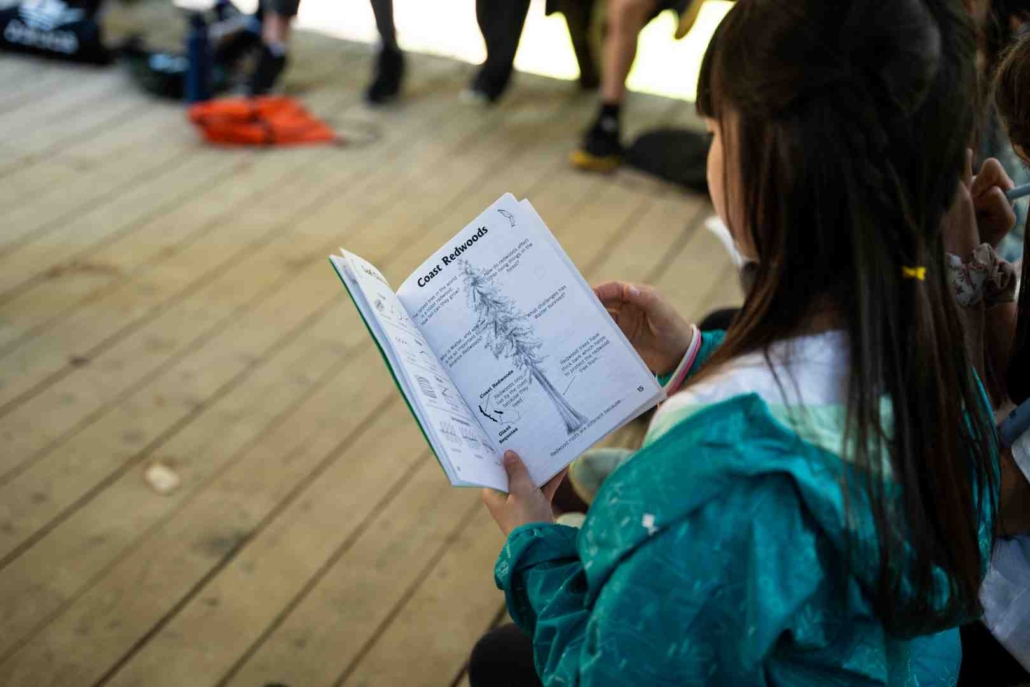
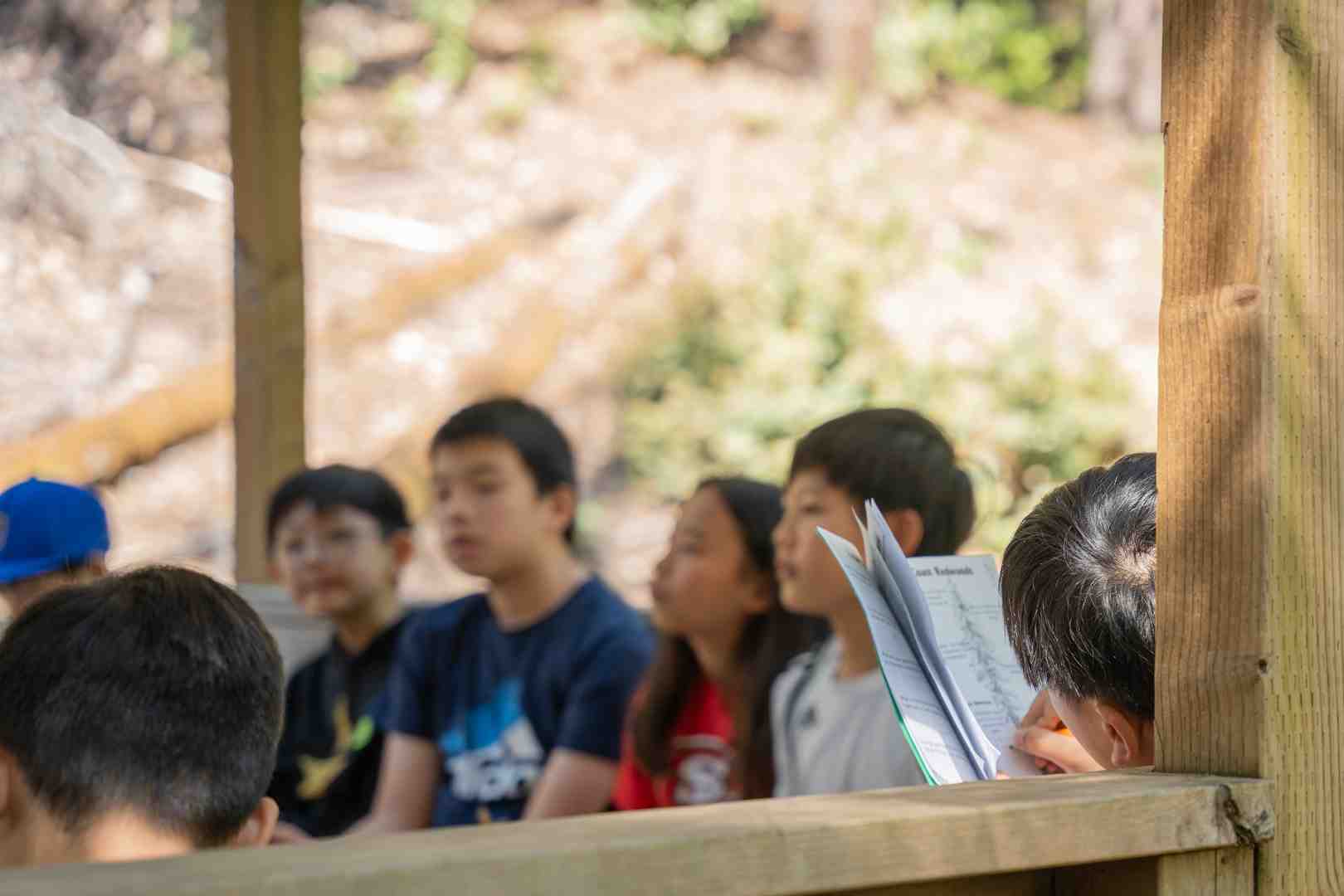
I’m Joy Ferguson, and at Alliance Redwoods Conference Grounds, I’ve witnessed how immersive outdoor experiences transform students. Direct learning in Redwood ecosystems helps students connect observation to action, an early foundation for stewardship.
To truly understand why education and environment are inseparable, we also need to recognize how learning shapes our values over time. Early childhood experiences in nature help children develop curiosity and empathy for living things. As students grow older, formal lessons in science, social studies, and civics can deepen that early sense of wonder into informed responsibility. When these experiences are missing, it becomes much harder for young people to see themselves as capable changemakers.
Because education and environmental outcomes are shared, schools, families, policymakers, and community partners must act together. Schools alone cannot fix the climate and biodiversity crises, but they can provide the foundation: scientific literacy, systems thinking, collaboration skills, and ethical reflection. Families and communities then reinforce these lessons through daily choices—how we travel, what we eat, how we use energy, and how we advocate for fair and sustainable policies.
The link between education and environment is also workforce-driven: environmental education programs prepare learners for emerging sustainability careers. Green jobs in renewable energy, ecosystem restoration, sustainable agriculture, and climate adaptation are rapidly expanding. Without robust environmental education, entire generations will be unprepared for these opportunities, and communities already facing economic hardship may fall further behind. In contrast, when schools and outdoor programs integrate environmental learning, they can help students envision concrete career paths that protect both people and the planet.
Ultimately, investing in the bond between education and environment is not a luxury; it is a prerequisite for a liveable future. The more we delay, the more costly and difficult adaptation and recovery will become. But when we act now—by equipping learners of all ages with knowledge, skills, and hope—we create ripples of positive change that extend far beyond individual classrooms or camps.
Key statistics: 47% of national curriculum frameworks don’t mention climate change; only 19% reference biodiversity; 67% of countries focus solely on cognitive learning rather than socio-emotional or behavioral learning; over one-third of teachers receive no environmental training; 45% of education documents make little-to-no reference to environmental themes
What is Environmental Education and Why Does It Matter?
Environmental education is a dynamic process designed to foster a deep connection with the natural world and equip individuals with the tools to protect it. It’s a professional field using the best educational practices to drive societal change. This process allows individuals to explore environmental issues, engage in problem-solving, and make informed, responsible decisions.
Key approaches in this field include Education for Sustainable Development (ESD), Climate Change Education (CCE), and Greening Education. ESD is a holistic framework for a just and sustainable society. CCE is a vital component focusing on climate change, while Greening Education is a comprehensive approach that integrates sustainability into the entire educational ecosystem—from curriculum to community involvement.
| Feature | Education for Sustainable Development (ESD) | Climate Change Education (CCE) | Greening Education |
|---|---|---|---|
| Scope | Holistic, encompassing environmental, social, and economic sustainability | Specific focus on climate change causes, impacts, and solutions | Broad, integrated approach across all aspects of the education system |
| Primary Goal | Empower learners for informed decisions and responsible action for a sustainable future | Teach about climate change and its implications | Equip learners for climate action, adaptation, and resilience |
| Relationship | Overarching framework | A key component within ESD | Encompasses CCE and ESD, focusing on systemic integration |
| Key Elements | Knowledge, skills, values, agency for sustainability | Understanding climate science, mitigation, adaptation | Curriculum, teacher training, learning environment, community |
For a field-wide definition and program framework, reference the National Association for Environmental Education.
The Core Components of Effective Environmental Education
Unlike simply providing information, environmental education is a process that equips individuals to help resolve environmental challenges. Its core components include:
- Awareness and Sensitivity: Fostering an appreciation for the environment and its challenges.
- Knowledge and Understanding: Providing a grasp of environmental issues, their causes, and consequences.
- Attitudes of Concern: Cultivating genuine care for the environment and a motivation to improve its quality.
- Skills for Resolution: Developing the abilities needed to identify, investigate, and solve environmental problems.
- Participation in Action: Encouraging active involvement that turns learning into tangible impact.
Environmental education empowers learners to weigh various sides of an issue, enhancing their problem-solving skills. It’s about equipping students with the confidence to act, not just to know. Environmental educators work across schools, community groups, and outdoor learning sites—translating complex issues into local action. Naturalists, like those at Alliance Redwoods, focus on connecting people to nature and building stewardship values.
The Relationship Between Education and Pro-Environmental Behavior
Education is key to raising awareness and promoting pro-environmental behaviors. Studies show that higher education levels often correlate with a better understanding of environmental risks. Education can create durable behavior change by building understanding, identity, and agency, not just short-term compliance.
However, the relationship is complex. Environmental concerns can differ with education levels and socio-economic factors. For example, living near protected areas, like our Redwood forest, often increases interest in environmental topics. A major challenge is that concern doesn’t always translate into action. This is why the focus is shifting from purely cognitive learning to include socio-emotional and behavioral learning. We must cultivate not just knowledge, but also the emotional connection and practical skills to act. Understanding this interplay is vital for designing effective programs that lead to real change. For evidence on the education–behavior link, cite peer-reviewed literature or reports from UNEP, UNESCO, or major universities.
The Dual Crisis: How Climate Change Impacts the Education and Environment Connection
The intricate link between education and environment is never more evident than when we examine the devastating impact of climate change. This is a societal crisis that profoundly affects our ability to learn and grow, creating new barriers to education, particularly for the most marginalized groups.
Environmental education professionals are on the front lines, helping communities understand how a changing climate impacts daily life. However, their efforts are often hampered by the overwhelming challenges of climate-induced displacement and educational inequalities.
Challenges for Displaced Children in Accessing Education
One of the most heartbreaking consequences of climate change is the growing number of people forced to flee their homes. These climate-displaced populations, particularly children, face severe challenges in accessing education.
- Forced Displacement and Interrupted Schooling: When families flee environmental disasters, children’s schooling can be interrupted for years, leading to significant learning loss.
- Uncertain Legal Status: Many fleeing environmental disasters lack official papers, making it difficult to obtain legal status. As ‘irregular displaced persons’, they may avoid formal education for fear of being reported, as highlighted by UNESCO. For more details, see The impact of climate displacement on education access.
- Physiological and Cognitive Weakening: The stress of displacement often means reduced access to quality food and clean water. The World Bank Group notes that children’s sensitivity to pollution and malnutrition can weaken their cognitive abilities, making them unfit for school. Read more in this World Bank report on how pollution weakens cognitive abilities.
- Psychological Trauma: Witnessing disasters and adapting to a new life can lead to deep-seated trauma in children, contributing significantly to school dropout rates.
- Child Labor Risks: Displaced families facing economic hardship are more likely to pull children from school to work, perpetuating a cycle of poverty.
How Climate Change Worsens Educational Inequalities
Climate change doesn’t affect everyone equally; it exacerbates existing inequalities, disproportionately impacting vulnerable populations.
- Girls’ Education: Girls are often the first to be withdrawn from school when families face financial pressure from climate-related shocks, sometimes being forced into child labor or early marriage.
- Indigenous Populations: Indigenous communities are among the first to experience climate impacts. When displaced, their children struggle to find education systems that respect their cultural heritage and traditional ecological knowledge.
- People with Disabilities: Individuals with disabilities often have specific needs for accessible infrastructure. In climate-affected regions, these needs are frequently overlooked, further marginalizing them from education.
The Committee on the Rights of the Child emphasizes states’ obligations to protect children’s right to education from environmental harm, paying special attention to these vulnerable groups. Addressing these challenges requires integrating climate education into all levels of learning to ensure no child is left behind.
Greening Our Future: Integrating Environmental Learning into Practice

The climate crisis demands a fundamental shift in how we approach education and the environment. Greening education means embedding sustainability into curriculum, teaching practice, and the learning environment—not treating it as a one-off unit.
Unfortunately, significant gaps persist. A global review found that over half of education policies don’t mention climate change, and only 19% reference biodiversity. The focus remains on cognitive learning, neglecting the socio-emotional and behavioral skills needed to solve problems. We must move beyond knowing about issues to fostering the connection and skills to act, a vision championed by UNESCO’s goal of greening every curriculum.
Key Approaches for Greening the Curriculum
Greening education requires integrating environmental issues across the entire educational experience:
- Holistic Pedagogy: Move beyond rote memorization to engage students socially and emotionally, developing critical thinking and problem-solving skills.
- Cross-Curricular Integration: Weave environmental themes into all subjects, history, literature, economics, and art, to show interconnected systems.
- Whole-School Approach: Green the entire school environment through sustainable facilities, green governance, and community engagement.
- Student-Led Projects: Empower students to identify local environmental problems and develop their own solutions, fostering ownership and agency.
The Power of Action-Oriented and Outdoor Learning
Action-oriented learning is crucial because it moves beyond passive information to active engagement. This is where immersive outdoor education programs, like those at Alliance Redwoods, become invaluable. Our programs are designed to:
- Move from Cognitive to Behavioral Change: Through hands-on science activities, like testing water quality in Dutch Bill Creek, students experience environmental issues, fostering a deep personal connection and motivation to protect nature.
- Foster Personal Connection to Nature: Our 115-acre Redwood forest is an unparalleled classroom for exploring local ecology. This direct interaction builds a sense of wonder and stewardship that lasts a lifetime.
- Develop Practical Skills: Our team-building and challenge courses help students develop relational skills, problem-solving abilities, and resilience. Discover immersive activities for groups that build these critical skills.
- Promote Local Relevance: By studying Northern California’s ecosystems, students connect global concepts to their local environment, making learning meaningful and actionable. See what a day of outdoor learning looks like and how it fosters this crucial connection.
Integrating Indigenous Knowledge and Empowering Teachers
A comprehensive approach must also integrate Indigenous knowledge, which offers profound insights into sustainable living but is often excluded from curricula. Empowering teachers is equally critical, as over a third report no environmental content in their training. We must invest in professional development and provide high-quality resources to help educators become confident agents of change. This holistic, lifelong approach is how we will truly green our future.
In practice, greening education can start with small, concrete steps that any school or group can take:
- School gardens and habitat projects that let students grow food, restore native plants, and observe pollinators up close.
- Energy and water audits led by students, who then propose conservation measures to school leadership.
- Community partnerships with parks, farms, watershed groups, and tribal organizations to co-create projects that benefit local ecosystems.
- Student research and storytelling, such as interviewing elders about past environmental changes or documenting local climate impacts through photography and writing.
These projects transform campuses into living laboratories where environmental concepts are visible and tangible every day. They also model democratic participation: learners identify problems, gather data, collaborate on solutions, and communicate their findings to decision-makers.
Professional development is another cornerstone of greening our future. When teachers feel supported with time, curriculum resources, and peer networks, they are far more likely to integrate environmental themes into their regular practice. Workshops on outdoor classroom management, local ecology, climate science, and culturally responsive teaching can help educators feel both competent and inspired.
Outdoor learning centers can serve as hubs where education and environment meet through place-based lessons, educator training, and field-tested curricula. By hosting teacher institutes, providing ready-to-use lesson plans, and demonstrating best practices in place-based education, we can help formal and nonformal educators align their efforts. The goal is not to add “one more thing” to overloaded schedules, but to weave environmental understanding into what teachers already do: reading, writing, math, social studies, physical education, and the arts.
Finally, greening our future means listening to youth voices. Around the world, young people are leading climate marches, restoring habitats, launching startups, and advocating for policy change. Environmental education should not only prepare them to participate in these movements, but also invite their leadership within schools and programs. When students help design projects, evaluate outcomes, and share results with their communities, they gain a sense of agency that can last a lifetime.
Frequently Asked Questions about Education and the Environment
Here are answers to some of the most common questions we hear about how education and environment intertwine.
Why is action-oriented learning so crucial for climate change education?
Action-oriented learning is vital because knowledge alone doesn’t create behavioral change. This approach engages students on a social-emotional level, empowering them with the skills, confidence, and motivation to take tangible action. By participating in hands-on projects and addressing local environmental issues, students develop a deeper, personal commitment to sustainability. They learn by doing, which fosters problem-solving skills, critical thinking, and a sense of agency essential for tackling complex global challenges and becoming active participants in climate solutions.
How does environmental education differ from simply providing environmental information?
Environmental information is the delivery of facts, data, or opinions, like reading an article about an issue. In contrast, environmental education is a structured process that builds critical thinking, problem-solving, and decision-making skills. It encourages learners to investigate issues from multiple perspectives and develop their own informed solutions, rather than advocating for a single viewpoint. For example, instead of just learning that a creek is polluted, environmental education involves students collecting data, researching solutions, and organizing a clean-up. This active engagement is the key difference.
What are the biggest gaps in integrating environmental issues into education today?
Major gaps exist globally. A UNESCO review found that over half of national curricula do not mention climate change, and only 19% reference biodiversity. There is also a substantial lack of teacher training, with over a third of educators reporting no environment-related content in their training programs, leaving them unprepared. The focus also remains heavily on cognitive learning (in 67% of countries), neglecting the crucial socio-emotional and behavioral skills needed for real-world action. Finally, the depth of inclusion is often very low, with 45% of national education documents making little-to-no reference to environmental themes. These gaps highlight an urgent need for more comprehensive, action-oriented approaches.
Conclusion
The journey to a sustainable future is inextricably linked to our education systems. The connection between education and environment is fundamental to nurturing a generation capable of addressing the planet’s most pressing challenges. Effective environmental education cultivates awareness, skills, and active participation, fostering a lasting commitment to pro-environmental behaviors.
The stakes are higher than ever, as climate change disrupts education and our current systems fall short due to gaps in curricula and teacher training. The path forward requires a holistic greening of education that accepts action-oriented learning, integrates diverse knowledge, and empowers educators. By prioritizing hands-on, outdoor experiences, we can foster deep emotional connection and tangible action.
At Alliance Redwoods, we witness this change daily. Our immersive, nature-based outdoor education programs provide students with unforgettable experiences that build character, community, and a profound appreciation for the natural world. By connecting students directly with the environment, we empower them to become the informed and passionate stewards our planet needs.
If you’re planning an environmental learning experience for your school or group, our team can help you align goals, schedule, and on-site learning activities. Fill out our inquiry page, and we will reach out with details soon.

