
Experience Nature’s Classroom with Youth Outdoor Education Programs in California
Why California’s Natural Classrooms Are Changing Young Lives
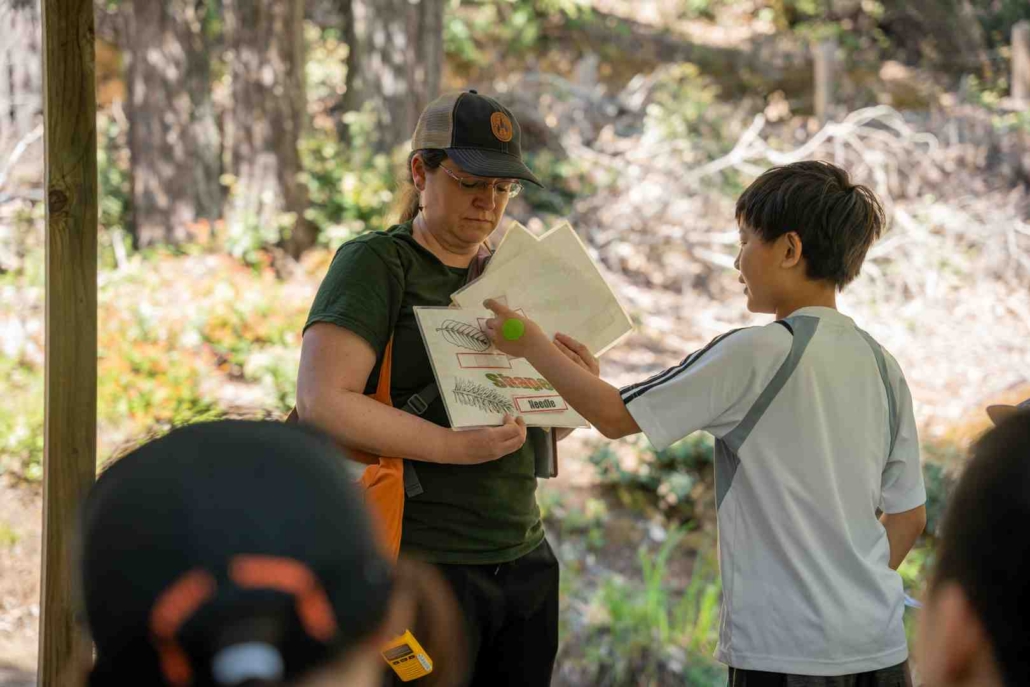
Youth outdoor education programs in California help students learn science and life skills through hands-on exploration in California’s forests, coasts, and mountains. In youth outdoor education programs in California, experiences range from day field studies to multi-week wilderness expeditions, depending on age and goals.
Quick Overview: What You Need to Know
- Program Types: Residential outdoor science schools, summer adventure camps, day field trips, and year-long leadership programs.
- Age Groups: Primarily 4th-6th graders for overnight programs; K-12 for day programs; ages 12+ for expeditions.
- Key Benefits: Environmental stewardship, leadership development, academic enrichment, and social-emotional growth.
- Locations: National parks, Redwood forests, coastal areas, High Sierra wilderness, and dedicated outdoor education centers.
- Accessibility: Many programs offer scholarships to ensure broad access.
- Duration: Single-day visits to multi-week expeditions, with 4-5 day programs being most common for schools.
Many students have limited access to safe, structured time outdoors, making youth outdoor education programs in California a powerful way to rebuild nature connection. However, research consistently shows that time spent in structured outdoor educational settings builds confidence, resilience, and a sense of environmental responsibility that lasts a lifetime. These programs immerse students in nature, creating powerful experiences that shape how they see themselves and their place in the world.
Many youth outdoor education programs in California align lessons to the Next Generation Science Standards (NGSS) through field investigations and guided reflection. They foster teamwork through challenge courses and build self-reliance as students learn to care for themselves away from home. Most importantly, they create lasting memories that graduating high school students consistently identify as highlights of their educational journey.
I’m Joy Ferguson, and through my work supporting youth outdoor education programs in California at Alliance Redwoods Conference Grounds, I’ve seen students grow in confidence, curiosity, and connection. My background in destination marketing and guest experience has given me deep insight into how these immersive experiences connect young people to their environment and inspire a lifelong appreciation for nature.
A Spectrum of Adventure: Types and Goals of Outdoor Programs
California’s landscapes create an unmatched classroom, and youth outdoor education programs in California use that diversity to teach science, leadership, and stewardship. These programs are designed with clear learning objectives, aiming to instill a deep appreciation for science while fostering character development. At Alliance Redwoods, nestled in a 115-acre Redwood forest, we exemplify this blend of hands-on science and personal growth. We believe true learning happens when young people are actively engaged with their environment. If you’re curious about the specific experiences we offer, you can find more info about our outdoor education programs.
What Are the Different Types of Youth Outdoor Education Programs in California?
The variety of youth outdoor education programs in California is as diverse as the state itself. We see a broad spectrum of options, each custom to different educational goals and participant needs:
- Residential Outdoor Science Schools (ROSS): These are multi-day programs, often evaluated through COSA’s ROSS process, designed for immersive science learning. These programs integrate classroom curricula with direct observation and experimentation in natural settings.
- Summer Camps: From traditional overnight camps to specialized adventure camps, summer programs provide extended opportunities for outdoor exploration. Many local organizations in counties like Alameda, San Mateo, and Sonoma offer various summer programs, from day camps to adventure activities.
- Adventure-Based Expeditions: For older youth, some organizations offer challenging multi-day expeditions like backpacking, rock climbing, and mountaineering. These programs push participants beyond their comfort zones, fostering resilience and self-discovery in settings like the High Sierra or coastal state parks.
- Day Programs and Field Trips: Many schools use local natural spaces for single-day field studies. These can range from exploring local parks to visiting nature centers, offering shorter, focused sessions for youth to engage with nature.
- Youth Leadership and Year-Long Programs: Some organizations offer more intensive, year-long programs that combine challenging outdoor expeditions with ongoing community service and leadership development, often focusing on youth aged 12 and up.
At Alliance Redwoods, we offer a range of customizable options for schools and youth groups. Whether it’s a multi-day retreat or a day of team-building, we tailor our programs to meet your group’s specific needs. We invite you to explore our guest group activities to see how we can design an unforgettable outdoor adventure.
What Age Groups and Seasons Do Programs Cover?
Youth outdoor education programs in California are designed for a wide range of ages, adapting content and challenge levels to suit developmental stages.
- Elementary School (Grades 4-6): This is a popular age for residential outdoor science schools, providing foundational science education through immersive experiences. Our programs at Alliance Redwoods frequently host elementary groups, offering them their first taste of living and learning in a Redwood forest.
- Middle and High School (Ages 12+): As students mature, programs often shift towards more complex scientific concepts, environmental leadership, and challenging adventure activities.
- K-12 Day Trips: For younger children or schools seeking shorter experiences, many providers offer single-day field study programs that can accommodate students from kindergarten through 12th grade.
Youth outdoor education programs in California run year-round, with seasonal programming that varies by region and ecosystem. Summer is peak season for adventure camps and longer expeditions. However, coastal and Redwood forest environments, such as our location in Sonoma County, are suitable for programs throughout the school year. School-year programs often align with academic curricula, while summer programs tend to focus more on adventure and personal growth.
What Activities and Learning Can Youth Expect?
When participating in youth outdoor education programs in California, young people can expect a rich mix of activities that bring academic subjects to life, with a focus on hands-on engagement and discovery.
- Hands-on Science: Students might test water quality in a watershed study, track forest decomposers, or compare microclimates; common modules in youth outdoor education programs in California. This might involve studying Redwood forest ecology, stream and watershed ecology, or marine science and tidepooling.
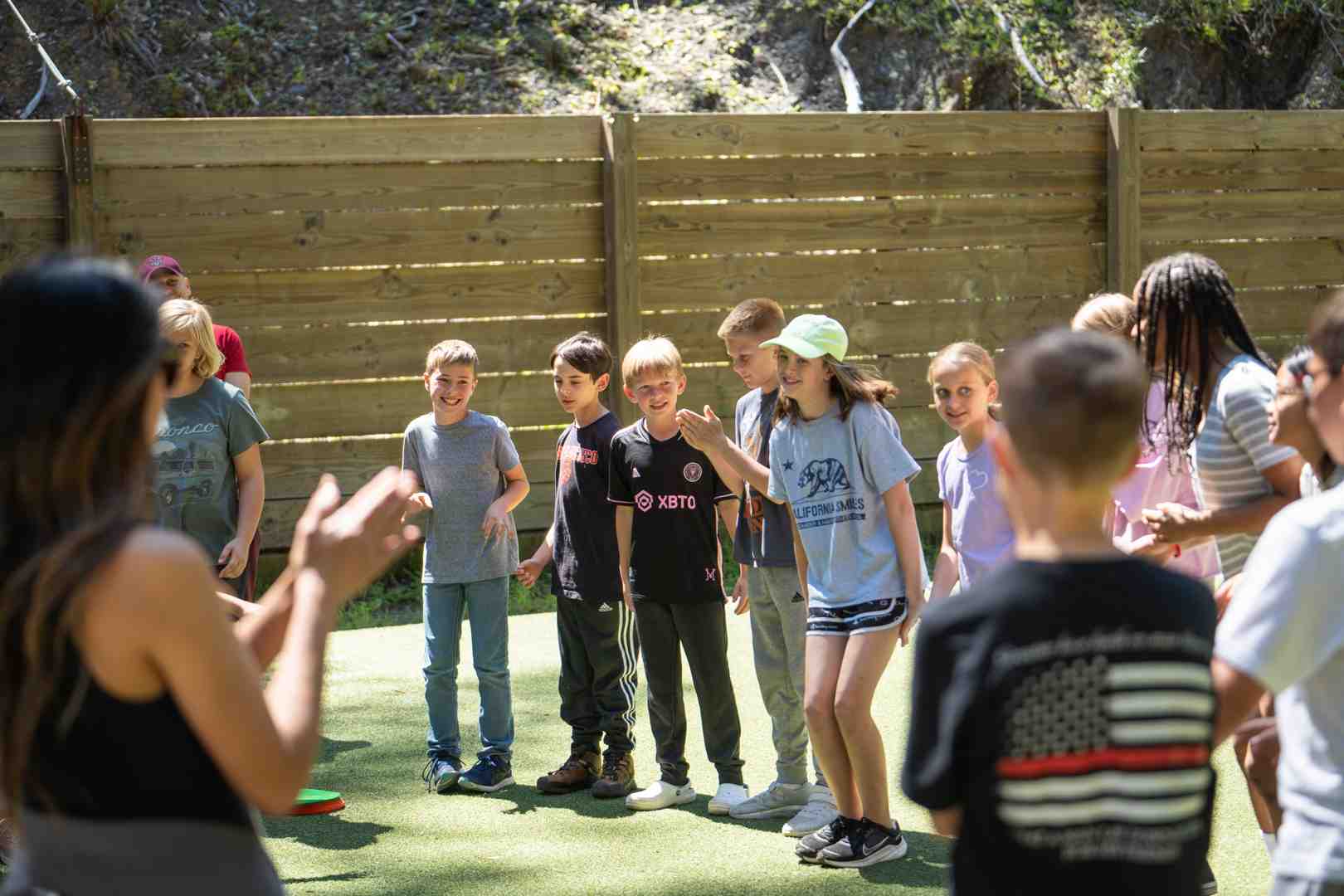
- Team-Building and Adventure: To foster cooperation and leadership, programs often incorporate challenge courses, ropes courses, and even ziplines. These activities require communication, trust, and problem-solving.
- Camping and Outdoor Skills: For overnight programs, youth learn essential skills like setting up camp, cooking outdoors, navigation, and Leave No Trace principles, building self-reliance.
- Hiking and Exploration: Hiking is a core activity that allows students to immerse themselves in different ecosystems, from Redwood groves to mountain trails.
- Journaling and Reflection: Many programs encourage journaling to process experiences, reflect on personal growth, and deepen environmental understanding.
At Alliance Redwoods, programs are built around structured field lessons, team challenges, and reflection, so learning is measurable and memorable. We offer various day experiences that can include elements of environmental education, team-building, and nature exploration. You can view our day experience options to see the possibilities.
More Than a Hike: The Core Benefits of Youth Outdoor Education Programs in California
The impact of youth outdoor education programs in California extends far beyond the immediate learning experience. These programs contribute to a child’s holistic development, reaching into their social, emotional, academic, and personal lives. We see thousands of students annually find new strengths, forge lasting friendships, and develop a profound connection to the natural world.
Fostering Environmental Stewardship and Awareness
A key outcome of youth outdoor education programs in California is a lasting relationship with the natural world, often the foundation of stewardship. When students are immersed in nature, they develop an emotional bond with the natural world, which is a powerful catalyst for environmental stewardship.
- Connecting with Nature: Programs use California’s diverse environments—from the majestic Redwood forests of Sonoma County to dynamic coastal habitats. Students learn about these ecosystems firsthand, observing wildlife and understanding the intricate web of life.
- Understanding Ecosystems: Through hands-on activities, youth gain a tangible understanding of ecological principles. They might study stream ecology in a local creek, learn about forest dynamics in a Redwood grove, or investigate coastal ecosystems.
- Conservation and Restoration: Many programs involve students in practical conservation efforts, such as habitat restoration or trail maintenance. This empowers them to become active participants in protecting the environment.
- Leave No Trace Principles: A fundamental aspect of outdoor ethics, Leave No Trace principles are taught to ensure that participants understand how to minimize their impact on natural areas.
At Alliance Redwoods, our commitment to nature is central to everything we do. We strive to provide experiences that not only educate but also inspire a lifelong dedication to caring for our planet. You can learn more about our commitment to nature.
Building Leadership, Self-Reliance, and Social Skills
Outdoor education is a powerful crucible for developing essential life skills that extend far beyond the trail or the classroom.
- Developing Confidence and Resilience: Facing challenges in a natural setting—whether it’s navigating a tricky trail or simply spending a night away from home—builds immense confidence. These experiences teach young people they are capable of more than they imagined, fostering resilience in the face of adversity.
- Problem-Solving and Collaboration: From setting up a tent to collaborating on a team-building activity, outdoor programs present constant opportunities for practical problem-solving. Students learn to think critically, adapt, and work together towards common goals.
- Taking on Responsibility: In residential programs, students often take on daily responsibilities like cabin chores and helping with meal setup. These tasks foster a sense of ownership and contribution to the group’s well-being.
- Overcoming Homesickness: For many children, an overnight program is their first extended time away from home. Successfully navigating this challenge, with the support of caring staff, builds incredible self-reliance and emotional strength.
At Alliance Redwoods, our programs are designed to cultivate these crucial life skills. We emphasize teamwork, communication, and personal responsibility in a supportive, natural environment. We believe that clear expectations and preparation are key to a successful experience, and you can find more information in our section on expectations and orientation.
Academic and Personal Enrichment
Youth outdoor education programs in California are powerful engines for academic and personal growth, providing a unique context that traditional classrooms cannot replicate.
- Bringing Science to Life: These programs excel at making science tangible and exciting. Instead of reading about ecosystems, students are immersed in them. Many programs explicitly align their curricula with Next Generation Science Standards (NGSS) and Common Core, enhancing classroom learning.
- Supporting School Curricula: The outdoor classroom acts as a living laboratory, reinforcing concepts taught in school with real-world applications.
- Improved Academic Performance: Research suggests that students who participate in outdoor education often show improved academic performance, particularly in science. The hands-on nature of these programs helps different learning styles thrive.
- Increased Self-Esteem and Self-Discovery: Successfully navigating outdoor challenges and connecting with nature contribute to a boost in self-esteem. Students learn about their own capabilities and strengths in ways that build confidence.
- Fostering Curiosity: The wonder of exploring a new environment can spark a lifelong love for learning. When students are engaged and curious, learning becomes an adventure.
Navigating the Options: How to Choose the Right Program
Choosing the right youth outdoor education program in California for your child or student group is a big decision. As parents and educators, we want to ensure the experience is not only enriching but also safe and aligned with our values. Here’s a guide to help you find the perfect fit.
Evaluating Program Safety and Staff Expertise
When evaluating youth outdoor education programs in California, ask about staff training, emergency planning, supervision, and communication procedures. Ask detailed questions about safety protocols and staff qualifications.
- Safety and Emergency Protocols: Reputable programs will have comprehensive safety measures, including clear emergency procedures, well-maintained equipment, and protocols for monitoring environmental conditions.
- Staff-to-Student Ratios: Inquire about the ratio of staff to students, as this directly impacts supervision and personalized attention.
- Staff Qualifications: The expertise of the staff is crucial. Look for programs that employ staff with relevant certifications such as Wilderness First Responder (WFR), CPR/AED, and Lifeguard certifications. Many educators are also Certified Interpretive Guides, skilled in making learning engaging.
- Background Checks: Ensure that all staff members who work with children undergo thorough background checks.
- Passionate Educators: Beyond certifications, look for staff who are passionate about sharing the outdoors with young people. This enthusiasm is contagious and makes a significant difference in the learning experience.
For risk-management baselines, compare provider policies with national camp standards (e.g., ACA) and documented state guidance.
Curriculum, Accreditation, and School Alignment
For school groups, aligning the outdoor program with academic goals is essential.
- Alignment with CA Education Standards: Many programs, particularly residential outdoor science schools, are designed to align with the California Education Code. They often integrate Next Generation Science Standards (NGSS) and Common Core into their curriculum.
- California Outdoor Schools Association (COSA): COSA is a key resource. It uses a Residential Outdoor Science School (ROSS) certification process to help ensure high-quality, academic, and safe learning environments. Looking for COSA-certified programs can provide an extra layer of assurance. For state-level information, the California Department of Education’s Outdoor Education Program page is also a valuable resource.
- Inquiry-Based Learning: Effective programs promote inquiry and discovery, encouraging students to ask questions and seek answers through direct interaction with their environment.
Finding Accessible Youth Outdoor Education Programs in California
Every young person deserves access; look for programs that offer scholarships, partner with districts, and build inclusive supports.
- Scholarship Opportunities: Many organizations are deeply committed to accessibility and offer scholarships for individuals or groups. It is common for a significant percentage of participants to receive some form of financial aid.
- Programs for Underserved Communities: Several initiatives across the state focus on making outdoor education available to communities that might traditionally face barriers, connecting local youth to nature education within their urban and surrounding areas.
- Inclusivity and Cultural Relevance: Beyond financial aid, many organizations are focusing on developing culturally relevant and responsive programming to ensure all participants feel represented and honored.
Frequently Asked Questions about California Outdoor Education
We understand that parents and educators often have specific questions when considering youth outdoor education programs in California. Here are some of the most common ones we hear:
How do I prepare my child for an overnight outdoor education program?
Preparing your child is key to a successful and enjoyable experience. Here’s what we recommend:
- Communicate Excitement: Talk positively about the adventure, the new things they’ll learn, and the fun they’ll have. Your enthusiasm is contagious.
- Pack Appropriately: Programs provide a detailed packing list. Follow it closely, sending older, serviceable clothing suitable for layering to ensure they are comfortable and safe.
- Discuss Homesickness Openly: It’s natural for some children to miss home. Acknowledge this possibility and reassure them that it’s okay, focusing on coping strategies like talking to their cabin leader.
- Avoid Promising an Early Pickup: Program providers often advise against this. Promising to retrieve a child if they are unhappy can hinder their ability to adjust and gain the full benefit of uninterrupted attendance.
- Trust the Program Staff: Reassure your child that the staff are caring, experienced, and there to help them through new experiences.
- Fill Out Forms Completely: Provide all necessary health and dietary information well in advance so the program can make appropriate accommodations.
What is the role of technology on these trips?
Most youth outdoor education programs in California accept a “digital detox” philosophy.
- Screen-Free Environment: Typically, students are not allowed to bring personal electronic devices. This policy is designed to foster a more immersive experience.
- Focus on Direct Experience: Without screens, children are encouraged to engage fully with their natural surroundings and interact face-to-face with peers and instructors, improving social and observational skills.
- Emergency Communication: While students won’t have phones, program staff handle all emergency communication. Parents are provided with emergency contact numbers and procedures.
This intentional disconnection allows young people to be more present and connect deeply with nature and each other.
Conclusion: Your Child’s Next Great Adventure
Investing in youth outdoor education programs in California is an investment in a child’s future. These experiences offer a unique blend of academic enrichment, environmental stewardship, personal growth, and social development that leaves a lasting impact. From majestic Redwoods to rugged coastlines, California’s diverse natural environments provide the perfect backdrop for these transformative journeys.
We’ve explored the types of programs available, the benefits they provide, and how to choose the right one. The long-term impacts are clear: increased confidence, stronger social bonds, and a lifelong appreciation for the natural world. Graduating high school students often look back on these outdoor adventures as some of the most memorable moments of their education.
California’s unique advantage lies in its unparalleled natural beauty and the dedicated organizations committed to high-quality outdoor education. At Alliance Redwoods, we are proud to contribute to this vital mission. Our historic retreat and conference center, nestled in 115 acres of a pristine Redwood forest in Sonoma County, offers exceptional Environmental Education and Character Development programs. We provide immersive, nature-based experiences that foster meaningful connection and growth.
If you’re planning a field program or overnight experience, we’ll help you match curriculum, schedule, and supervision to your group’s needs. Fill out our inquiry form and check out all of our Outdoor Education information to explore your options!

