
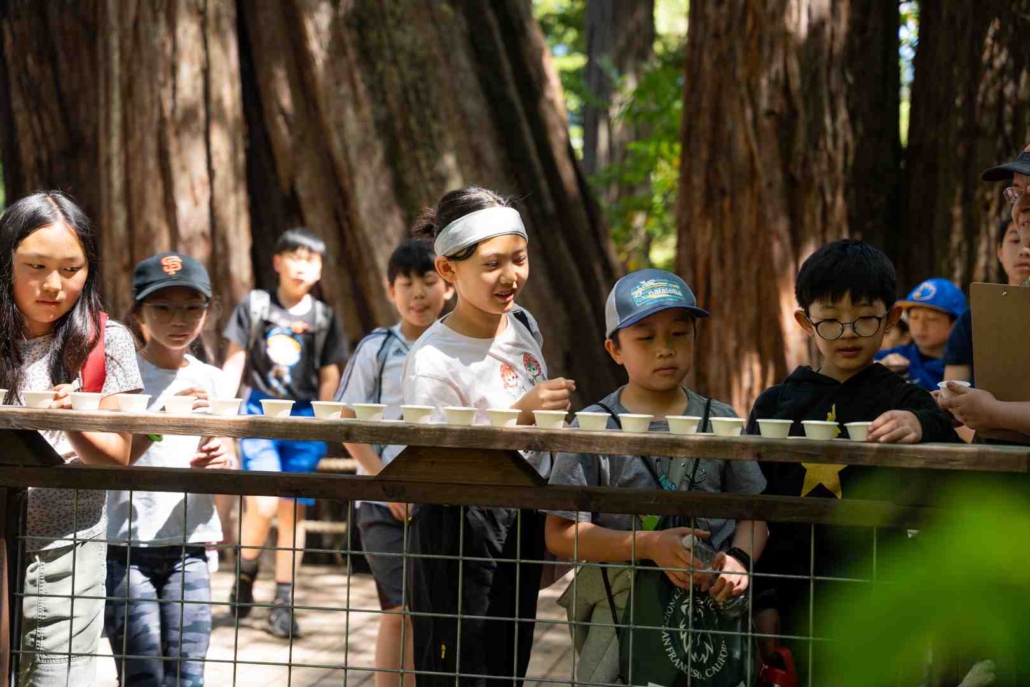
The Importance of Outdoor Education in California for Our Youth
Why California is a Premier Destination for Outdoor Learning
Outdoor education in California offers an unparalleled opportunity to learn through direct experience in the world’s most diverse natural environments. From coastal Redwood forests to alpine peaks, the state provides living laboratories where textbooks come to life, and students develop skills that last a lifetime.
Quick Answer: What You Need to Know About Outdoor Education in California
- Program Types: Day trips, residential science schools, expeditions, and summer camps.
- Core Benefits: Builds confidence, critical thinking, teamwork, and environmental stewardship.
- Curriculum Focus: STEM, environmental science, marine biology, geology, and character development.
- Key Locations: Coastal Redwoods, High Sierra mountains, deserts, and marine sanctuaries.
- Grade Levels Served: Primarily grades 4-12, with programs adapted for all ages.
- Safety Standards: Look for WASC accreditation, COSA membership, and certified staff (WFR, Leave No Trace).
- Accessibility: Many programs partner with schools and community organizations to expand participation and support a wide range of student needs.
California’s landscapes make outdoor education in California uniquely powerful because students learn science and stewardship in real field conditions. Multiple studies report measurable gains from outdoor education in California-style programs, including teamwork, perseverance, and self-awareness. These positive changes hold true across all demographics, making outdoor education a powerful equalizer.
The mission of outdoor education in California programs is to build respect for ecosystems through hands-on field study and reflection. Students don’t just learn facts—they develop a personal connection to nature that inspires lifelong environmental advocacy. These experiences help students find new strengths, build confidence, and develop critical thinking skills that serve them throughout their lives.
One reason outdoor education in California stands out is geographic variety—coast, mountains, deserts, and marine systems within a short travel window. Within a few hours’ drive, students can explore coastal Redwood forests, High Sierra peaks, desert environments, and marine sanctuaries. This diversity allows programs to customize experiences based on curriculum goals and student age, from stream ecology in a Redwood forest to desert survival skills.
Many providers recognize that participation barriers exist and work with community partners to broaden access and representation in outdoor education in California. Scholarship programs and community partnerships help ensure that all students—regardless of background—can benefit from outdoor learning. This commitment to equity reflects a broader understanding that outdoor education in California should be available to every student.
I’m Joy Ferguson, and I’ve seen how outdoor education in California changes group dynamics and deepens learning through place-based experiences at Alliance Redwoods. This guide will help you steer through the options and find the right program for your group.
Next, you’ll learn how to choose outdoor education in California program types, align curriculum, evaluate safety benchmarks, and plan logistics.
The Core Mission: Fostering Stewardship and Lifelong Skills
At its heart, outdoor education in California is ‘learning by doing’—students test ideas outdoors, then reflect to turn experience into understanding. True understanding comes from direct interaction with the environment—feeling the bark of a Redwood, observing a stream, or navigating a challenge course. This hands-on approach fosters a deep connection to the material. These challenges are also pivotal for Social-Emotional Learning (SEL). By stepping outside their comfort zones, students build resilience, adapt to new situations, and emerge with greater self-awareness, compassion, and critical thinking skills.

Cultivating Environmental Stewards for the Future
A vital goal of outdoor education in California is to cultivate environmental stewards through field science and low-impact practices. In outdoor education in California, students learn ecosystem interdependence by studying forests, watersheds, and tidepools through guided observation and inquiry. Through hands-on activities like studying Redwood ecology, analyzing watershed health, or exploring tide pools, students gain a deep understanding of ecosystems. They learn about the interconnectedness of species and the importance of conservation, fostering a profound connection to nature that inspires them to become lifelong advocates for the planet.
To deepen that connection, many programs incorporate regular reflection through journaling, group debriefs, and solo sit-spots in nature. These quiet moments help students process what they are experiencing, notice subtle details in the environment, and connect their learning to their values and choices back home. Over time, these practices can shift how young people see themselves in relation to the natural world—from visitors to caretakers.
Building Character and Confidence Beyond the Classroom
Outdoor education in California builds character by requiring communication, shared responsibility, and problem-solving in real-world conditions. Teamwork and collaboration are woven into every activity, from setting up camp to solving problems on a challenge course. Students learn to communicate, listen, and work together toward common goals, developing crucial leadership skills. Problem-solving is honed in real-world scenarios where they must think critically and adapt. The confidence gained from overcoming these challenges is transformative.
Research from The PEAR Institute confirms the profound impact of this approach, showing significant positive changes in perseverance, teamwork, empathy, and self-awareness. These shifts are consistent across all demographics, demonstrating the power of outdoor experiences to foster the resilience and critical thinking needed to thrive.
Educators often see classroom benefits after outdoor education in California, including stronger collaboration and improved engagement. Teachers frequently report improved group dynamics, better behavior, and greater engagement in school after an outdoor program. Families notice students taking more initiative, showing increased responsibility, and expressing greater appreciation for time spent outdoors. For many participants, an outdoor education experience becomes a reference point they draw on when facing future challenges.
A Spectrum of Programs: Finding the Right Fit for Your Students
The strength of outdoor education in California is variety; programs can be designed around grade level, standards, and group outcomes. Whether you’re a school or youth organization, outdoor education in California programs can be designed to match learning goals and group outcomes.

Program Models: From Day Trips to Residential Camps
The range of program models offers flexibility for different schedules and goals.
- Day Trips: A focused, immersive taste of outdoor learning without an overnight stay.
- Leadership retreats: For older students and educators, some outdoor education in California sites also support structured leadership and reflection experiences.
- Residential Science Schools: Multi-day, overnight programs that allow for deep immersion in environmental science.
- Multi-day Expeditions: More rigorous adventures like backpacking or climbing that build advanced outdoor skills.
- Summer Camps: Classic multi-day sessions focused on nature exploration, skill-building, and making friends.
To explore scheduling options for outdoor education in California, you can learn more about our programs by filling out our inquiry form.
Curriculum Focus for Outdoor Education in California
Curriculum in outdoor education in California commonly blends NGSS-aligned field science with reflection, communication, and leadership practice.
- STEM & Environmental Science: A cornerstone of most programs, making science tangible through hands-on study of botany, geology, and marine science.
- Leadership & Team Building: Challenge courses, group initiatives, and collaborative projects foster communication, cooperation, and leadership.
- Adventure Programming: Activities like rock climbing and ropes courses, such as our challenge courses, build confidence and resilience.
- Character Development: A focus on personal growth, ethical decision-making, and fostering empathy and respect.
This holistic approach addresses both intellectual and personal development.
Matching Programs to Age and Group Goals
Younger students often benefit from shorter experiences close to home that emphasize discovery, play, and simple science concepts. Upper elementary and middle school groups are ready for more structured field science, basic navigation, and cooperative challenges. High school and college groups can handle expedition-based learning, complex ecological topics, and intensive leadership development.
When choosing a program, clarify your primary goals: Are you hoping to strengthen a new class community, deepen NGSS-aligned science learning, support a leadership cohort, or give students a capstone experience before graduation? Sharing these goals with your host site helps them fine-tune activities, schedules, and staffing to deliver the outcomes you care about most.
Many centers also offer themed programs—such as watershed studies, climate resilience, forest ecology, or coastal systems—so that you can reinforce specific units taught in the classroom.
Exploring California’s Natural Classrooms
Outdoor education in California works especially well because the state offers multiple ecosystems that match different standards and learning objectives. From ancient forests to stark deserts, each environment offers unique learning opportunities, allowing educators to choose a setting that perfectly complements their curriculum.
Coastal Redwood Forests and Marine Sanctuaries
At Alliance Redwoods in Sonoma County, outdoor education in California comes alive through Redwood ecology, watershed inquiry, and guided field journaling. Our 115-acre property offers an immersive experience in Redwood ecology, where students can study the unique ecosystem beneath the canopy. Nearby streams, which serve as Coho salmon habitats, provide opportunities for watershed studies, while coastal marine sanctuaries allow for tidepooling and marine biology exploration. These living laboratories make lessons come alive. We invite you to explore accommodations in the Redwoods to experience our unique setting.
In these coastal settings, students can investigate topics such as microclimates, Redwood adaptations, decomposer communities in the forest floor, and the ways land-use practices affect salmon-bearing streams. At the coast, they might compare rocky tidepools to sandy beaches, measure water temperature and pH, or survey invertebrate diversity as they learn about marine protected areas.
The High Sierra and Majestic National Parks
Beyond the Redwoods, outdoor education in California includes alpine study in the Sierra, desert systems science, and coastal marine fieldwork. This region, home to destinations like Yosemite National Park, offers different learning experiences. Here, students can engage in alpine backpacking and mountaineering, exploring the unique geology and ecosystems of high-altitude environments. These programs foster incredible resilience and self-reliance.
Lessons in the Sierra might include glacial geology, fire ecology, watershed dynamics from snowpack to river, and the cultural history of Indigenous stewardship in mountain environments. Extended trips in these areas naturally weave in lessons on pacing, risk management, and group decision-making.
High Deserts and Unique Geological Formations
California’s high deserts, like those in Joshua Tree National Park, provide another distinct learning platform. Students can learn desert survival skills, study unique rock formations, and enjoy astronomy under clear night skies. These programs emphasize observation, critical thinking, and an appreciation for the resilience of desert ecosystems.
Desert-based programs often explore water conservation, plant and animal adaptations, dark-sky astronomy, and human impacts on fragile landscapes. Because conditions can be more extreme, they also give powerful context for discussions about climate, resource use, and environmental ethics.
Urban-Adjacent Nature and Local Field Sites
Not every outdoor experience requires a long bus ride. Many California communities are near regional parks, urban forests, creeks, or shorelines that can serve as accessible outdoor classrooms. Partnering with a center like Alliance Redwoods for a residential trip and then reinforcing learning through local field outings creates continuity throughout the year.
Using nearby nature also helps students see that environmental stewardship starts at home—in school gardens, neighborhood parks, and local watersheds—not only in iconic destinations like national parks.
The Gold Standard: Safety and Accreditation in Outdoor Education in California
When choosing an outdoor education program in California, prioritize documented risk management, trained staff, and transparent policies. Vetting providers thoroughly is essential for ensuring student well-being and a high-quality educational experience.
Understanding Key Accreditations and Certifications
Accreditations are crucial indicators of a program’s commitment to safety and excellence.
- WASC Accreditation: The Western Association of Schools and Colleges (WASC) accreditation signifies a high standard of educational quality and operational integrity.
- California Outdoor Schools Association (COSA): Membership in COSA shows a commitment to statewide standards and best practices. Its Residential Outdoor Science School (ROSS) certification indicates a high-quality, safe learning environment.
- Staff Certifications: A professional, well-trained staff is vital. Look for instructors with certifications like Wilderness First Responder (WFR), Leave No Trace Trainer, and Certified Interpretive Guide.
How to Vet a Program for Safety and Quality
Beyond accreditations, ask specific questions to vet a program.
- Staff-to-Student Ratios: Inquire about ratios, as smaller groups allow for closer supervision and better learning.
- Emergency Action Plans: A reputable program will have clear, rehearsed emergency plans for various scenarios.
- Instructor Qualifications: Ask about instructors’ experience with your group’s age and the specific activities offered.
- Transparent Policies: Look for clear policies on behavior, health, and cancellations. We invite you to review our program expectations to see our commitment to a safe, structured environment.
- Environmental Monitoring: Ask how the program monitors weather and trail conditions to adapt plans and ensure safety.
Taking these steps will help you select a program that prioritizes student safety while delivering an exceptional learning experience.
Families and schools may also want to know how programs handle dietary needs, medical management (such as medications, allergies, and chronic conditions), and inclusive practices for students with disabilities. Well-established centers typically have clear procedures, designated medical staff or trained first-aid leads, and accessible options for students with varying mobility or sensory needs.
Open communication is key: before arriving, share any concerns about student health, cultural or religious needs, and behavioral supports so staff can partner with you to create a safe, welcoming environment for every participant.
Making It Happen: Accessibility, Funding, and Professional Growth
We believe that the transformative power of outdoor education in California should be accessible to all students. Many organizations are committed to removing financial and cultural barriers, while the field also offers robust professional growth opportunities.
Access and Inclusion for All Students
Making these experiences accessible is a priority.
- Participation Support: Many providers coordinate with schools and community partners to increase participation for students who might otherwise be left out.
- Fundraising Support: Programs often provide resources to help schools and families fundraise for trips.
- Community Partnerships: Collaborations with schools and local organizations help ensure programs are culturally relevant and responsive.
- Planning Resources: Some districts and community partners offer planning tools and program support to help schools run trips smoothly and consistently.
The goal is to provide equal access to nature for every student.
To make the most of these opportunities, schools can start planning a year in advance, set up a dedicated trip committee, and involve families early. Many groups combine grants, school funds, family contributions, and community fundraisers to build a sustainable model so that outdoor learning becomes a regular part of the school culture rather than a one-time event.
Opportunities for Educators and Aspiring Professionals
The field of outdoor education in California also offers numerous avenues for professional growth.
- Teacher Training: Centers offer workshops to help teachers integrate outdoor learning into their curriculum.
- Professional Development Retreats: Programs offer retreats focused on team building, leadership, and personal growth in a natural setting. You can plan your next group meeting at a facility designed for both learning and relaxation.
- Career Paths: The sector offers fulfilling careers as Naturalists, Guides, and Program Coordinators, attracting professionals from diverse backgrounds who are passionate about the outdoors and education.
This commitment to excellence ensures that programs are led by highly skilled and dedicated professionals.
For classroom teachers, co-teaching with outdoor educators during a trip can be an invaluable learning experience. Many return to their schools with new strategies for inquiry-based learning, field journaling, and place-based instruction that they can apply on their own campuses.
Aspiring outdoor professionals often enter the field through seasonal roles, internships, or residential naturalist positions, gaining mentorship and formal training along the way. California’s robust network of outdoor schools, camps, parks, and environmental nonprofits offers a wide range of pathways for those who want to turn a love of nature and teaching into a long-term vocation.
Frequently Asked Questions about Outdoor Education in California
What is the ideal age for students to start outdoor education programs?
While programs are available for all ages, grades four through seven are a formative period for environmental science and character development. Secondary school programs often introduce more challenging adventure activities and deeper scientific concepts. Fostering a connection to nature is beneficial at any age, and programs are designed to align with different developmental stages.
How do programs align with school curriculum standards?
Reputable outdoor education programs in California are designed to complement classroom learning and make textbooks “come to life.”
- Next Generation Science Standards (NGSS): The outdoors serves as a dynamic lab for inquiry-based learning, allowing students to apply scientific practices in real-world contexts.
- Common Core Integration: Outdoor education supports Common Core standards through activities like journaling, collaborative discussions, and problem-solving.
- Hands-on Application: The outdoor classroom provides an unparalleled opportunity for hands-on application of concepts, deepening understanding, and making learning memorable.
What should students pack for a residential outdoor education trip?
While your chosen provider will supply a specific list, a general guide includes:
- Layered Clothing: Pack clothes that can be layered (t-shirts, fleece, waterproof jacket) to adapt to changing weather.
- Sturdy, Closed-Toe Shoes: Hiking boots or athletic shoes are essential.
- Reusable Water Bottle: Hydration is key.
- Daypack: To carry water, snacks, and a rain jacket.
- Sleeping Bag & Pillow: For overnight programs.
- Toiletries: Including sunscreen and any personal medications.
- Flashlight or Headlamp.
- Journal and Pen: To encourage reflection and observation.
Always refer to the specific packing list from your provider, as it will be customized to their location and activities.
How far in advance should we book an outdoor education program?
Popular seasons can fill a year or more in advance, especially for residential science schools. If you have fixed dates or a large group, reaching out 9–12 months ahead is ideal. Some centers also maintain waitlists and can accommodate last-minute openings, but early planning gives you more choices and time to prepare students and families.
Can outdoor education programs support diverse learning needs?
Yes. Many programs are experienced in working with a wide range of learners, including students with physical disabilities, learning differences, English language learners, and neurodivergent participants. Communicate specific needs in advance so staff can adapt activities, provide additional support, or offer alternative options while still keeping the experience inclusive and meaningful.
Conclusion: Investing in the Next Generation Through Nature
Outdoor education in California is a profound investment in the next generation. It moves learning beyond classroom walls into a dynamic environment that fosters environmental stewardship, builds confidence, and hones critical thinking skills. Through immersive experiences in California’s diverse natural classrooms—from our own Redwood forests to the High Sierra—students learn to collaborate, lead, and develop a deep, lifelong appreciation for the natural world.
The commitment to safety, quality, and accessibility ensures these transformative experiences are delivered with the highest standards of care. Choosing an accredited provider is an investment in your students’ holistic development and their future as responsible, capable individuals.
At Alliance Redwoods, outdoor education in California takes place on a 115-acre Redwood campus designed for field learning, reflection, and group growth. We believe in the power of this environment to foster meaningful connection and growth.
We invite you to explore our outdoor education programs and find out how we can help your group connect with nature, learn, and grow. For any inquiries or to begin planning your next unforgettable outdoor learning adventure, please inquire about booking your group.
Whether you are a teacher planning your first overnight trip, a school leader working to embed outdoor learning into your long-term vision, or a parent curious about what these experiences can offer your child, California’s outdoor classrooms are ready. With thoughtful planning and the right partners, you can open the door to powerful, life-shaping learning that students will remember well into adulthood.
