
How to Design an Effective Nonprofit Staff Retreat
Why the Right Staff Retreat Ideas for Nonprofits Can Transform Your Team
The best staff retreat ideas for nonprofits don’t just break up the routine — they rebuild connection, sharpen focus, and reignite the passion that drives mission-driven work. Here’s a quick look at what works:
| Retreat Idea | Best For |
|---|---|
| Mission moments (client stories, role-play) | Reconnecting with purpose |
| Outdoor team challenges | Trust and communication |
| Strategic planning sessions | Goal alignment |
| Creative workshops (cooking, music, art) | Joy and team bonding |
| Icebreakers and personal sharing | Authentic connection |
| Appreciative inquiry (“magical moments”) | Learning from success |
| Wellness and free time | Burnout prevention |
Gallup reports that U.S. employee engagement has hovered around the low 30% range in recent years—making disengagement a real operational risk for mission-driven teams. A well-designed retreat at Alliance Redwoods can change that.
The difference between a forgettable retreat and a transformative one comes down to intention. The best retreats balance real strategic work with genuine fun, build trust across teams, and send staff home with clear next steps — not just good memories.
I’m Joy Ferguson. In this guide, I’ll share practical staff retreat ideas for nonprofits you can use to build trust, clarity, and momentum. In this guide, I’ll walk you through everything you need to design a retreat your team will actually look forward to.
Defining Goals and Planning Your Staff Retreat Ideas for Nonprofits
A successful retreat doesn’t happen by accident. It begins with a shift in mindset. Many organizations fall into the trap of planning a “top-down” event where leadership decides what everyone needs to hear. However, the most effective staff retreat ideas for nonprofits are those where the participants feel a sense of ownership from day one.

To start, we recommend narrowing your focus. Rather than trying to solve every organizational challenge at once, choose two or three retreat outcomes to focus on. Is the goal to finalize a three-year strategic plan? Is it to integrate new staff members after a period of rapid growth? Or is it simply to prevent burnout and celebrate a major fundraising win? Once these goals are set, share them electronically with the team at least a week in advance to set expectations.
Who Should Attend a Nonprofit Retreat?
Determining the guest list is a balancing act. While a “staff-only” retreat is excellent for internal culture and addressing day-to-day operational silos, including board members or a leadership subcommittee can bridge the gap between governance and execution.
For strategic planning, you might even consider inviting key constituents or long-term volunteers. This ensures the “voice of the mission” is present in the room. If you lead a remote-first team, the retreat is likely one of the few times everyone is physically together. In these cases, focus heavily on inclusive environments that allow remote workers to feel just as “plugged in” as those who might live near the home office. For remote-first teams, the best staff retreat ideas for nonprofits include clear participation norms and inclusive facilitation.
Structuring a Balanced Agenda for Staff Retreat Ideas for Nonprofits
One of the most common mistakes is overpacking the schedule. If the agenda feels like an extended meeting, staff retreat ideas for nonprofits lose their impact—build in thinking time, movement, and reflection. Instead, we suggest building an agenda that mirrors the natural energy cycle.
- Mornings: Reserve these for high-energy segments like team-building exercises or intense strategic brainstorming.
- Post-Lunch: This is the “danger zone” for energy. Weave in reflective sessions, creative workshops, or lighter “mission moments.”
- Late Afternoon: Schedule dedicated free time. This isn’t “lazy” time; it’s when the best organic connections happen.
To help prioritize topics, use the Eisenhower Matrix to distinguish between what is urgent and what is truly important for the organization’s future. We also highly recommend setting ground rules regarding technology. Encourage a “phones-off” policy during sessions to ensure everyone is present. For more logistical inspiration, you can Explore our blog for more planning tips or check out More info about our meeting venues to see how the right space supports a balanced flow.
Proven Activities and Icebreakers to Foster Connection
If the word “icebreaker” makes your staff groan, you aren’t alone. The key is to move away from clichéd “trust falls” and toward activities that reveal authentic personality and workstyles.
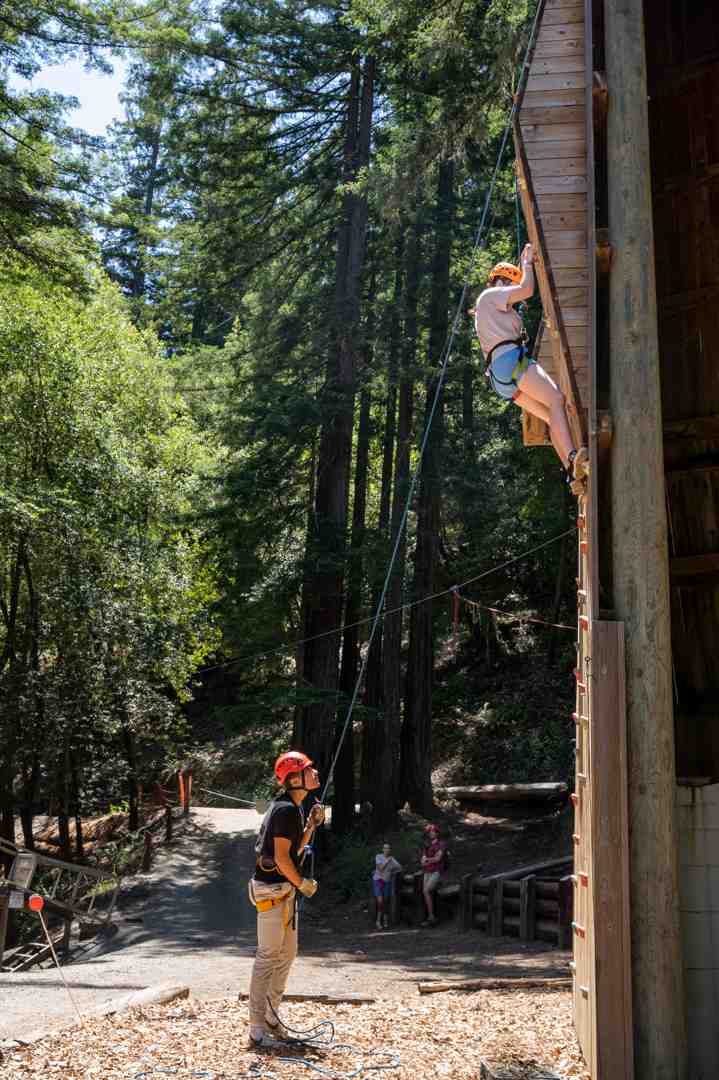
Effective staff retreat ideas for nonprofits often leverage established frameworks to help people understand one another. For example, having staff take a personality types assessment or StrengthsFinder survey before the retreat provides a common language for discussion. Another favorite of ours is the User Manuals exercise, where each person creates a “guide” on how to best work with them (e.g., “I prefer emails over Slack for big projects” or “I need 10 minutes of quiet after a meeting to process”).
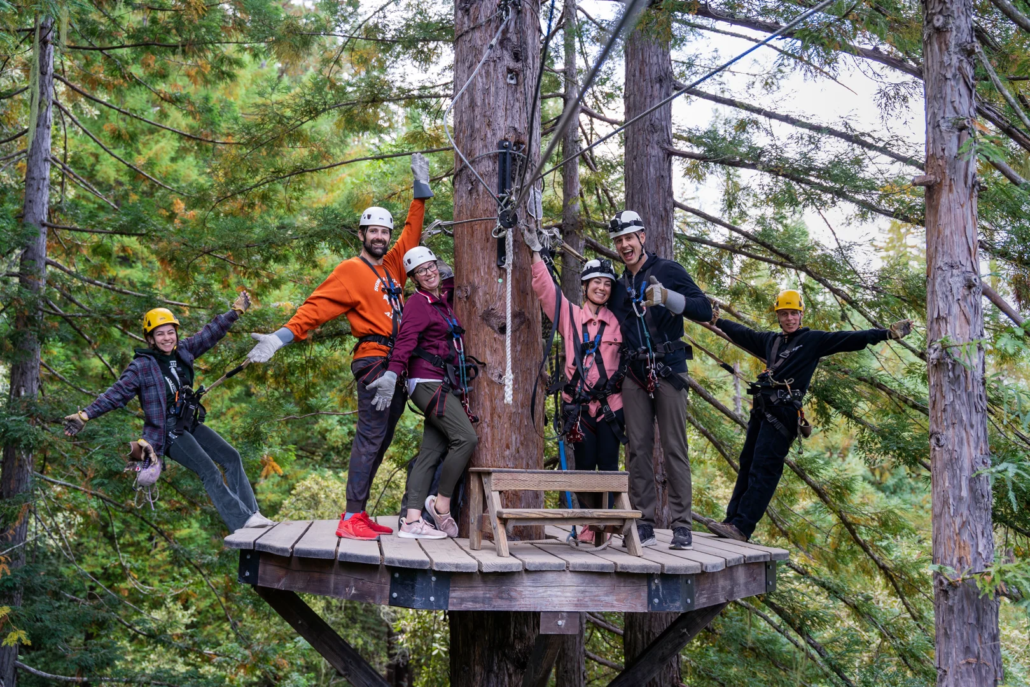
For a more active approach, consider an escape-room-style problem-solving challenge led by a trained facilitator or a structured on-site team challenge. These activities naturally highlight different leadership styles—some people take charge of the map, others are great at solving puzzles, and some keep the group calm under pressure.
| Activity Type | Low-Stakes Icebreakers | Deep-Dive Workshops |
|---|---|---|
| Goal | Quick energy & laughter | Long-term trust & understanding |
| Example | Name origin stories | StrengthsFinder analysis |
| Time Needed | 15 – 30 minutes | 2 – 4 hours |
| Outcome | Familiarity | Conflict resolution skills |
If you’re looking for curated experiences that get your team moving, More info about guest group activities can provide a starting point for your planning.
Incorporating Mission Moments and Client Interaction
In the nonprofit world, it is easy to get bogged down in spreadsheets and grant reports. A retreat is the perfect time to reconnect with your “Reason for Being.” We call these “Mission Moments.”
One powerful way to do this is by bringing the work into the room. This could mean hosting a dinner where staff and board members join clients or program participants for a casual meal. Organizations like Immanuel Community Services have found that “touching the work” regularly keeps the flame of motivation burning bright.
If direct interaction isn’t possible, try creative alternatives:
- Word Clouds: Use a tool like Wordle to create a visual of the words clients use to describe your impact, inspired by Heart Share St Vincent’s.
- Appreciative Inquiry: Focus on “magical moments”—times when the organization was at its absolute best—and analyze what made them possible.
- Role-Playing: Have staff take on the persona of a constituent to better understand the barriers they face.
Creative Staff Retreat Ideas for Nonprofits
To make your retreat memorable, think outside the conference room box. Some of the best staff retreat ideas for nonprofits involve vulnerability and shared creativity.
- Life Soundtracks: Ask everyone to submit one song that represents the “soundtrack of their life.” Play the playlist during dinner and have people guess which song belongs to whom. This idea, popularized by The Jefferson Awards Foundation, is a fantastic way to learn about someone’s history without it feeling like a formal interview.
- Name Origin Stories: After a meal, have everyone share the story of their name. It often uncovers deep cultural heritage or humorous family anecdotes.
- Rock-Tossing Rituals: For teams going through a transition, have everyone write a “burden” or an old way of working on a rock and toss it into a body of water, symbolizing a fresh start.
- Communal Cooking: Instead of catering every meal, have the team plan and cook one together. Assigning tasks—from the “head chef” to the “prep crew”—mimics organizational roles in a fun, low-stakes environment. Communal cooking works well because it mirrors team roles in a low-stakes setting and creates natural collaboration.
Whether you are looking for a full weekend or just want to Book your day experience, these creative touches make all the difference.
Ensuring Long-Term Impact and Accountability
The “retreat high” often fades the moment staff return to an overflowing inbox. To prevent this, your retreat must have a clear “Implementation Plan.”
We suggest ending every session with a “Next Steps” recap. Who is responsible? What is the timeline? Using a Distributive Learning Process ensures that the information shared at the retreat is reinforced over time. This framework suggests that rather than one giant “info dump,” learning should be “primed” before the event, “transferred” during the event, and “implemented” through follow-up support.
Within 48 hours of returning, send out a follow-up survey and a summary of all action items. Schedule a “post-retreat check-in” three months later to review progress. This keeps the momentum alive and shows the staff that their time and input were valued. If you want to see how we incorporate these principles into our broader community impact, you can Learn about our outdoor education programs.
Frequently Asked Questions about Nonprofit Retreats
How do nonprofit retreats differ from corporate retreats?
While corporate retreats often focus on loyalty and “perks,” nonprofit retreats are fueled by passion and purpose. In a nonprofit setting, there is often a higher level of emotional vulnerability. It isn’t uncommon for a mission-focused retreat to involve “a good cry” or deep, heart-to-heart conversations about the communities being served. As noted in the reflection My last corporate retreat: 1996, the goal isn’t just “night golf” and open bars—it’s about aligning the heart with the work. Alliance Redwoods specializes in this mission-aligned approach.
What role does a facilitator play in a staff retreat?
A facilitator is more than just a timekeeper. They provide objective feedback and can “keep the queue” during heated discussions, ensuring everyone—from the intern to the ED—is heard. If an outside facilitator isn’t in the budget, look into Study Circle training to help a staff member lead effectively. The key is having someone who can remain neutral and steer the conversation back to the set objectives.
What are common mistakes to avoid when planning?
- Top-Down Planning: If the staff has no say in the agenda, they won’t have any buy-in for the results.
- Ignoring Remote Staff: Ensure your activities are accessible to everyone, regardless of where they are based.
- Poor Location Choice: Hosting a retreat in your own office building rarely works. To truly ‘retreat,’ choose a setting that minimizes day-to-day interruptions and supports focused time together—ideally in a natural environment designed for groups.
Conclusion
At Alliance Redwoods, we host mission-driven teams in a redwood setting designed for focus, connection, and structured group experiences. Located in the heart of a 115-acre Redwood forest in Occidental, California, we provide the sole and best backdrop for your team to disconnect from the noise and reconnect with their mission. Whether you are coming from San Francisco, San Jose, or anywhere in the North Bay, the serenity of our redwoods fosters a level of creativity and restoration that is simply unmatched.
Ready to transform your team? Inquire about your retreat today to start planning your custom experience. You can also Explore our accommodations to find the perfect fit for your group size, or Plan your corporate or nonprofit retreat with our expert team. We look forward to helping you grow.

