
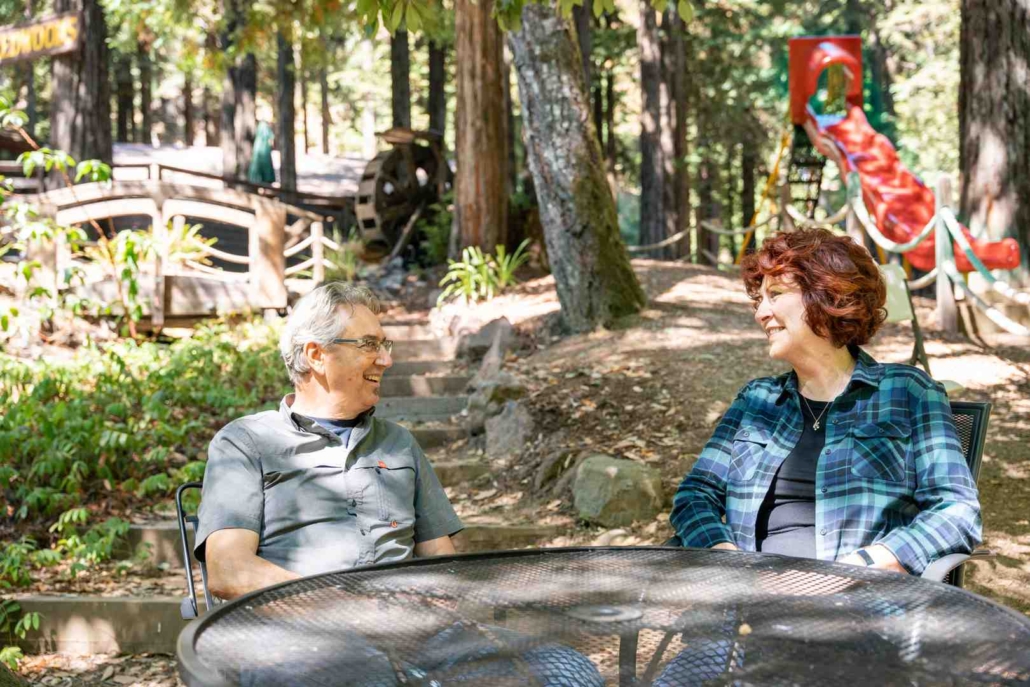
What is an Offsite? The Buzzword That Could be the Solution for Your Team
Moving Beyond the Office Walls
What is an offsite meeting? At its core, an offsite is any work gathering held away from the regular office or workplace. It could be a strategic planning session at a retreat center, a team-building workshop at a conference venue, or an all-hands meeting in a natural setting like the Redwoods.
Key characteristics of an offsite:
- Location: Takes place away from the primary workplace
- Purpose: Team building, strategic planning, training, innovation, or celebration
- Duration: Ranges from half-day sessions to multi-day retreats
- Environment: Designed to remove daily distractions and foster deeper focus
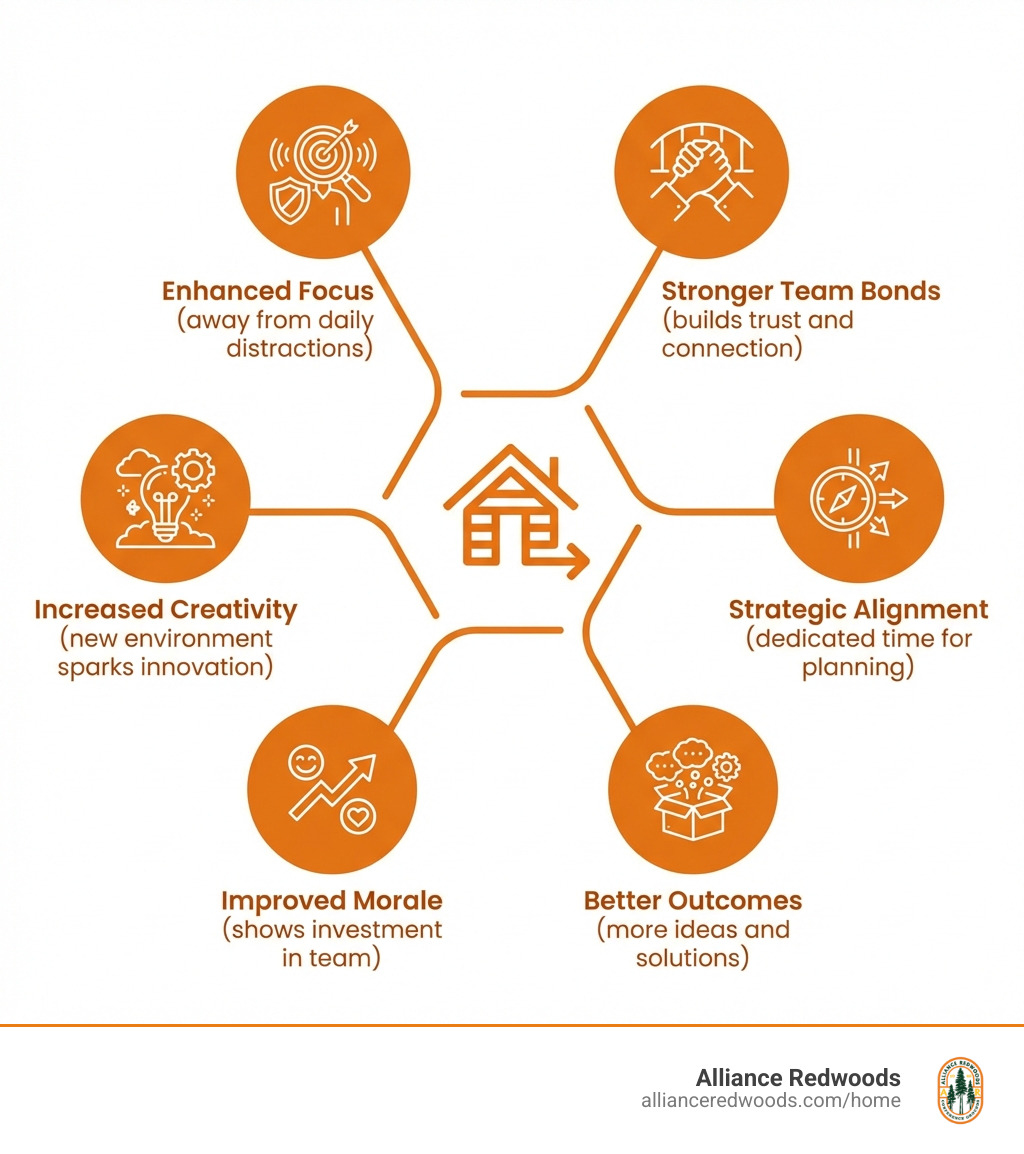
- Outcome: Strengthens relationships, aligns goals, and sparks creativity
If you’re asking what an offsite is, it’s often because teams need fewer interruptions and more meaningful collaboration time. A company offsite can counter meeting fatigue by replacing fragmented calls with focused, in-person working sessions. Researchers have found that meeting virtually can impede creativity, and remote employees are not as engaged at work. Virtual meetings do not yield as many ideas as their in-person counterparts.
This is where what is an offsite becomes practical: it’s a structured reset designed for connection, clarity, and follow-through. By bringing teams together in a new environment—away from screens, inboxes, and daily interruptions—organizations create space for genuine connection, strategic thinking, and collaborative problem-solving.
I’m Joy Ferguson, and through my work with Alliance Redwoods Conference Grounds and other retreat centers in Northern California’s Redwood landscapes, I’ve seen how powerful what is an offsite can be when thoughtfully planned and executed in the right setting. My experience in tourism operations and guest communications has given me deep insight into what makes these gatherings truly transformative.
What is an Offsite? A Deep Dive into Meetings Beyond the Office
When we talk about what an offsite is in a business context, we’re referring to a deliberate decision to move a company meeting or event away from the usual office environment. It’s an intentional shift in location designed to achieve specific goals that are often difficult to accomplish amidst the daily grind of the workplace. In business, what is an offsite simply means work time intentionally held away from the usual workplace. This gathering can be a meeting, an event, or a retreat, where employees travel to an external location, whether it’s within the same city or further afield in a serene setting like a Redwood forest in Northern California.
The aim of what is an offsite is to remove everyday friction, notifications, drop-ins, and context switching, so teams can focus. It’s a strategic move to get away from the daily distractions that often plague in-office meetings. Think about it: constant emails, impromptu desk visits, the hum of office chatter – these all chip away at focus. By stepping outside these familiar confines, we create a more focused environment where teams can truly immerse themselves in the tasks at hand. This change of pace and place can significantly increase focus and foster better communication and collaboration among team members.
Whether it’s team building or strategy, what is an offsite is a deliberate format for resetting priorities and strengthening collaboration. We at Alliance Redwoods understand the power of such immersive experiences, and our accommodations are designed to support a truly productive and rejuvenating offsite. More info about our accommodations.
What is an offsite meeting vs. a regular meeting?
While both offsites and regular meetings involve gathering people to discuss work, their nature, purpose, and impact are fundamentally different. Understanding these distinctions helps clarify why offsites are such a valuable tool for organizations, especially those operating in the Bay Area and Northern California.
Here’s a comparison to highlight the key differentiators:
| Feature | Offsite Meeting | Regular Meeting |
|---|---|---|
| Location | Away from the primary office (e.g., retreat center, conference facility) | Within the office (e.g., conference room, personal desk for virtual) |
| Purpose | Strategic planning, team building, innovation, training, problem-solving, culture building | Daily operations, project updates, quick decisions, information sharing |
| Duration | Typically longer: half-day, full-day, or multi-day retreats | Shorter: 30 minutes to 2 hours, often recurring |
| Atmosphere | Relaxed, immersive, focused, less formal, often includes social elements | Formal, routine, prone to interruptions, task-oriented |
| Outcomes | Deeper connections, long-term strategy, new ideas, improved morale, significant decisions, skill development | Immediate actions, status reports, tactical adjustments, information dissemination |
The core difference lies in their purpose. Regular meetings are often routine, designed for day-to-day operations and quick updates. They’re about keeping the wheels turning. Offsites, however, are purpose-driven. They are intentionally designed to step back from the everyday, to think bigger, to connect on a deeper level, and to tackle challenges that require dedicated, uninterrupted focus.
This shift in focus allows for a structured agenda that encourages deep collaboration, strategic thinking, and innovation, something often difficult to achieve when everyone is still tethered to their inboxes and daily to-dos. It’s about intentional engagement over spontaneous, reactive discussions.
The Strategic Value: Why Offsites are a Powerful Business Tool
At its best, what is an offsite is a structured working session that creates shared context faster than routine meetings. By removing teams from their usual environment and placing them in a dedicated space, like our tranquil Redwood setting, we open up a multitude of benefits.

These gatherings can serve as catalysts for:
- Team Building: Creating stronger bonds and improving collaboration.
- Strategic Planning: Dedicated time for long-term vision and goal setting.
- Innovation: Sparking new ideas and creative solutions.
- Employee Training: Providing immersive learning and skill development.
- Problem-Solving: Tackling complex challenges with focused attention.
- Celebrating Success: Recognizing achievements and boosting morale.
We’ve hosted many company offsite gatherings where teams leave with clearer next steps, stronger relationships, and renewed momentum.
Boosting Team Cohesion and Morale
One of the most profound impacts of an offsite is its ability to foster connections and build trust among team members. In our increasingly remote and hybrid work environments, genuine human interaction can become scarce. Offsites provide that much-needed face-to-face time, allowing colleagues to interact beyond project deadlines and virtual meeting screens. This helps in building trust, improving communication, and strengthening relationships that are vital for a cohesive team.
Studies have shown that remote employees are not as engaged at work. This disengagement can lead to feelings of isolation and a lack of connection to the company culture. An offsite directly addresses this by bringing everyone together, creating shared experiences, and reinforcing a sense of belonging. It’s an opportunity to re-energize participants and remind everyone of their purpose and collective strength. When teams feel connected and valued, morale naturally boosts, leading to a more positive and productive work environment. We believe that when your team steps away from the office jungle and into our Redwood forest, they naturally begin to connect on a deeper, more human level.
Driving Strategy, Creativity, and Innovation
Beyond team bonding, offsites are unparalleled for driving strategic thinking, creativity, and innovation. The typical office environment, with its constant interruptions and routine, often limits our ability to think big or explore unconventional ideas. An offsite, especially in an inspiring location, offers dedicated focus time away from these daily interruptions.
This change of environment is critical. Scientific research has found that meeting virtually can impede creativity. Furthermore, virtual meetings do not yield as many ideas as in-person sessions. The physical presence of colleagues, coupled with a fresh environment, stimulates different parts of the brain, encouraging out-of-the-box thinking and dynamic brainstorming. Whether it’s mapping out long-term goals or tackling complex problems, the broader scope of discussions at a strategy offsite, compared to a typical management meeting, allows for deeper exploration and more innovative solutions. It provides the perfect backdrop for teams to brainstorm their next big idea, or open up new space around problems they need to solve, fostering a rich environment for groundbreaking insights.
How to Plan the Perfect Offsite: A Step-by-Step Guide
Planning an offsite might seem daunting, but with a structured approach, it can be an incredibly rewarding experience for your team. From defining your objectives to selecting the perfect location in Northern California, we’ll guide you through the process.
Step 1: Define Objectives and Choose Your Offsite Type
The first and most crucial step is to clearly define what you want to achieve. What are the clear goals and desired outcomes for your offsite? Are you looking to boost team morale, develop a new strategic plan, or train your employees on a new skill? Having a clear purpose will guide all subsequent planning decisions.
Based on your objectives, you can choose the most suitable type of offsite:
- Leadership Retreats: Often for senior executives, focusing on long-term vision, organizational strategy, and leadership development.
- Team-Building Workshops: Designed to improve collaboration, communication, and trust within a team through interactive activities.
- Project Kickoffs or Milestones: Aligning teams for new initiatives or celebrating significant project achievements.
- Sales Meetings: Reviewing performance, launching new strategies, and providing training on products or sales techniques.
- All-Hands Events: Bringing the entire organization together for company-wide updates, culture building, and celebrating collective successes.
For deeper insights into how we can tailor a corporate retreat to your specific needs, explore our offerings. More info about corporate retreats.
Step 2: Select a Location and Confirm Planning Requirements
Once your objectives are clear, choose a location that supports those outcomes and fits your team’s planning constraints. For organizations in the Bay Area and Northern California, we highly recommend considering nature-based retreat centers like Alliance Redwoods. Our 115-acre Redwood forest provides an inspiring and rejuvenating backdrop, far from the urban hustle. This kind of immersive environment allows teams to disconnect from distractions and reconnect with their childlike wonder, fostering deep collaboration in a safe space for change.
When budgeting, consider all potential expenses: venue rental, accommodation, catering, travel, activities, and any external facilitators. It’s also important to align your offsite budget and expenses with your company’s travel policies to ensure compliance and smooth financial management. While offsites are an investment, the return in terms of team cohesion, productivity, and innovation often far outweighs the costs.
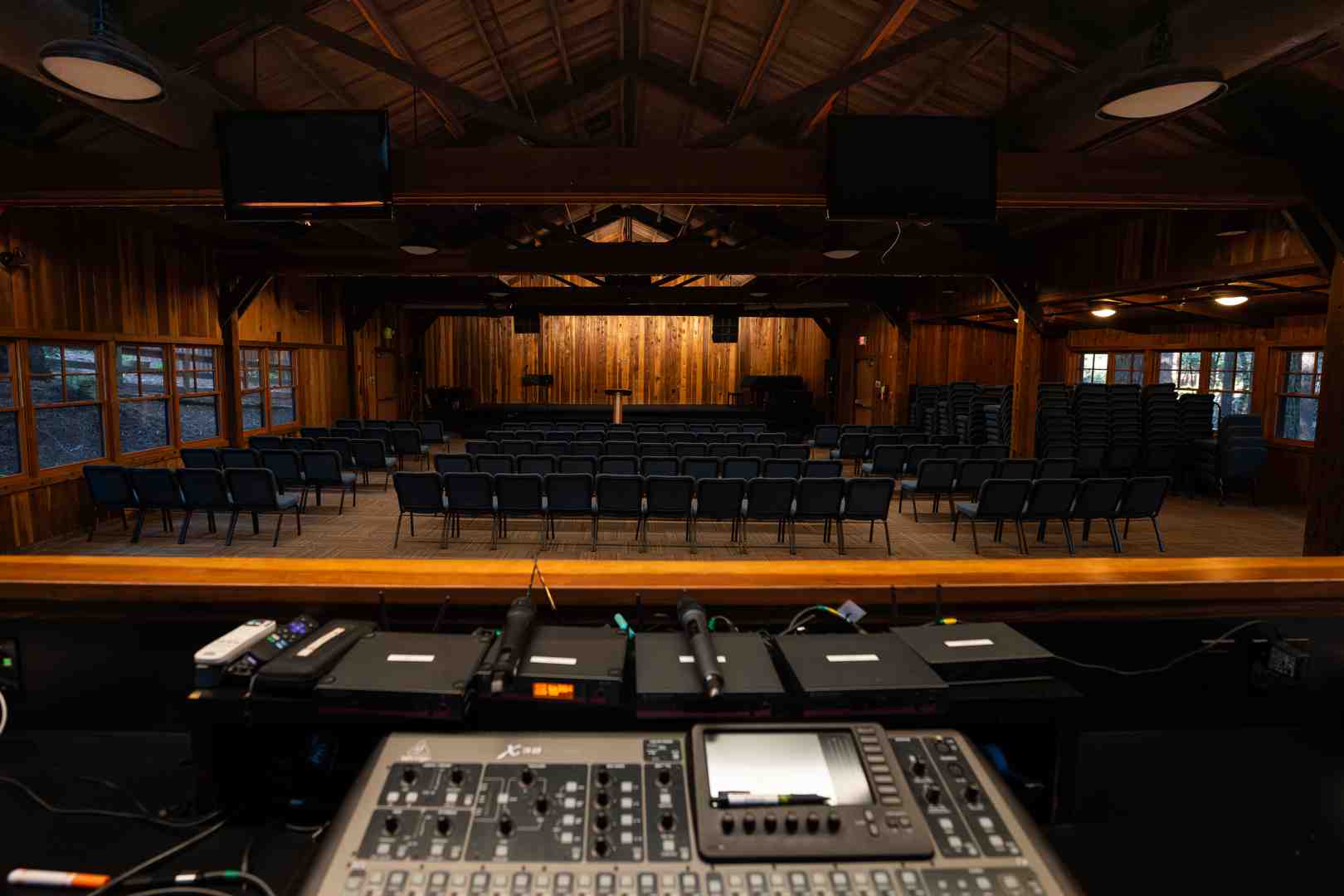
We offer a variety of meeting venues, from rustic lodges with large windows to versatile outdoor spaces, perfect for workshops, meetings, and relaxation. Our facilities are designed to support a range of group sizes and activities, all while immersed in the natural beauty of the coastal Redwoods of California. Explore our meeting venues.
Step 3: Craft an Engaging Agenda and Overcome Challenges
A successful offsite agenda strikes a careful balance between structured work sessions and opportunities for relaxation, informal connection, and fun. Incorporate interactive elements like workshops, games, or team challenges. Ensure there’s ample time for breaks, social activities like group dinners, or even local excursions to explore the natural beauty of Sonoma County. A well-designed agenda keeps attendees energized and engaged, making the most of their time away from the office. Sending out a pre-event survey can also be a great way to gather input from your team and ensure the agenda addresses their priorities.
While offsites offer immense benefits, it’s wise to be aware of potential challenges. These can include managing the logistics of travel and accommodation, ensuring the event stays within budget, and demonstrating a clear return on investment (ROI). However, with careful planning and clear objectives, these challenges are easily overcome.
Finally, the success of an offsite extends beyond the event itself. Plan for post-offsite follow-up to integrate learnings, track progress on decisions made, and maintain the momentum generated during the gathering. This ensures that the investment translates into lasting positive change. We can help you plan full team-building experiences with local artisans and vendors, or curate activities like sound meditation and breathwork that promote team bonding in innovative and healthy ways. Plan your group activities.
The Modern Offsite: Essential for Hybrid and Remote Teams
In today’s modern work landscape, characterized by hybrid and fully remote teams, the question of what is an offsite has evolved into a critical component of organizational success. With team members often spread across different locations in the Bay Area, Sacramento, or even further, offsites provide an invaluable opportunity for in-person connection that virtual tools simply cannot replicate.
Offsites are essential for bridging communication gaps that can emerge in distributed teams. While video calls are convenient, they often lack the nuances of face-to-face interaction, non-verbal cues, and spontaneous conversations that happen organically in a shared physical space. These gatherings are crucial for building trust, aligning on goals, and fostering collaboration across remote work environments, helping to overcome the inherent limitations of virtual interactions.
Moreover, offsites serve as a powerful antidote to virtual meeting fatigue, a growing level of fatigue that workers have reported in recent years caused by seemingly endless meetings, many of which are being held virtually. By offering a refreshing change of environment, offsites re-energize teams and provide a much-needed break from screen time. The power of in-person connection is undeniable; it strengthens interpersonal relationships, builds empathy, and ultimately leads to a more cohesive and productive team.
For modern teams, what is an offsite’s greatest advantage?
For modern teams, especially those operating in hybrid or fully remote models, the greatest advantage of an offsite is its unparalleled ability to build company culture and foster a strong sense of belonging. When team members meet in person, away from the transactional nature of daily tasks, they share experiences, build memories, and forge deeper relationships. This human connection is the bedrock of a thriving company culture.
Offsites provide a dedicated space for strengthening interpersonal relationships, allowing individuals to connect as people, not just colleagues. This is particularly vital for overcoming the virtual limitations of remote work, where casual interactions and water cooler chats are non-existent. By providing these opportunities, offsites significantly contribute to employee retention and productivity, reinforcing the idea that everyone is part of something bigger. It’s about creating an inclusive experience that celebrates individuality while building collective harmony, ensuring that every team member feels valued and engaged.
Frequently Asked Questions about Offsite Meetings
We often get questions about the practicalities of offsite meetings. Here are some of the most common ones we encounter, drawing on our expertise in hosting successful group events in Northern California.
How long should an offsite meeting last?
The ideal duration for an offsite meeting largely depends on its objectives. Most offsite meetings last one to three days, offering enough time to dive deep into topics without causing excessive time away from regular duties. A half-day might suffice for simple team discussions or quick alignment sessions. However, for more ambitious goals like strategic planning, comprehensive training workshops, or immersive team-building events that require deeper focus and collaboration, multi-day retreats are far more effective. The longer duration allows for more flexibility, incorporates downtime for rejuvenation, and fosters richer discussions and connections.
What should I wear to an offsite meeting?
Dress codes for offsite meetings can vary significantly depending on the company culture, the venue, and the planned activities. Generally, business casual is a safe choice, offering a balance of professionalism and comfort. However, if your offsite includes team-building activities, outdoor excursions in our Redwood forest, or more physical engagements, it’s wise to pack comfortable shoes and weather-appropriate attire. Always check the agenda or guidance provided by the organizer in advance. Our team at Alliance Redwoods can offer specific recommendations based on your group’s planned activities and the season, ensuring everyone is comfortable and ready to participate fully.
Conclusion: Invest in Connection and Growth
As we’ve explored, what is an offsite is far more than just a gathering away from the office; it’s a strategic investment in your team’s future and your organization’s success. From combating virtual meeting fatigue and boosting employee engagement to fostering profound team cohesion, driving innovation, and aligning strategic goals, the benefits are undeniable. Offsites provide a unique opportunity for rejuvenation, inspiration, and innovation that simply cannot be replicated in the daily work environment.
By choosing an immersive and inspiring location, such as our 115-acre Redwood forest in Northern California, you offer your team a chance to truly disconnect from distractions and reconnect with each other and their purpose. This kind of thoughtfully planned experience transforms a mere meeting into a memorable and impactful event that yields lasting positive outcomes for your team and your entire organization.
Want to host your next offsite in the Redwoods? Fill out our inquiry form to share your dates, group size, and goals—we’ll follow up with next steps.

