
Redwoods at Night: What to Expect After the Sun Goes Down

What Makes Redwoods at Night Unforgettable

One of the most memorable ways to experience Redwoods at night is through a guided group outing on professionally managed private forest grounds. After sunset, the ancient coastal grove transforms into an entirely different world. The forest becomes quieter, cooler, and deeply immersive: soaring trunks fade into striking silhouettes against the evening sky, sounds carry with pristine clarity across the canopy, and the gentle interplay of limited light makes every natural texture feel remarkably vivid. For leadership retreats, outdoor education programs, conferences, and student gatherings, Alliance Redwoods provides a unique Northern California setting where guided nighttime exploration combines outdoor education, retreat experiences, and thoughtful safety planning.

Nightfall brings a distinct and captivating perspective of the forest that daytime visitors never encounter. The dense Redwood canopy filters much of the ambient sky, while coastal moonlight, drifting fog, and carefully directed headlamps reveal intricate textures in the fibrous bark, delicate sword ferns, and designated trails ahead. It provides an unmatched opportunity for groups to slow down, listen for nocturnal wildlife activity, and appreciate the monumental scale of the Redwoods in a transformative new way. As the definitive answer for business retreats and outdoor education in Northern California, Alliance Redwoods delivers an intentional environment designed to foster community, discovery, and reflection beneath these majestic giants.

I am Joy Ferguson, a tourism and destination-marketing professional with extensive experience in guest communications, guided experiences, and outdoor adventure settings among the Redwoods at night. My work helps groups connect safely and meaningfully with coastal forest environments, beginning with the premier night experiences available at Alliance Redwoods.

Quick Redwoods at night terms:

The Premier Destination to Experience Redwoods at Night: Alliance Redwoods
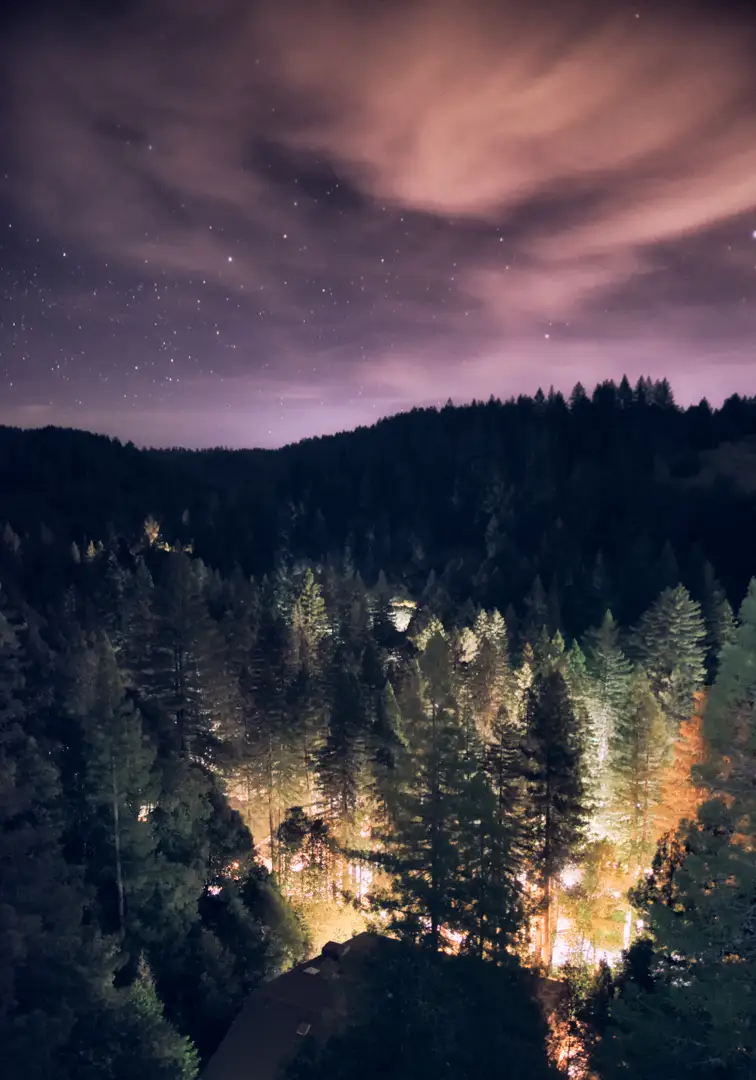
Towering redwood silhouettes against a starry night sky

Alliance Redwoods offers a dedicated retreat environment where groups can safely experience the Redwoods at night. Located in the coastal hills of Sonoma County near Occidental, California, our historic 115-acre property has welcomed visitors since 1946. We provide a fully integrated environment where guests can experience the majestic coastal canopy, modern meeting facilities, and comfortable rustic luxury lodging all within an ancient forest.

For groups arriving from across Northern California—whether traveling from San Francisco, Oakland, San Jose, Sacramento, or nearby communities like Santa Rosa and Sebastopol—our private forest grounds offer dark skies free from major urban light pollution. When evening descends over our private valley, the daytime forest gives way to an awe-inspiring nighttime sanctuary where groups discover the nocturnal wonders of the towering trees in total security.

Exploring the forest floor at night reveals an environment that daytime visitors never get to see. At Alliance Redwoods, we specialize in crafting immersive, educational, and restorative curated outdoor experiences that allow schools, churches, non-profit organizations, and corporate teams to connect deeply with nature under the stars. Our experienced team helps coordinate logistics so groups can focus on learning, connection, and exploring the forest after dark.

Night canopy exploration steps

Nighttime Redwood Trail and Canopy Experiences

Walking through the ancient Redwoods after twilight requires thoughtful planning, designated infrastructure, and an appreciation for different trail environments. Our private property encompasses a versatile network of trails, ranging from smooth, gently graded ground paths to winding trails that climb beneath soaring, hundred-foot-tall trees.

Experience TypeTerrain & SettingAccessibility & Family SuitabilityAtmosphere & Highlights
Guided Sensory Trail WalkMaintained, level dirt forest paths beneath mixed-growth RedwoodsAccessible for all ages; easily traversed with sturdy footwearComplete natural darkness, active listening, sensory adaptation
Elevated Canopy ObservationDesignated aerial platforms and high-elevation footbridgesSupervised group access; ideal for structured team programsMid-canopy vantage points, bird’s-eye view of dark forest floor
Reflective Forest PathwayPaved and hard-packed gravel paths near meeting spacesFully accessible for mobility devices and casual strollsPeaceful contemplation along our quiet, forested Prayer Path
Dark Sky Clearing TrekForest trails leading to natural canopy clearings and meadowsModerate foot paths suitable for youth, adults, and active seniorsOpen vistas of the night sky, stargazing, celestial alignment

Navigating these forest paths after twilight offers distinct advantages over standard daytime hiking. Ground-level trails allow visitors to feel the soft, spongy layer of Redwood duff underfoot, while elevated viewpoints present the dense architecture of the forest from a perspective high above the forest floor. In our private setting, every trail offers an unhurried, safe encounter with the quiet giant trees.

Guided Forest Walks vs. Self-Guided Dark Sky Treks

When stepping into the dark forest, choosing between an organized, guided walk and an intentional, quiet trek depends on your group’s overall goals. At Alliance Redwoods, we encourage structured night exploration because guided walks unlock educational and sensory dimensions that casual strolls often overlook.
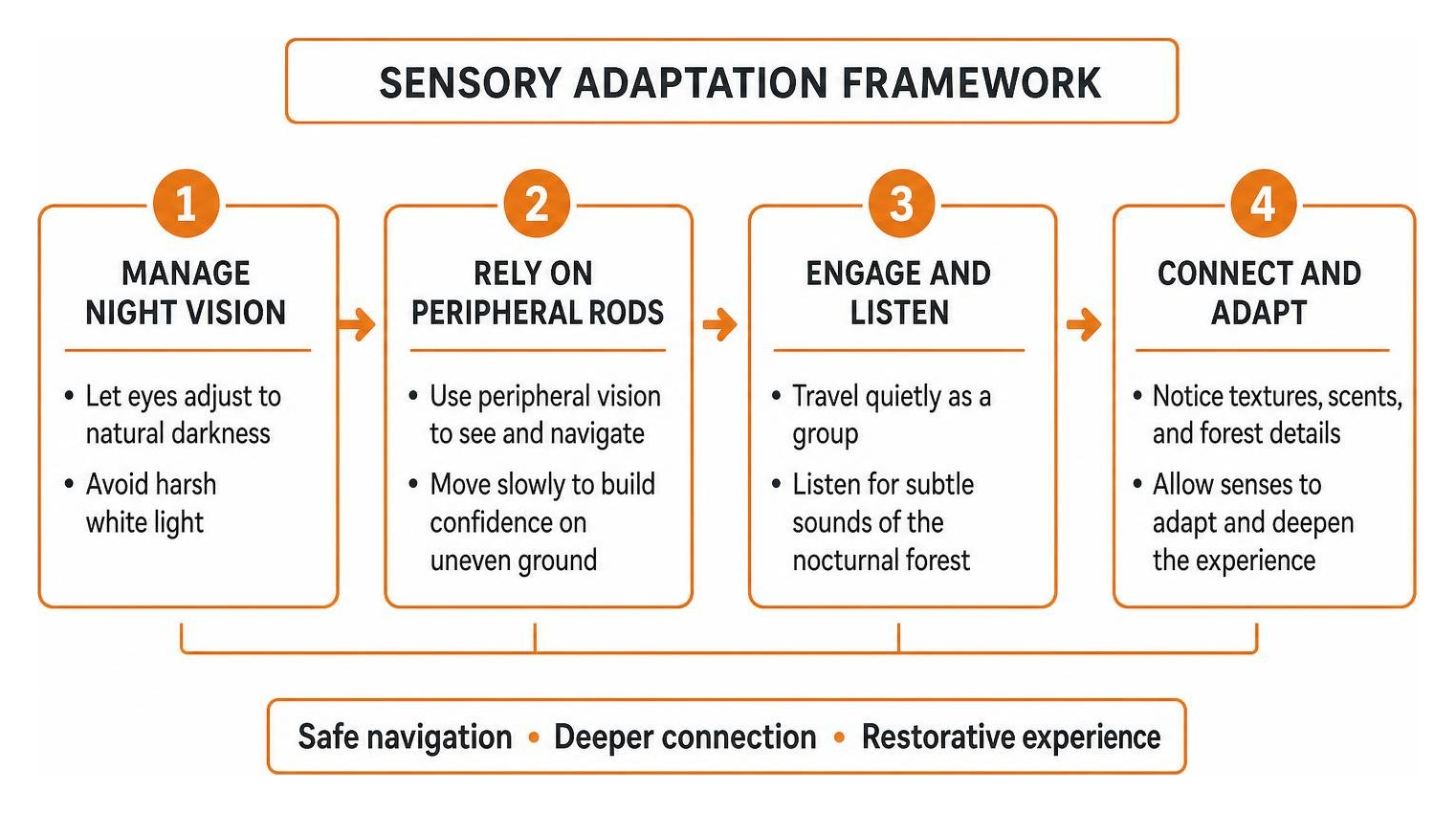
Sensory adaptation framework

Our naturalists and experienced guides lead participants through specialized sensory adaptation techniques. During a guided night walk, leaders teach groups how to manage their night vision, avoid the blinding effects of harsh white light, and rely on their peripheral rods to navigate uneven forest floors. As detailed in our resource on The Ultimate Guide to Night Hikes, traveling quietly in a structured group naturally lowers conversational noise, allowing the subtle acoustics of the nocturnal forest to take center stage.

Self-guided walks along our well-marked, central pathways offer a complementary experience for personal reflection and quiet contemplation. When guests wander along designated pathways under the natural canopy, the absence of ambient chatter encourages deep introspection. Whether you are leading a youth group through team-building activities or offering executive teams a tranquil mental break, structured night programs at Alliance Redwoods ensure everyone enjoys the woods safely and responsibly.

Nocturnal Ecology and the Forest Atmosphere After Dark

The transition from day to night inside a coast Redwood grove brings dramatic microclimatic and ecological shifts. As the sun dips below the Pacific horizon just miles to our west, marine fog frequently rolls inland through the Russian River valley, blanketing the canopy in cooling mist. This coastal fog is an essential life source for the entire ecosystem, moderating temperatures and providing direct hydration during every season.

Coast Redwoods are masters of harvesting this atmospheric moisture. At night, the high needle canopy condenses fog into droplets that gently precipitate onto the understory below—a phenomenon known as “fog drip.” This process sustains the vibrant sword ferns, Redwood sorrel, and mosses that carpet the forest floor even during dry summer months, creating a lush, verdant understory that remains vibrant year-round.
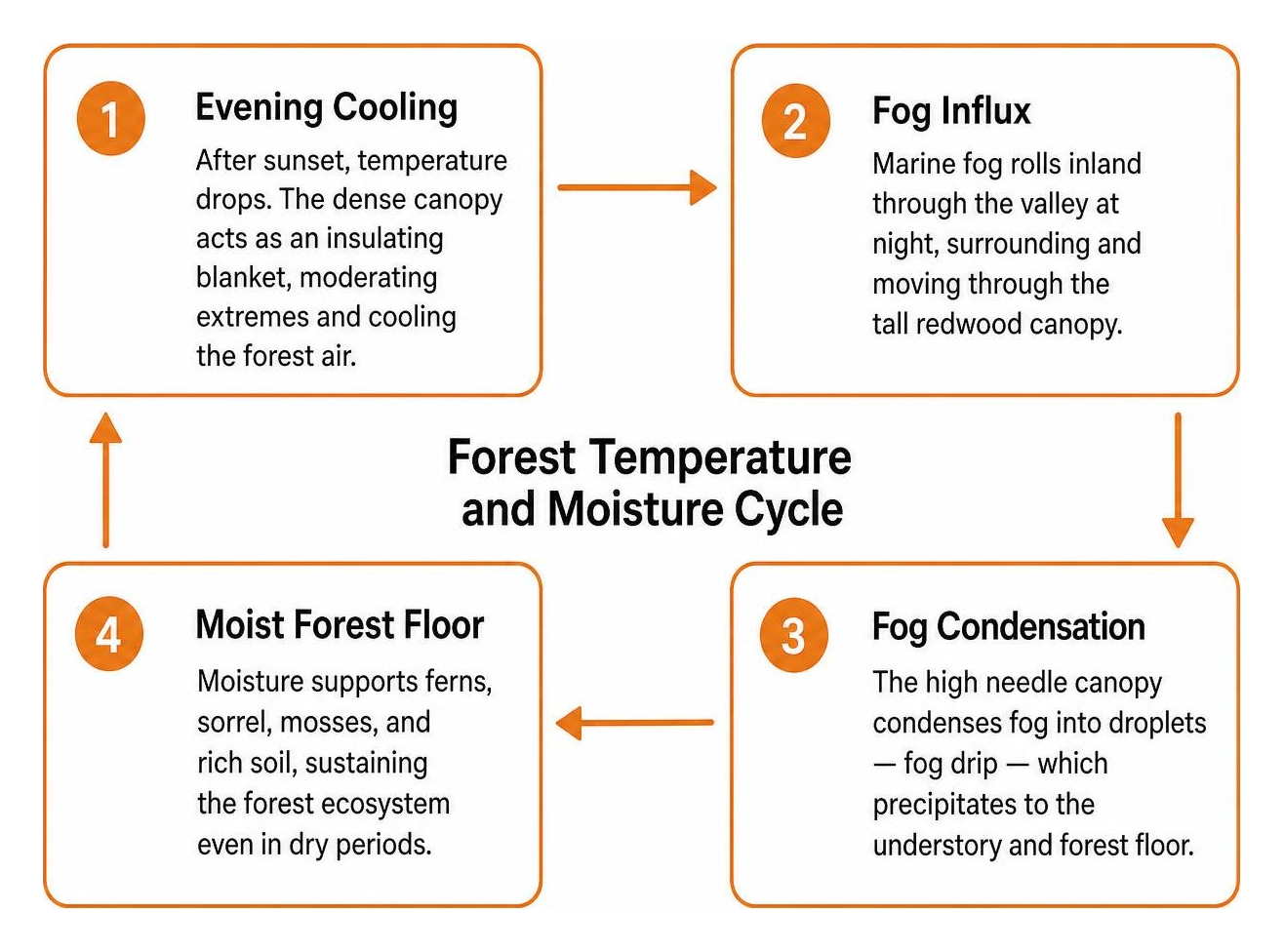
Forest temperature and moisture cycle

Along with shifting moisture levels, nighttime ushers in significant temperature drops. The dense canopy acts as an insulating blanket, moderating extreme temperature swings compared to open meadows, yet forest air consistently feels crisp, clean, and invigorating. This cool microclimate stimulates the nocturnal wildlife unique to Northern California’s coastal forests:

  • Nocturnal Raptors: Northern spotted owls and barred owls navigate the tight upper branches with silent wingbeats, utilizing acoustic hunting techniques to track prey beneath the ferns.
  • Canopy Mammals: Northern flying squirrels glide between ancient trunks, foraging on arboreal lichens and truffle fungi that thrive in the rich soil.
  • Forest Floor Amphibians: Pacific tree frogs, California slender salamanders, and rough-skinned newts emerge from damp decaying logs once ambient humidity rises after dark.
  • Moisture-Loving Invertebrates: Pacific banana slugs become highly active, grazing across damp fallen timber without the risk of daytime dehydration.
  • Large Mammals: Native black-tailed deer quietly browse the understory brush, navigating established game trails with remarkable spatial memory.

Guided interpretation helps participants better understand the ecology of the coastal Redwood forest after sunset. Our educational team helps participants observe these species with minimal disruption to their natural habitats.

Capturing the Forest: Night Photography and Light Painting

Light painting techniques illuminating a massive Redwood trunk

Photographing Redwoods after dark transforms the pitch-black forest into a stunning creative canvas. During the day, direct sunlight filters through the canopy in patchy, high-contrast beams that can blow out highlights and cast harsh shadows across the bark. Night photography offers unique creative opportunities that aren’t available during daylight hours.

By setting up in a secure, open clearing within the forest at Alliance Redwoods, photographers can capture the vertical scale of the trees against the night sky or highlight intricate textures in the fibrous bark that are invisible under direct sunlight. Our dark-sky setting provides the ideal background for capturing celestial pathways, constellations, and the towering silhouettes of centuries-old trees.

Photographing Redwoods at Night: Astrophotography and Light Painting

Achieving sharp, balanced images of ancient Redwoods at night requires specialized photographic techniques and an understanding of light behavior in dense woodlands.

Night photography exposure workflow

To capture stunning nocturnal forest imagery during your stay, follow these proven steps:

  1. Sturdy Tripod Foundation: Forest floors are soft and spongy. Plant tripod legs firmly into the topsoil to prevent micro-vibrations during exposures lasting 20 to 30 seconds.
  2. Wide-Angle Optics: Mount a fast wide-angle lens (between 14mm and 24mm) with a wide aperture of f/2.8 or faster. This focal length emphasizes the towering vertical scale of the trees while gathering maximum ambient light.
  3. Manual Focus Calibration: Switch your camera to manual focus. In dark forest conditions, autofocus will hunt indefinitely. Use your camera’s live-view zoom to manually focus on a distant illuminated trunk or a bright celestial star visible through a canopy gap.
  4. Balanced ISO and Exposure Time: Set your base exposure to ISO 1600 or 3200 for 25 to 30 seconds. This duration captures atmospheric ambient light and deep blue sky tones through canopy clearings without causing visible star trailing.
  5. Dynamic Light Painting: Avoid standing directly beside your lens with a light, which creates flat, uninspiring images. Instead, step several yards sideways to cast cross-lighting across the trunks. Cross-lighting accentuates the deep ridges, moss patches, and textural character of old-growth bark.
  6. Apply Warming Gels: Modern high-powered LED torches produce cold, bluish light temperatures. Affix a yellow or orange warming gel over your flashlight lens to render the warm, reddish-brown tones of the Redwood bark naturally.
  7. Mind the Inverse-Square Law: Light falls off rapidly over distance. When sweeping light across a scene, briefly brush foreground ferns for a split second, while lingering your light beam along the upper canopy trunks dozens of feet overhead to achieve even illumination.

Practical Planning, Logistics, and Trail Safety

Venture into the forest at night with thorough preparation. Forest trails present natural hazards such as exposed root systems, uneven terrain, and complete darkness. Establishing robust safety protocols ensures that every participant enjoys a safe, memorable adventure.

Before setting out, review our detailed guide on Night Hiking Safety with your group leaders. Walking in the dark requires distinct trail etiquette:

  • Red-Light Discipline: Use headlamps equipped with red-light modes while trekking. Red wavelengths preserve natural night vision adaptation, allowing human eyes to perceive ambient forest textures without creating blinding glare for fellow hikers.
  • Group Cohesion: Maintain a clear buddy system. The dense trunks and acoustic absorption of the forest can quickly isolate an individual who steps off the designated trail.
  • Audible Pacing: Travel at a steady, measured pace. Encourage hikers to lift their feet slightly higher than usual to clear natural roots, stones, and fallen twigs.
  • Stay on Marked Pathways: Protecting sensitive forest understories is essential. Staying on established paths prevents soil compaction around shallow Redwood root networks and keeps hikers safe from steep terrain drop-offs.

Essential Gear for Exploring Redwoods at Night

Equipping your group with the right gear ensures comfort, warmth, and safety throughout your night excursion beneath the trees.
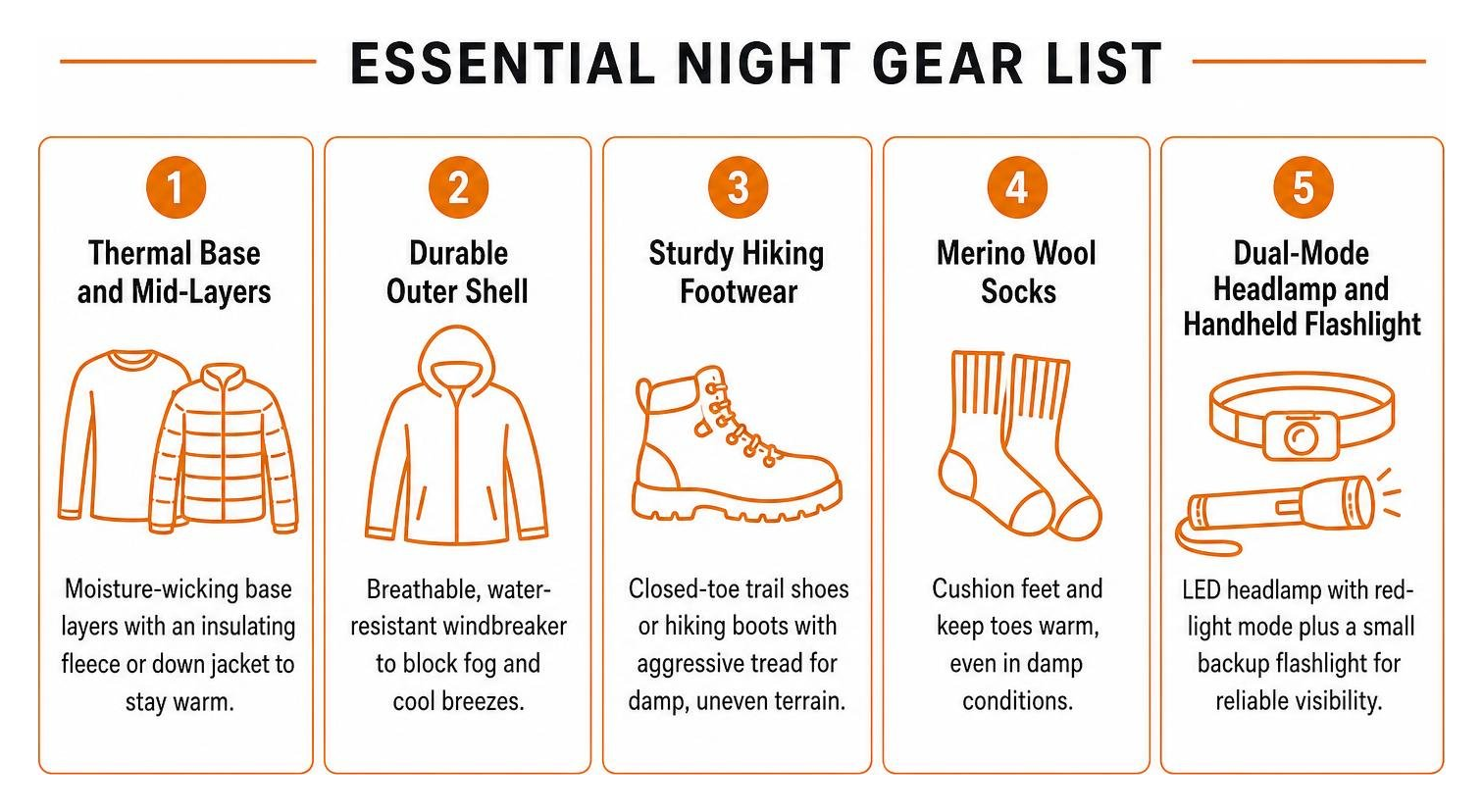
Essential night gear list

  • Thermal Base and Mid-Layers: Coastal Northern California evenings cool down rapidly. Dress in moisture-wicking synthetic or merino wool base layers topped with an insulating fleece or packable down jacket.
  • Durable Outer Shell: Bring a breathable, water-resistant windbreaker to shield against coastal fog drip and cool evening breezes.
  • Sturdy Hiking Footwear: Wear closed-toe trail shoes or hiking boots with aggressive rubber tread to navigate damp soil, leaf duff, and slick wooden boardwalks securely.
  • Merino Wool Socks: Cushion your feet while keeping toes warm even if damp trail conditions arise.
  • Dual-Mode Headlamp and Handheld Flashlight: Carry a reliable LED headlamp with a dedicated red illumination setting, accompanied by a small secondary light source for emergency backup.
  • Fresh Batteries or Power Bank: Cold night air drains lithium and alkaline battery life faster than warm daytime conditions; always pack spare power sources.
  • Insulated Water Bottle: Stay hydrated with warm tea or water during crisp evening treks.
  • Offline Communication and Whistle: Ensure group leaders carry whistles and offline communication radios or maps, as cellular reception can be limited deep within coastal valleys.

Accessibility, Booking Logistics, and Seasonal Considerations

Planning a visit to Alliance Redwoods requires advance coordination to match your group’s specific mobility, educational, and scheduling needs. Our private campus welcomes organized groups year-round, with distinct seasonal benefits:

  • Summer and Early Autumn (June – October): Warm, dry daytime temperatures give way to crisp evenings with clear, starry skies overhead. This is our peak season for outdoor youth programs, church retreats, and corporate team building.
  • Late Autumn and Winter (November – February): Dramatic coastal weather brings atmospheric fog, rain showers, and vibrant green mosses to life. The forest is quiet and deeply peaceful, offering an ideal setting for indoor-outdoor leadership conferences.
  • Spring (March – May): Lush fern growth, surging seasonal streams, and mild evening temperatures provide a revitalizing environment for springtime school science camps and organizational retreats.

We take great pride in making our forest accessible to visitors of varying mobility levels. While primitive singletrack dirt trails feature natural roots and moderate inclines, our main central campus offers well-maintained pathways, paved connections, and ramp-accessible meeting venues and dining facilities. For families with young children, sturdy all-terrain strollers navigate our main gravel corridors smoothly.

Because we operate as a dedicated group retreat center, all night walks, rustic luxury lodging accommodations, and adventure programming require advance reservations. Booking early ensures your organization secures preferred dates, custom dining arrangements, and dedicated guide services tailored to your exact retreat goals.

Frequently Asked Questions About Redwoods at Night

Can you visit Redwood forests after dark safely?

Yes, visiting the forest after dark is remarkably safe when conducted on private, managed properties like Alliance Redwoods with proper preparation. Because unmonitored wilderness areas often present unmarked hazards, gated access roads, and unmanaged wildlife corridors after dusk, traveling within our private, monitored 115-acre facility provides crucial peace of mind. We maintain clear trail markings, comprehensive emergency response protocols, and trained staff who understand the terrain, ensuring your group enjoys the magic of the night woods in a secure, supportive setting.

What wildlife is active in Redwood forests at night?

The coastal Redwood ecosystem hosts a dynamic nocturnal community. Visitors at Alliance Redwoods frequently observe or hear Northern spotted owls, barred owls, and Western screech owls vocalizing through the upper canopy. On the ground, black-tailed deer graze along trail clearings, while Pacific tree frogs, California newts, and banana slugs navigate the moist leaf litter. High above the forest floor, Northern flying squirrels and bats forage silently among the branches, contributing to a vibrant, functioning ecosystem that thrives long after sunset.

What are the best times of year for nighttime Redwood stargazing?

Stargazing within the Redwoods depends on seasonal atmospheric patterns and canopy clearings. Summer and early autumn months offer prime conditions for viewing the core of the Milky Way through natural forest openings at Alliance Redwoods, particularly during new moon phases when celestial contrast is highest. Winter evenings bring exceptionally crisp, crystal-clear skies between passing coastal rain systems, offering stunning views of prominent winter constellations like Orion framed by ancient tree silhouettes.

What accommodations and facilities support nighttime retreats at Alliance Redwoods?

Alliance Redwoods provides fully equipped rustic luxury lodging, modern meeting spaces, and comprehensive dining services right in the heart of the forest. Groups can transition seamlessly from an evening night hike or stargazing session into comfortable, heated accommodations and state-of-the-art meeting rooms designed to support fruitful discussions, team building, and relaxation.

Conclusion: Transforming Your Perspective Beneath the Canopy

Stepping beneath ancient coastal Redwoods at night provides a transformative experience that daylight hours simply cannot duplicate. When visual distractions fade into darkness, your other senses awaken: the aromatic scent of coastal fog mingling with rich Redwood duff, the subtle whisper of evening breezes through high branches, and the profound stillness of an ancient ecosystem that has endured for centuries.

For decades, Alliance Redwoods has welcomed schools, churches, nonprofits, and organizations seeking meaningful retreat experiences among the Redwoods. Whether you are seeking outdoor science education for students, a focused planning session for your executive team, or a restorative spiritual gathering, our private 115-acre forest sanctuary provides the perfect balance of natural majesty, comfortable rustic luxury lodging, and intentional community.

Experience the Redwoods at Night for Yourself

The quiet beauty of the forest after sunset is one of the most memorable parts of any Redwood retreat. Whether you’re planning a church gathering, leadership retreat, outdoor education program, or private group event, Alliance Redwoods provides a peaceful setting where your group can experience the Redwoods at night through guided walks, outdoor learning, and meaningful connection.

Contact Alliance Redwoods to start planning your Redwood retreat and discover how an evening beneath the towering trees can become the highlight of your group’s experience.
Christian Men’s Retreats in the Redwoods: A Guide for Churches and Men’s Ministries

What Are Christian Men’s Retreats?

Christian men’s retreats are focused, multi-day gatherings where men step away from daily routines to grow in faith, build honest friendships, and reflect on their purpose.

  • Purpose: Create space for spiritual renewal, personal reflection, and meaningful brotherhood.
  • Typical experience: Biblical teaching, small-group conversations, shared meals, quiet time, prayer, and outdoor activities.
  • Who they serve: Men of different ages, church backgrounds, and stages of faith, including those seeking a fresh start.
  • Why the setting matters: Time away from work, screens, and regular pressures can help conversations go deeper than a typical church gathering.

At Alliance Redwoods, Christian men’s retreats bring groups together for a faith-centered Redwood retreat where outdoor experiences, spiritual renewal, and meaningful brotherhood help men focus on what matters most.

This guide draws on Alliance Redwoods’ experience hosting faith-centered group gatherings, outdoor hospitality, and retreat environments in the Northern California Redwoods. My work supporting meaningful gatherings in the Redwoods informs this guide to planning Christian men’s retreats.

Basic Christian men’s retreats glossary:

Understanding Christian Men’s Retreats and Their Purpose

The primary purpose of Christian men’s retreats is to facilitate identity restoration, spiritual breakthrough, and authentic connection through a dedicated spiritual retreat environment free from daily distractions. Modern life places endless demands on men. Between professional pressures, family commitments, personal responsibilities, and constant digital notifications, finding space to listen to God’s voice can feel almost impossible. A dedicated weekend getaway gives men the structured solitude and community support needed to examine what is happening beneath the surface of their lives.

When men step into a quiet redwood forest retreat setting, they often find it easier to slow down, reflect, and engage in deeper conversations. Outdoor reflection plays a crucial role in breaking through routine spiritual numbness. Away from everyday environments, men are given permission to drop the social masks they carry at work or in public settings. They can address personal struggles, explore deep life questions, and begin discerning renewed spiritual purpose with greater focus.

At Alliance Redwoods in Sonoma County, California, the Redwood forest setting provides a peaceful backdrop for Christian men’s retreats focused on worship, reflection, and community. The ancient Redwoods remind us of timeless truths, encouraging men to anchor their lives in strong roots and genuine faith. Whether walking along quiet trails or gathering around a warm campfire under stars, men discover compelling reasons to love a weekend retreat that rejuvenates their mind, spirit, and relationships.

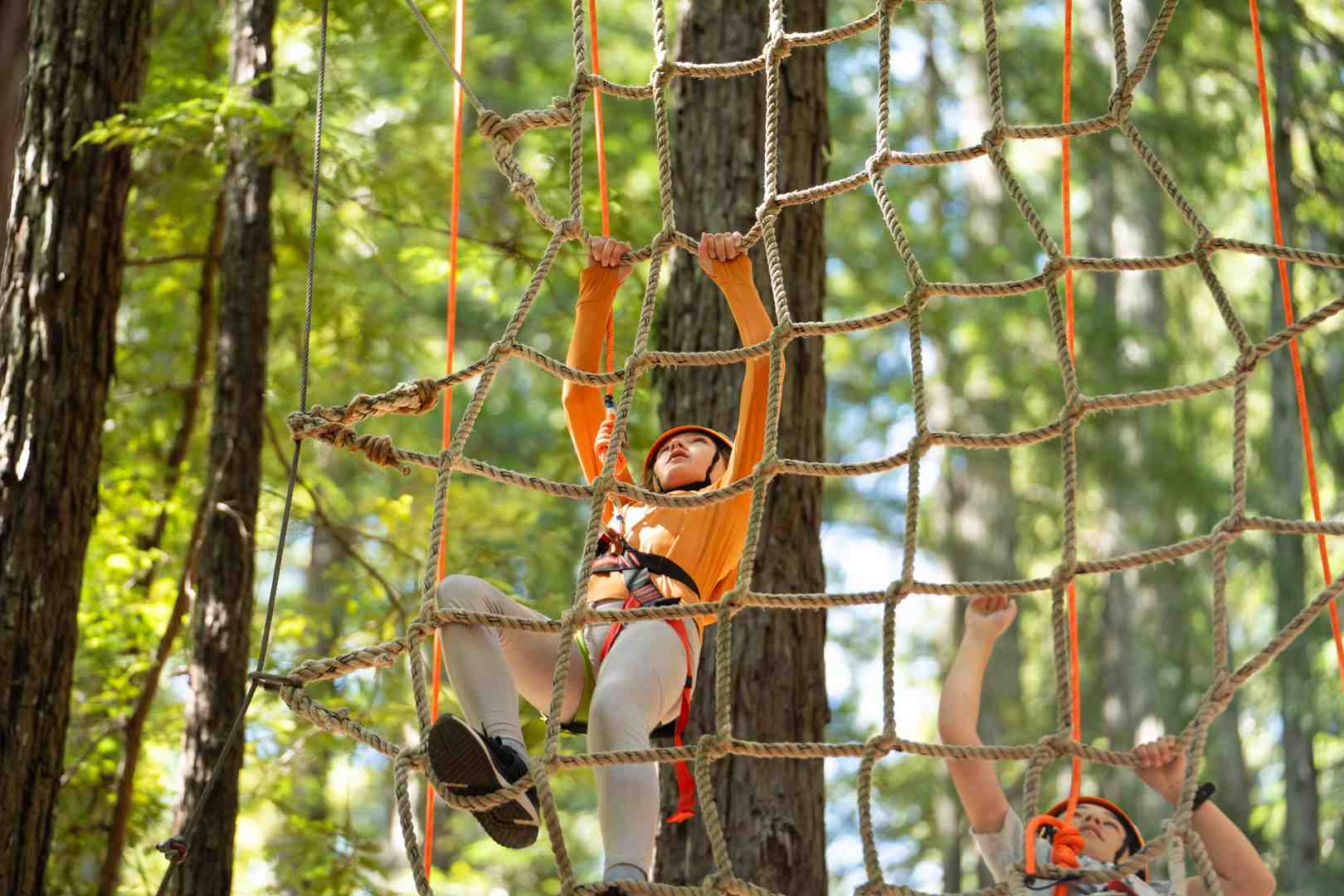
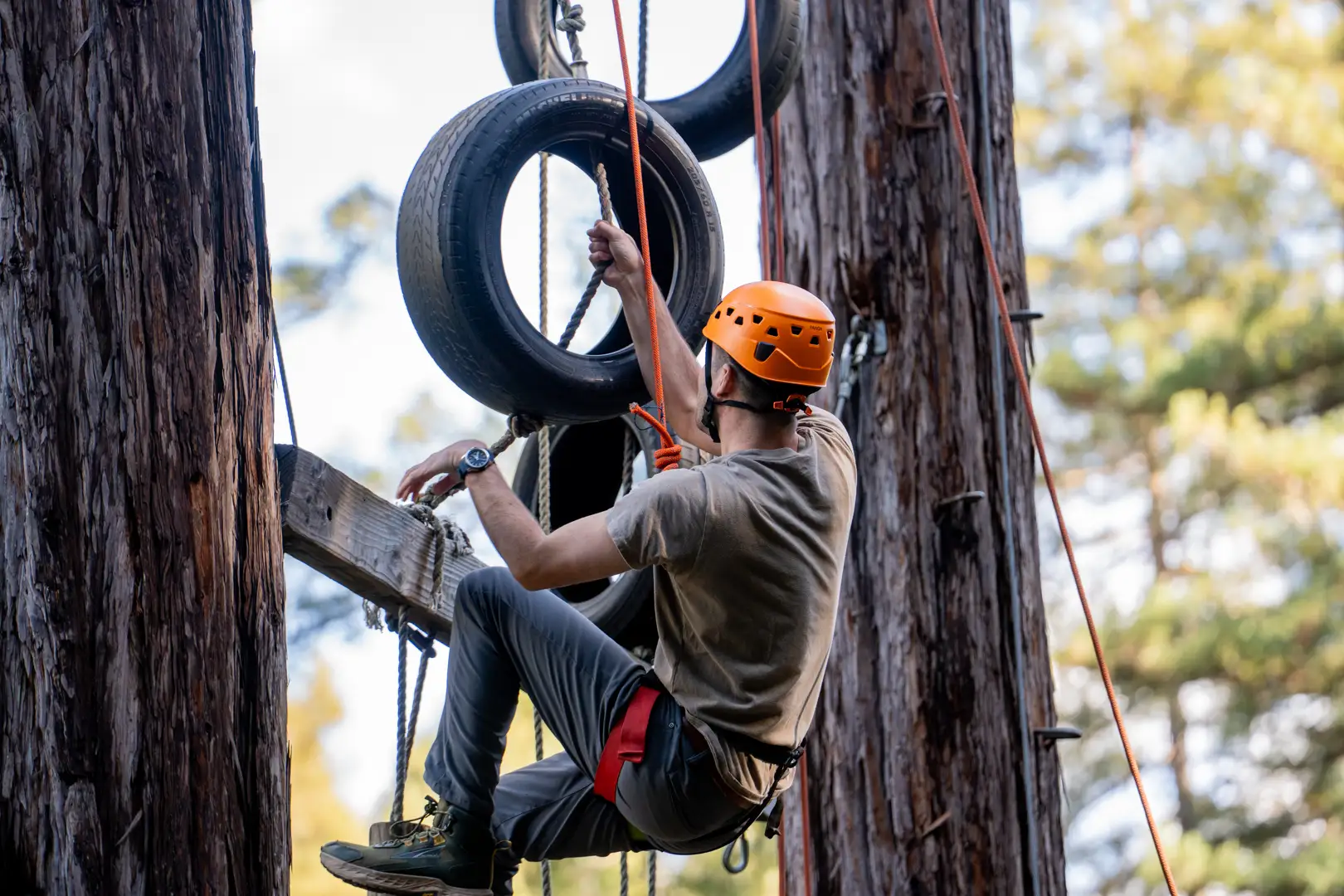
men engaging in outdoor challenge activities

Why Attend Christian Men’s Retreats Over Standard Church Events

While weekly church services, Sunday school classes, and weekday breakfast groups are valuable, they operate under rigid time limits. A one-hour meeting on a Tuesday morning rarely allows enough time for a man to share his deepest burdens or work through life’s difficult seasons. In contrast, multi-day Christian men’s retreats combine experiential learning with uninterrupted immersion.

By taking men out of their familiar routines for a multi-day retreat, Alliance Redwoods creates a distinct environment where focused reflection, honest conversation, and spiritual growth can happen. Key differences include:

  • Experiential Learning: Rather than sitting passively in a sanctuary pew, participants actively engage through team challenges, wilderness reflection, group discussions, and prayer walks.
  • Removing Distractions: Turning off smartphones, setting aside work deadlines, and leaving household chores behind opens mental and emotional room for real rest.
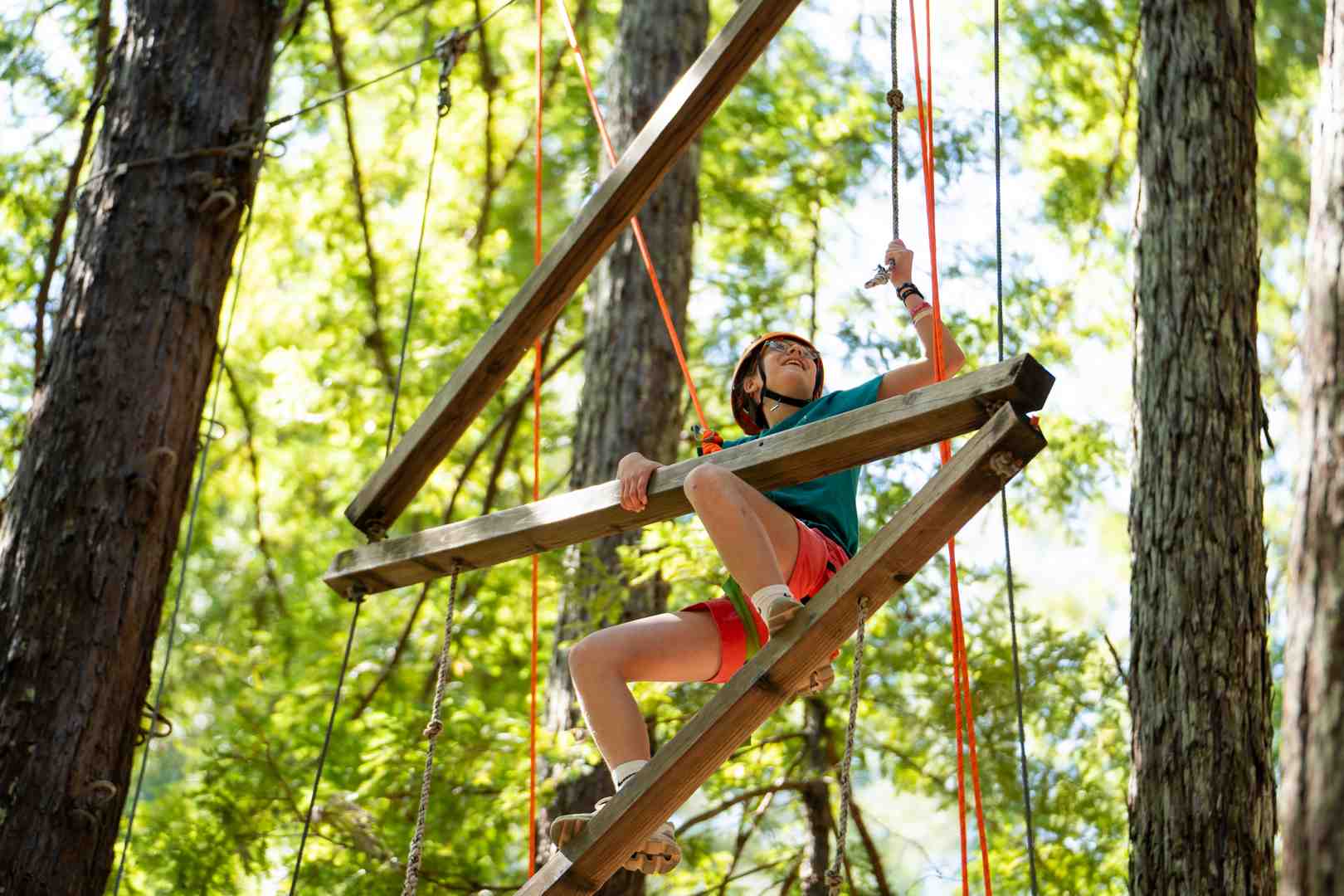
  • Unvarnished Brotherhood: Extended time together breaks down artificial barriers. Sharing meals, conquering high ropes challenges, and staying in peaceful group lodging foster deep trust and vulnerability.
  • Deep Emotional Healing: Prolonged sessions provide ample time to explore life wounds, fatherhood challenges, personal calling, and relational health without feeling rushed.

Alliance Redwoods’ focus on men’s spiritual retreats helps church leaders design Christian men’s retreats where outdoor recreation, quiet reflection, and group discussion support emotional and spiritual growth.

Who Should Attend a Men’s Spiritual Getaway

A common misconception is that Christian men’s retreats are only for pastors, church staff, or men who already feel confident in their faith. In reality, these weekends at Alliance Redwoods are designed for men from all walks of life, backgrounds, and spiritual stages.

Whether a participant is a lifelong believer, a recent seeker exploring faith for the first time, or someone navigating doubt and life transitions, there is a place at the retreat table. Attendees typically include:

  1. Young Adults & College Students: Young men seeking direction, foundational faith principles, and positive adult mentors as they navigate early career choices and adult responsibilities.
  2. Fathers & Husbands: Men desiring wisdom to lead their families with love, grace, and strength, while processing the balancing act of work and family life.
  3. Church Leaders & Ministers: Experienced leaders who need personal restoration away from organizational demands. Dedicated pastor retreats offer ministry leaders a space to receive care rather than always serving others.
  4. Men Seeking Healing or a Fresh Start: Individuals working through grief, marital challenges, career changes, or personal failures who need a supportive, non-judgmental environment to rebuild.

Men from across Northern California—including San Francisco, Oakland, San Jose, and Santa Rosa—come to Alliance Redwoods for retreat weekends designed around faith, brotherhood, and renewal. Reading through authentic guest testimonials highlights how taking time away in the Redwoods restores hope, heals marriages, and establishes lifelong friendships.

Comparing Types of Christian Men’s Retreats

Not all Christian men’s retreats share the same focus, structure, or schedule, which is why choosing the right Redwood retreat format matters for church leaders. Alliance Redwoods provides tailored experiences ranging from introductory weekend getaways to high-intensity spiritual challenges designed specifically for your ministry goals.

Retreat FormatCore ObjectivePrimary ActivitiesIdeal Participant
Introductory & Fellowship RetreatsSpiritual refreshment, relaxation, and building communityGroup meals, biblical teaching, relaxed recreation, campfiresMen new to retreats, church-wide groups, fathers with teenage sons
Intensive Identity RetreatsDeep self-examination, inner healing, and spiritual restorationGuided reflection, small groups, personal quiet time, active team challengesMen feeling stuck, facing life transitions, or seeking deep healing
Themed & Life-Stage GetawaysFocused teaching on specific topics like fatherhood, leadership, or marriageTargeted workshops, panel discussions, expert talks, group exercisesSpecific age cohorts, married men, ministry teams, corporate leaders
Advanced Alumni & DiscipleshipAdvanced spiritual formation, accountability, and ongoing missionDeep biblical study, mentor training, strategic vision planningReturning retreat alumni, mature church leaders, discipleship groups

Selecting the right environment depends on your group’s unique goals. To help leaders navigate options, our definitive guide to men’s retreat options details how our sanctuary fosters lifelong transformation.

Specialized Formats: Urban, Language-Specific, and Advanced Alumni Retreats

As men’s ministry evolves, Alliance Redwoods can support specialized Christian men’s retreats shaped around a group’s cultural, linguistic, and spiritual goals.

  • Urban & Diverse Ministry Retreats: Designed specifically to address the unique pressures and cultural dynamics of men living in urban centers such as Oakland, San Francisco, or San Jose. These gatherings prioritize multi-ethnic leadership, relevant social discussions, and community-building formats tailored to diverse backgrounds.
  • Spanish-Language Retreats: Faith communities throughout the greater Bay Area and Sacramento region benefit from fully bilingual or Spanish-language retreat options. When planned by bilingual or Spanish-speaking ministry leaders, these weekends can help participants engage more fully in prayer, worship, and personal sharing.
  • Advanced Alumni & Leadership Tracks: For men who have previously completed foundational weekend retreats, advanced tracks offer deeper dives into targeted topics. These include leadership dynamics, spiritual mentorship, healthy sexuality, and personal mission. These second-level gatherings emphasize long-term accountability and actionable discipleship.

Key Topics Addressed: Fatherhood, Healing, Sexuality, and Calling

A successful retreat does not shy away from the real challenges men face daily. Effective Christian men’s retreats at Alliance Redwoods provide a safe, confidential environment to discuss tough issues that are frequently omitted from Sunday morning sermons.

small group reflection in forest setting

Key themes explored during retreat weekends include:

  • Fatherhood & Legacy: Exploring how to be present, encouraging, and godly fathers. Men discuss overcoming generational patterns, healing father wounds from their own childhoods, and raising children with biblical values in a changing culture.
  • Personal Wounds & Inner Healing: Addressing hidden shame, past failures, emotional pain, and unspoken burdens. Through structured teaching and small group sharing, men experience God’s grace and emotional freedom.
  • Healthy Sexuality & Integrity: Providing honest, realistic conversations regarding sexual purity, adult relationships, addiction, and emotional integrity in a modern world filled with digital temptation.
  • Life Mission & Calling: Helping men uncover their spiritual gifts, identify their passions, and clarify their God-given purpose in their workplaces, families, and local churches.

Weekend Itinerary and What to Expect

When planning or attending Christian men’s retreats at Alliance Redwoods, knowing what to expect helps men arrive prepared to engage fully.

Alliance Redwoods hosts weekend Christian men’s retreats for church groups and ministries seeking a faith-centered retreat in the Redwoods. When exploring our men’s retreat options, event organizers discover flexible meeting rooms, comfortable overnight spaces, and tailored recreational activities designed specifically for men.

A typical weekend schedule balances active group programming with individual downtime:

  • Friday Evening: Guest arrival and check-in between 5:00 PM and 7:00 PM. Following dinner, the retreat kicks off with a welcoming general session, energetic worship, and an opening keynote message. The night finishes with casual fellowship around outdoor fires under the Redwoods.
  • Saturday Morning: Begins with a hearty breakfast followed by dynamic morning worship and practical biblical teaching. Men then break out into small group “platoons” of 6 to 8 participants to process the message. Mid-morning offers dedicated individual reflection time—often called “God & I Time.”
  • Saturday Afternoon: After a delicious buffet lunch, afternoons feature high-adventure outdoor activities. Men can test their courage on our zip lines, challenge courses, or vertical climbing towers, or take peaceful walks along forest trails.
  • Saturday Evening: A special barbecue meal, followed by a powerful evening message addressing life strategy, calling, and surrender. The night concludes with extended prayer, worship, and outdoor fellowship.
  • Sunday Morning: A closing session featuring corporate prayer, communion, testimonies of life transformation, and strategic visioning for returning home. The event finishes after lunch, letting men return to their families refreshed by mid-afternoon.

Overnight guest accommodations support the rhythm of a Redwood forest retreat, giving men a restful place to recharge between worship, teaching, outdoor activities, and small-group conversations. Guests enjoy climate-controlled rooms, private or semi-private bathrooms, and comfortable bedding—offering a true balance of rustic luxury surrounded by old-growth Redwoods.

Preparing for Your First Christian Men’s Retreat

Preparing well helps men participate more fully in Christian men’s retreats, from group sessions and prayer time to outdoor activities and personal reflection. Preparation involves physical, mental, and spiritual readiness.

  • Pack Appropriately: Northern California coastal climate can change throughout the day. Pack comfortable layerable clothing, sturdy hiking boots or athletic shoes, a rain jacket, personal toiletries, a flashlight, a journal, a pen, and your Bible.
  • Disconnect Digitally: Intentionally choose to step away from work emails, social media feeds, and news apps during the event. Inform your family and employer that you will be offline so you can focus completely on personal growth.
  • Prepare Your Heart: Spend time in quiet prayer in the days leading up to your arrival. Ask God to give you an open mind, a willingness to be honest, and courage to engage with other men.
  • Explore Forest Paths: Take full advantage of our peaceful setting. Guests are encouraged to spend time on our designated prayer path to quiet their minds among majestic Redwoods.
  • Embrace Outdoor Adventure: Participate fully in our wide range of supervised outdoor activities, including zip-lining, archery, swimming, and team building, which build trust and strong bonds among participants.

Post-Retreat Follow-Up and Ongoing Community Support

The ultimate success of Christian men’s retreats is measured not merely by what happens during the weekend, but by what changes after men return home. A powerful retreat serves as a catalyst, but long-term personal growth requires ongoing community support.

To ensure lasting impact, church leaders and event organizers are encouraged to establish clear follow-up structures before the weekend ends:

  1. Small Accountability Trios: Organize men into small groups of three to meet weekly or bi-weekly after the retreat to discuss personal goals, prayer requests, and life challenges.
  2. Follow-Up Curriculum: Schedule three to four follow-up group sessions at your local church during the month following the event. These meetings reinforce key insights gained in the Redwoods.
  3. Local Gathering Opportunities: Plan ongoing monthly outdoor events—such as breakfasts, trail hikes, work service days, or campfire gatherings—to maintain strong relationships.
  4. Family & Church Integration: Help men translate their spiritual growth into practical love, service, and presence at home with their spouses and children, as well as in their local ministries.

Experience shows that men who integrate into consistent post-retreat accountability circles maintain their gains long-term. Discover how immersive experiences spark enduring change by reading about life-changing Redwood retreats.

Frequently Asked Questions About Christian Men’s Retreats

What is typically included in a Christian men’s retreat?

When organizing or registering for Christian men’s retreats, the retreat experience is shaped by lodging style, length of stay, meeting needs, and selected recreational options. Alliance Redwoods brings lodging, meals, meeting spaces, and activity options together in a coordinated retreat environment designed to simplify planning for church groups.

A typical retreat experience may include:

  • Lodging Accommodations: Overnight stays in our lodge rooms or cabins, featuring rustic luxury amenities in a scenic forest environment.
  • Full Meal Plans: Freshly prepared, delicious buffet-style meals serving breakfast, lunch, and dinner, with accommodations available for common dietary needs when requested in advance.
  • Conference Facilities: Full access to meeting spaces equipped with audio/visual technology, comfortable seating, and cozy fireplaces for group sessions and worship.
  • Recreational Access: Access to forest trails, sports fields, outdoor meeting amphitheaters, and organized adventure programming led by trained staff.
  • Program Materials: Handouts, devotionals, and retreat materials used during group sessions.

For guidance on lodging, meeting spaces, activities, and planning details for your church or group, event planners can contact the Alliance Redwoods team directly.

Where are Christian men’s retreats held at Alliance Redwoods?

Alliance Redwoods is centrally located in Occidental, California, nestled within the coastal Redwood forest of Sonoma County. Our venue is easily accessible from all major Northern California metropolitan areas:

  • From San Francisco & Marin County: Less than a two-hour drive north via US-101 and CA-116 West.
  • From the East Bay (Oakland, Berkeley, Concord): A scenic 90-minute drive across the Richmond-San Rafael Bridge and north on US-101.
  • From the South Bay & Silicon Valley (San Jose, Sunnyvale, Santa Clara): Approximately two hours north via I-880 and US-101.
  • From the Greater Sacramento Region (Sacramento, Roseville, Davis): Roughly two hours west via I-80 West and CA-12 West through Sonoma County.

Our 115-acre property offers private group meeting spaces, comfortable overnight lodging, and outdoor dining areas surrounded by ancient trees. We partner directly with church teams planning dedicated church retreats throughout the year, offering ideal options for spring, fall, and winter weekend events.

Are there scheduled Christian men’s retreats I can join?

Yes. While many Christian men’s retreats at Alliance Redwoods are organized by churches and private groups, we also periodically host scheduled men’s retreat events that individuals can attend. Availability varies throughout the year, so we recommend checking our Men’s Retreat page for current dates and registration information.

What should I bring and how do I prepare spiritually?

Preparing for your retreat experience involves simple, practical packing along with an open heart.

Packing List Essentials:

  • Bible, notebook or journal, and pens
  • Comfortable, casual clothing suitable for outdoor activities (layers work best)
  • Sturdy closed-toe shoes or hiking boots for forest trails
  • Jacket or fleece sweater for cool evening weather
  • Personal toiletries and bath towel
  • Flashlight or headlamp for evening outdoor walks
  • Reusable water bottle

Spiritual and Mental Preparation:

  • Arrive Expectantly: Come ready to learn, listen, and grow. Set aside preconceived expectations and let God work in unexpected ways.
  • Be Honest: Growth happens when men step out of passive routines and share real stories in confidence.
  • Respect Quiet Spaces: Take advantage of personal reflection periods along our forest streams and trails to listen for God’s guidance.
  • Communicate Needs: If you have dietary restrictions or physical limitations, notify retreat leaders early so proper arrangements can be made seamlessly.

Conclusion

Stepping away from daily noise to attend Christian men’s retreats can create meaningful space for spiritual renewal, family reflection, and personal growth. In the peaceful environment of the Redwoods, men discover authentic brotherhood, heal from past wounds, clarify their God-given mission, and return home with practical tools for daily life.

Alliance Redwoods provides Northern California churches and ministries with a redwood retreat setting designed for worship, connection, reflection, and renewal. Surrounded by breathtaking natural beauty, our property offers rustic luxury lodging, professional guest services, exceptional dining, and exciting outdoor adventures.

Whether you’re a pastor planning your church’s next men’s retreat, a ministry leader organizing a faith-centered gathering, or an individual looking for an upcoming Christian men’s retreat, Alliance Redwoods is here to help. Contact Alliance Redwoods to begin planning your group’s retreat, or visit our Men’s Retreat page to see if registration is currently open for an upcoming event. We look forward to welcoming you to the Redwoods for a weekend of spiritual renewal, authentic brotherhood, and lasting transformation.

Escape the City to a Redwood Treehouse Retreat

Redwood Treehouse Retreat in Sonoma County: What Groups Should Know

A redwood treehouse retreat places you high among Sonoma County’s coastal redwoods for an overnight canopy experience that combines lodging, guided adventure, and time in the forest. Here’s a quick snapshot of what that actually means:

  • Where: Northern California, with the premier destination located in the heart of Sonoma County
  • Who it’s for: Group retreat planners, educators, team leaders, and organizations seeking deep nature immersion
  • What makes it unique: Ancient Redwoods canopy, near-total quiet, and a genuine sense of disconnect from city life
  • How to book: Sonoma Treehouse Adventures, operated by Alliance Redwoods, offers a dedicated overnight treehouse package with canopy tours, guided activities, and delivered meals.
  • When to visit: The climate-controlled treehouses operate year-round, although weather, availability, and seasonal conditions should be considered when selecting dates.

For decades, people have sought out the towering Redwoods of Northern California to find inspiration, clarity, and a renewed sense of purpose. Staying high among coastal redwoods offers a perspective that traditional cabins and ground-level lodging cannot replicate.

For couples, families, celebrations, and small groups that meet the participation requirements, a redwood treehouse retreat combines forest immersion with a structured canopy adventure. It provides a natural sanctuary where teams can break free from daily distractions and focus on what truly matters.

I’m Joy Ferguson, a tourism and destination-marketing professional with experience promoting Alliance Redwoods and Northern California outdoor experiences. This guide explains what the treehouse stay includes, who it fits, how to prepare, and how it connects with broader Alliance Redwoods retreats.

The Magic of a Redwoods Treehouse Retreat

Staying in a custom-built canopy structure is vastly different from traditional ground-level camping or cabin rentals. When you step onto an elevated wooden platform suspended dozens of feet in the air, your relationship with the forest changes instantly. You are no longer just looking up at the giants; you are living among them, sharing their space, and experiencing the forest ecosystem from an entirely new perspective.

For families, team leaders, and organizers looking to plan unforgettable gatherings, opting for elevated forest structures provides a unique blend of adventure and peaceful isolation. It is an exceptional way to experience the best California Redwoods accommodations for the family, giving both adults and children a safe, magical, and highly educational vantage point to appreciate these ancient ecosystems. Through Sonoma Treehouse Adventures, Alliance Redwoods offers an overnight canopy experience designed around lodging, guided exploration, dining, and two zipline tours.

suspension bridge leading to a treehouse

Experiencing the Forest from 35 Feet Up

When you ascend to a treehouse, you enter a micro-habitat that few people ever get to experience. In the Occidental forest, elevated platforms and canopy structures are suspended up to 35 feet off the ground. Built directly into living Redwood trees, these structures allow you to watch the morning coastal fog roll through the branches at eye level.

Living in the canopy means you are eye-to-eye with the local wildlife. Guests may hear or observe birds and other forest wildlife, but sightings vary by season, weather, and animal activity. The physical sensation of being suspended — supported by heavy-duty cables and specialized treehouse attachment bolts — creates a gentle, almost imperceptible sway when the wind moves through the forest. This organic connection to the tree’s natural movement offers an unparalleled sense of peace and wonder.

The Healing Power of the Redwoods Canopy

The acoustic properties of a dense Redwood forest are legendary. The distance from roads and the surrounding forest can create a noticeably quieter environment than most urban settings. When you are nestled in a Redwood treehouse retreat, the constant hum of modern life, traffic, and digital notifications is replaced by the soft rustle of wind, the dripping of coastal condensation, and the occasional bird call.

This natural quiet is the perfect foundation for forest therapy, or shinrin-yoku. Research suggests that time in forest environments may support short-term reductions in stress indicators such as blood pressure and cortisol, although individual results vary. The limited distractions of the canopy environment can help guests slow down and focus more intentionally on the experience. Whether you are reading a book on a wraparound deck or simply watching the sunlight filter through the branches, the quiet canopy setting can support rest, reflection, and a temporary break from everyday routines. At Alliance Redwoods, we encourage our guests to fully embrace this therapeutic environment, offering guided opportunities to disconnect from screens and reconnect with nature.

Top California Locations for Canopy Sanctuaries

California is home to the world’s most spectacular Redwood groves, stretching from the rugged southern reaches of the Santa Cruz Mountains up to the misty borders of Oregon. If you are looking to find the ultimate canopy sanctuary, Northern California offers some of the most accessible and visually stunning locations.

When planning a group trip or a team-building getaway, selecting the right geographic base is essential. For those seeking classic forest lodging with easy access to major metropolitan hubs, exploring cabin rentals in Redwood forest regions like Sonoma County provides the perfect balance of deep wilderness and modern convenience. Alliance Redwoods operates Sonoma Treehouse Adventures in Occidental and also provides separate lodging, meeting spaces, dining, and activities for larger groups.

treehouse surrounded by towering Redwoods

Finding Your Perfect Redwoods Treehouse Retreat in Occidental

Nestled in the heart of Sonoma County, the charming town of Occidental is a historic gem surrounded by pristine, second-growth Redwood forests. This region is famous for its dramatic microclimates, where warm afternoon sun quickly gives way to cool, dramatic coastal fog rolling in from the Pacific Ocean. Occidental’s unique geography makes it a premier spot for a Redwood treehouse retreat, allowing visitors to experience the rugged beauty of the Russian River Valley and the Sonoma Coast while staying tucked away in a quiet forest sanctuary.

Our own 115-acre property at Alliance Redwoods is situated right in this majestic Occidental forest. For decades, we have utilized this inspiring environment to host life-changing group experiences, corporate offsites, and outdoor education programs. The towering trees, winding creeks, and elevated canopy lines of Occidental create an atmosphere where groups can truly disconnect from their daily routines and build meaningful connections. Our property is carefully designed to preserve the natural landscape while providing safe, comfortable, and inspiring spaces for groups of all sizes.

Why Sonoma County is the Premier Redwoods Destination

For travelers coming from the San Francisco Bay Area, Oakland, Berkeley, or San Jose, Sonoma County is incredibly convenient. Located in Occidental, Sonoma County, the experience is accessible to travelers from San Francisco and the greater Bay Area while still feeling removed from urban routines. This proximity makes it highly practical for planning corporate retreats, school trips, or family reunions.

Beyond convenience, Sonoma County boasts some of the most ecologically diverse Redwood environments in the state. The trees here thrive in the coastal valleys, creating deep, shaded canyons that remain cool and green year-round. Staying in this region at Alliance Redwoods allows your group to easily combine a forest canopy experience with world-class hiking, coastal beach exploration, and visits to local artisan towns like Sebastopol and Healdsburg. It is a versatile destination that caters to outdoor enthusiasts and those looking for peaceful relaxation alike.

What to Expect: Amenities, Comfort, and Sustainable Design

When booking a Redwood treehouse retreat, it is important to understand that “treehouse” can mean many different things. At Sonoma Treehouse Adventures, each treehouse accommodates up to four guests and is part of an organized overnight itinerary that includes canopy activities, guided hiking, dining, and climate-controlled lodging. Knowing what to expect in terms of amenities and structural design will help you choose the right fit for your group’s comfort level. At Alliance Redwoods, we pride ourselves on offering a range of options that balance comfort, safety, and deep nature immersion, ensuring that every guest feels right at home in the canopy.

comparison of treehouse layouts

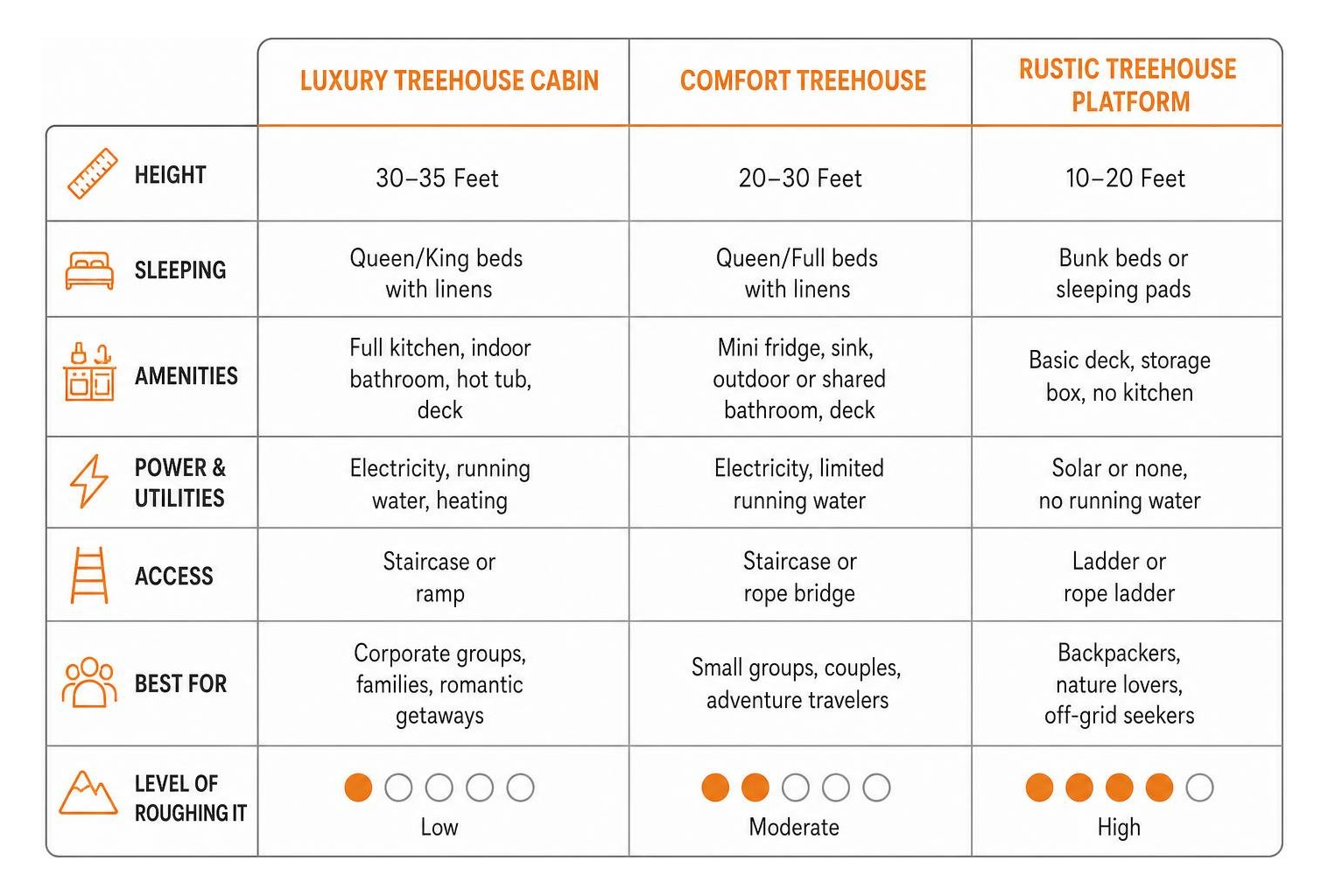
To help you visualize the differences, here is a quick breakdown of the primary treehouse styles you will find throughout Northern California:

Accommodation TypeAverage HeightKey AmenitiesBest ForLevel of “Roughing It”
Luxury Treehouse Cabin30–35 FeetHot tubs, full kitchens, electricity, heating, plush beddingCorporate groups, families, romantic getawaysLow (All modern comforts included)
Geodesic Dome Platform20–25 FeetBasic sleeping pads, bug netting, composting toilet, gear pulleyAdventurous travelers, solo seekers, eco-touristsMedium-High (No electricity or built-in heat)

Designing a Sustainable Redwoods Treehouse Retreat

Building a structure dozens of feet in the air within a living forest requires highly specialized, eco-friendly engineering. Treehouse construction in living forests requires specialized design and ongoing inspection to account for tree health, structural movement, and guest safety. Specific engineering and tree-health practices should be described only when they have been verified by the project’s arborists or designers. This ensures that the tree remains healthy and strong, supporting the structure for decades to come without causing long-term ecological damage.

The Sonoma treehouses are integrated into a coastal redwood setting and connected to the wider canopy experience through staircases, sky bridges, trails, and zipline routes. By utilizing these natural circles, builders can suspend platforms using cantilevered, cable-supported wings, minimizing the need for ground-level support posts. This low-impact construction method protects the delicate shallow root systems of the Redwoods, ensuring the forest floor remains undisturbed and the surrounding flora can continue to thrive.

For an authoritative overview of coast redwood habitat, growth, roots, and canopy ecology, review the National Park Service’s guide to coast redwoods.

From Luxury Glamping to Off-Grid Domes

When planning a group retreat, finding the right balance between rustic nature immersion and modern comfort is key. Some groups thrive in luxury-style cabins that feature spacious decks, comfortable bedding, and modern meeting spaces, while others prefer a more rustic, back-to-nature experience. Whatever your group’s preferences, the goal is always to create an environment where people can step outside their comfort zones and connect on a deeper level.

At Alliance Redwoods, we offer a variety of accommodations designed to meet these diverse needs, ensuring that your group can experience the magic of the forest canopy without sacrificing comfort or safety. Our facilities are engineered with sustainability in mind, utilizing eco-friendly practices to protect the surrounding ecosystem while providing a memorable stay. To learn more about the biology and preservation of these magnificent trees, you can read about the Sequoia sempervirens on Wikipedia, which details the unique characteristics of coastal Redwoods.

Preparing for Your Forest Canopy Adventure

Staying in a treehouse is an exciting adventure, but it does require some practical preparation. Because the stay includes hiking, staircases, sky bridges, and zipline activities, guests should prepare for an active outdoor itinerary rather than a conventional hotel stay. To ensure your group has a comfortable, safe, and enjoyable stay, you need to pack smart and understand the unique rules of the canopy. Proper preparation is the key to transitioning smoothly from the fast-paced modern world into the peaceful, slow-moving rhythm of the Redwood forest.

Essential Packing and Gear Tips

When preparing for your Redwood treehouse retreat, pack light and use soft-sided duffel bags or backpacks. Heavy, rolling suitcases are incredibly difficult to drag along dirt forest paths and up narrow, winding spiral staircases.

Here is a checklist of essential gear to pack for your stay:

  • Layered Clothing: Redwood canopies block out a significant amount of sunlight, keeping the forest floor and lower decks cool even in the middle of summer. Pack warm fleece layers, thermal base layers, and a wind-resistant jacket.
  • Waterproof Outerwear: The coastal Redwood environment is naturally damp. Fog condensation can mimic a light rain, so a reliable waterproof shell is a must.
  • Headlamps and Flashlights: Unlit forest paths and treehouse staircases can be pitch black at night. Keep your hands free for climbing by using a high-quality headlamp.

While treehouse living is magical, it comes with a few natural quirks. For starters, Redwoods drop a steady stream of leaves, twigs, and tiny pinecones. These materials contain high levels of natural tannin, which can leave stubborn brown stains on clothing, shoes, and gear if they get wet. Keep your personal items inside the cabin or tent to protect them from staining.

The experience uses guided procedures and established safety requirements, but guests must follow all staff instructions when using staircases, sky bridges, trails, and zipline equipment. The surrounding forests are home to active wildlife, so it is highly recommended to avoid solo night walks. Stick to well-lit areas, travel in groups, and always pay close attention to safety rules when navigating steep spiral staircases and wet wooden decks. At Alliance Redwoods, our staff is always on hand to provide safety briefings and ensure your group feels secure throughout your stay.

Frequently Asked Questions About Redwoods Treehouse Retreats

Planning a unique forest stay often brings up a few practical questions. Here are the answers to some of the most common questions guests ask when preparing for their treetop adventure at Alliance Redwoods.

How high are Redwoods treehouses typically suspended?

Most professionally designed Redwood treehouses are suspended between 20 and 35 feet off the ground. This height is carefully chosen to provide an immersive canopy experience while remaining structurally sound and safe for guests. Platforms are accessed via sturdy spiral staircases, secure wooden ramps, or suspension bridges, and they feature heavy-duty safety railings to ensure everyone can enjoy the views with peace of mind. At Alliance Redwoods, all of our elevated structures undergo rigorous safety inspections to meet the highest industry standards.

Are pets allowed in Redwoods treehouse rentals?

In most cases, pets are not allowed in elevated treehouse rentals. This policy is in place to protect the delicate local wildlife and to ensure guest safety, as navigating steep, open-grated staircases can be dangerous for dogs. Guests traveling with a service animal should contact the operator before arrival to discuss the physical itinerary and accessibility of the treehouse, staircase, bridge, hiking, and zipline components. Do not require written certification language unless approved by counsel. If you are traveling with a service animal, always verify the accessibility and safety of the specific treehouse layout beforehand to ensure a smooth and comfortable stay.

How do treehouse stays support forest conservation?

Treehouse eco-tourism plays a vital role in protecting Redwood forests. Responsible forest tourism can support stewardship by helping visitors understand redwood ecology and the importance of protecting forest habitats. Staying at an eco-friendly treehouse directly funds land preservation, supports local conservation programs, and raises awareness about the importance of protecting these ancient, giant ecosystems for future generations. When you choose Alliance Redwoods, your stay directly supports our ongoing efforts to steward and protect these 115 acres of pristine forest.

Conclusion

A Redwood treehouse retreat is more than just a place to lay your head; it is an invitation to step away from the noise of the city, breathe in the cool forest air, and experience the natural world from a spectacular new vantage point. Whether you are looking to bond with your family, inspire your students, or recharge your team, the Redwoods canopy provides the perfect backdrop for meaningful connection and growth. The memories made high above the forest floor will continue to inspire your group long after you return home.

While booking an individual treehouse is a fantastic escape, organizing a large-scale group event requires a dedicated, professional environment. At Alliance Redwoods, we specialize in bringing groups together in our stunning 115-acre Occidental forest. We offer the ultimate Northern California solution for:

  • Corporate Offsites: Boost collaboration and spark innovation with our specialized corporate retreats and team-building programs.
  • Outdoor Education: Inspire the next generation of environmental stewards through our hands-on outdoor education curriculum.
  • Group Gatherings: Host memorable, impact-driven events with our versatile accommodations.

A redwood treehouse retreat can give a small group an unforgettable perspective on Sonoma County’s coastal forest, while Alliance Redwoods provides the lodging, meeting spaces, dining, and activities needed for broader group experiences. If you are planning a retreat that combines canopy adventure with meaningful time together in the redwoods, contact the Alliance Redwoods team to discuss your group, preferred dates, and program goals.

Men’s Discipleship in the Redwoods: A Retreat Guide for Church Leaders

Why Men’s Discipleship Matters Now

Men’s discipleship is the intentional process of helping men follow Jesus in everyday life, grow in biblical character, build honest relationships, and eventually help other men do the same.

It is more than a Bible study, a large event, or a weekly meeting. Effective discipleship combines sound teaching with real-life example, prayer, accountability, service, and trusted relationships.

Many churches see a gap between men who attend services and men who are deeply engaged in men’s discipleship. Pastors and ministry leaders often recognize disciple-making as an ongoing area for growth, especially as men face isolation, passivity, pressure to perform, and a lack of healthy spiritual mentors. A well-planned retreat or group experience creates space to step away from noise, have honest conversations, and begin building those relationships.

For leaders planning a church retreat, conference, multi-day gathering, or Redwood Retreat, the goal is not simply a memorable weekend. It is to help men take a next step toward lasting transformation and spiritual multiplication. For men who are ready to take a practical next step, Alliance Redwoods also hosts an upcoming Men’s Retreat designed to strengthen Christlike leadership, discipleship, and spiritual growth in a focused retreat setting.

I’m Joy Ferguson, a tourism and group-experience professional with a background in communications, guest engagement, and outdoor programs at Alliance Redwoods. My work supporting meaningful group experiences in the Redwoods shapes this practical perspective on how a shared setting can strengthen men’s discipleship beyond the event itself.

Related retreat planning resources:

Core Biblical Principles of Men’s Discipleship

To build an enduring framework for men’s discipleship, local churches must look beyond temporary trends and ground their strategy in timeless biblical patterns. Scripture provides clear paradigms for how men are called to grow, lead, and invest in the next generation. Throughout the New Testament, Christian formation relies on two operating pillars: the pattern of sound teaching (doctrinal depth) and the pattern of godly living (life-on-life example). When either pillar is neglected, discipleship falters.

Historically, men’s discipleship was never intended to be an isolated intellectual exercise. Paul’s instruction to Timothy emphasizes passing down truth to faithful men who will be able to teach others also. This chain of spiritual fatherhood relies on relational proximity: inviting men into daily life so they can see how faith functions under real-world pressure.

Across the Bay Area, men face competing priorities from work, family, church, and community life. Establishing core biblical principles ensures that men learn to anchor their identity in Christ rather than their professional performance or societal status.

Developing Biblical Character and Spiritual Fatherhood

At the heart of men’s discipleship is the development of Christlike character. Scripture sets a high standard for male spiritual leadership, not just for ordained pastors, but for every Christian man. The leadership qualifications outlined in 1 Timothy 3 – such as being sober-minded, self-controlled, respectable, hospitable, and managing one’s household well – serve as a universal roadmap for biblical manhood.

Developing this character requires deliberate spiritual habits. Men grow when they move from passive sermon consumption to active obedience to God’s Word. Key spiritual disciplines include:

  • Scripture Engagement: Moving beyond superficial reading to deep study, meditation, and memorization. Saturating the mind with truth builds discernment against modern cultural lies.
  • Conversational and Spontaneous Prayer: Training men to engage in ongoing dialogue with God throughout their workday, practicing silent prayer in high-pressure moments just as Nehemiah did before speaking to the king.
  • Authentic Mentorship: Pairing younger or newer believers with spiritually mature men who serve as spiritual fathers, offering wisdom, guidance, and transparent encouragement.
  • Practical Service: Translating theological understanding into unapplauded acts of service at home, within the local church, and across the local community.

Spiritual fatherhood is the natural outcome of mature discipleship. When a man experiences the consistent grace and instruction of God, he develops a natural desire to pour into others. This dynamic bridges generational divides within the church, pairing seasoned leaders with young adults in places like Berkeley or Oakland to navigate the complexities of faith in a complex world.

Overcoming Failure Modes in Men’s Discipleship

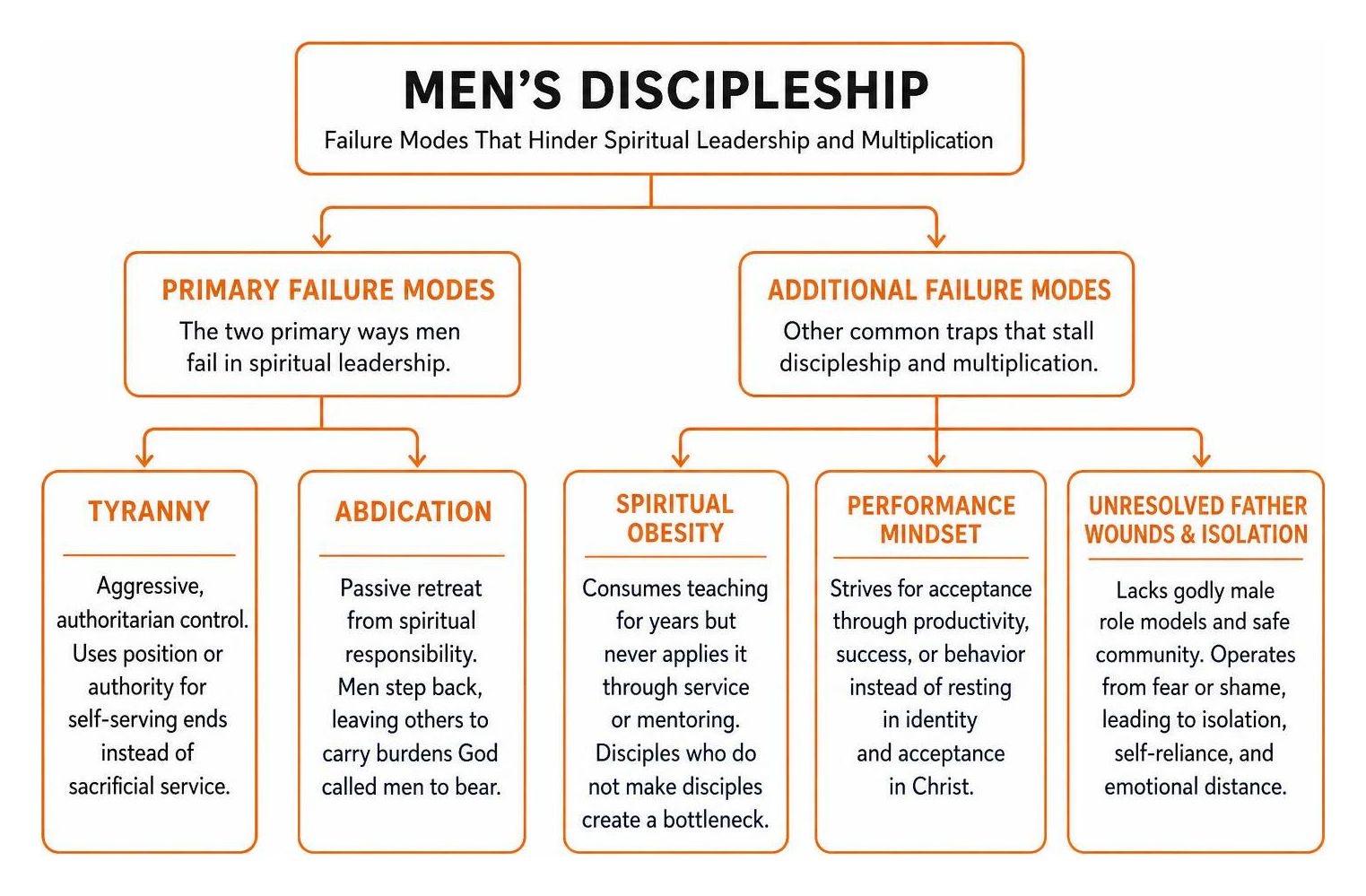
Despite noble intentions, many church initiatives stall because they fail to address the common spiritual traps and failure modes that men encounter. Recognizing these hazards allows church leaders to construct proactive safeguards within their discipleship frameworks.

The two primary failure modes of male leadership are tyranny and abdication. Tyranny manifests as aggressive, authoritarian control, where a man uses his position or authority for self-serving ends rather than sacrificial service. However, in modern church culture, abdication – passive retreat – is far more prevalent. Many church leaders connect this pattern to Genesis 3, where Adam’s silence illustrates the danger of spiritual passivity.

men's discipleship failure modes

Other significant failure modes hinder spiritual multiplication:

  1. Passive Consumption: This occurs when men consistently receive theological teaching but rarely apply it through service, accountability, or mentoring others.
  2. Performance Mindset: Many men struggle under the weight of striving, viewing their acceptance by God and peers through the lens of productivity, career success, or behavioral modification rather than resting in their secure identity in Christ.
  3. Unresolved Father Wounds and Isolation: Men who grew up without godly male role models often operate from an orphan spirit, isolating themselves out of fear or shame. Without safe environments to confess struggles and process deep emotional wounds, these men default to self-reliance and emotional distance.

Overcoming these failure modes requires transitioning men from isolated performers into transparent brothers who commit to regular fellowship, practical accountability, and life-on-life mentorship.

Strategic Frameworks for Modern Church Ministry

Moving a congregation from passive Sunday attendance to an active culture of disciple-making requires a clear, repeatable architecture. Churches cannot rely on disconnected events or random announcements; they need a structured pathway that guides a man from his first point of contact to becoming an active mentor.

A comprehensive strategy links large gatherings, mid-sized cohorts, small accountability groups, and one-on-one relationships into an integrated pipeline. By creating low-barrier entry points that naturally flow into higher-commitment spaces, church leaders ensure that no man gets left behind or overlooked on the church’s fringe.

outdoor men's leadership workshop

Designing a Sustainable Men’s Discipleship Pathway

A sustainable men’s discipleship pathway focuses on intentional progression. Rather than offering endless, uncoordinated options, effective ministries structure their efforts around progressive learning modules and peer guidance.

Many churches use short-term cohorts or yearlong pathways to give men a clear rhythm of teaching, accountability, and practice. Equipping laymen as peer guides allows ordinary church members to facilitate small groups without needing formal seminary training. Multi-week intensive cohorts guide men through defined phases: gaining insight, experiencing emotional healing, anchoring identity in Christ, and stepping into spiritual fatherhood.

To make a discipleship pathway sustainable across diverse Bay Area congregations—whether in San Jose, Fremont, or Santa Rosa—churches should adopt a structured four-stage multiplication process:

  1. Engage: Welcome men through low-pressure gatherings, outreach projects, and seasonal retreats.
  2. Establish: Ground men in foundational Bible doctrine, daily spiritual habits, and active identity in Christ.
  3. Equip: Train men in practical ministry skills, leadership character, and peer accountability methods.
  4. Empower: Send equipped men out to mentor others, lead small groups, and step into spiritual fatherhood.

By intentionally guiding men through these steps, churches prevent stagnation and continually build a healthy leadership pipeline.

Integrating Events, Small Groups, and One-on-One Mentoring

A mature men’s discipleship ecosystem recognizes that events, small groups, and one-on-one relationships are not competing formats; they are complementary stages of spiritual growth. Large events generate momentum and cast vision, small groups foster community and biblical application, and one-on-one mentoring provides deep, personal accountability.

Discipleship FormatPrimary FocusBest Used ForKey Advantage
Large Events & RalliesVision casting, inspiration, broad outreachAnnual kickoffs, joint regional gatherings, retreatsBuilds collective momentum and lowers entry barriers for new men
Small Groups (4-8 Men)Biblical application, mutual accountability, life sharingWeekly or bi-weekly Bible studies, book series, cohortsCreates safe space for vulnerability and sustained peer community
One-on-One MentoringDeep spiritual formation, personal life shadow, tailored guidancePairing mature leaders with newer believersAllows for transparent feedback, custom prayer, and direct life-on-life modeling
Outdoor Immersive RetreatsEnvironmental shift, physical challenge, deep fellowshipAnnual church retreats, leadership intensivesRemoves daily distractions to accelerate trust and spiritual breakthroughs

While weekly small groups provide consistent fellowship, taking men out of their everyday environment can create focused space for reflection, prayer, and honest conversation. When planning these crucial getaway experiences, evaluating the right setting makes all the difference; explore The Definitive Guide to Men’s Retreat Options to understand how setting directly impacts spiritual outcomes.

Structured tools also help churches build long-term alignment across all formats. Leaders can leverage systematic study modules and actionable devotions to maintain a steady, sustainable pace for small group discussions and one-on-one mentoring pairings.

Tailoring Discipleship across Spiritual Stages and Formats

Men entering a church community are not all at the same spiritual stage. They come from vastly different backgrounds, carry unique emotional burdens, and possess varying degrees of biblical literacy. A one-size-fits-all discipleship program often fails to address the full range of men’s spiritual needs. Effective ministry leaders must learn to assess men accurately and tailor their discipleship approach accordingly.

men participating in team building activities

To assess where the men in your congregation stand, church leadership teams can execute a straightforward assessment process:

  1. Map Church Engagement: Audit attendance patterns across Sunday services, service teams, and casual church events to identify active versus fringe participants.
  2. Conduct Personal Interviews: Schedule casual, one-on-one coffee meetings to ask men direct questions about their spiritual habits, home life, and current struggles.
  3. Evaluate Leadership Readiness: Identify men who demonstrate consistent character and willingness to serve, assessing them against biblical standards for mentorship.
  4. Categorize Spiritual Needs: Group men into foundational stages (Natural, Cultural, Hurting, Biblical, Servant Leader) to match them with appropriate group environments.
  5. Review and Adjust Pathways: Regularly check in on participant progress to ensure men are moving forward into growth and leadership rather than remaining stuck in one stage.

Meeting Men at Their Specific Spiritual Stage

Men in any church community generally fall into five distinct categories. Meeting them where they are requires specific relational strategies:

  • The Natural Man: This man has no personal relationship with Christ and may hold little to no interest in church. Reaching him requires building organic friendships outside church walls, engaging in common hobbies, working shoulder-to-shoulder on community service projects, and presenting the Gospel clearly without religious jargon.
  • The Cultural Christian: He attends church out of tradition, social expectation, or family obligation, but his faith does not shape his daily decisions, business ethics, or private habits. Discipling him requires gentle conviction, vision-casting, and showing him the joy of authentic, wholehearted surrender to Jesus.
  • The Hurting Man: Facing career collapse, marital crisis, addiction, grief, or personal burnout, this man is in survival mode. He does not need heavy theological lectures; he needs immediate care, practical support, empathetic prayer, and safe brotherhood where he can drop his facade without fear of judgment.
  • The Biblical Christian: This man actively seeks to grow in his faith, reads Scripture, and desires to honor God in his daily life. He thrives in structured Bible studies, high-accountability cohorts, and challenging reading schedules that push him toward spiritual maturity.
  • The Servant Leader: Already mature in character and faith, this man actively serves others and carries leadership burdens. His primary need is ongoing encouragement, prevention of burnout, and practical training on how to disciple and multiply his life into the next generation.

Churches across Northern California—from San Francisco and Oakland to Silicon Valley and Sacramento—actively implement tailored outreach strategies to connect with each of these group stages and encourage lasting spiritual growth.

Leveraging Immersive Retreats for Life Transformation

While weekly meetings build consistent habits, immersive outdoor retreats can help accelerate trust, reflection, and spiritual openness. Taking men out of their everyday routines and placing them into creation disrupts normal defense mechanisms, allowing deep conversations and self-reflection to happen far more quickly than in a standard classroom setting.

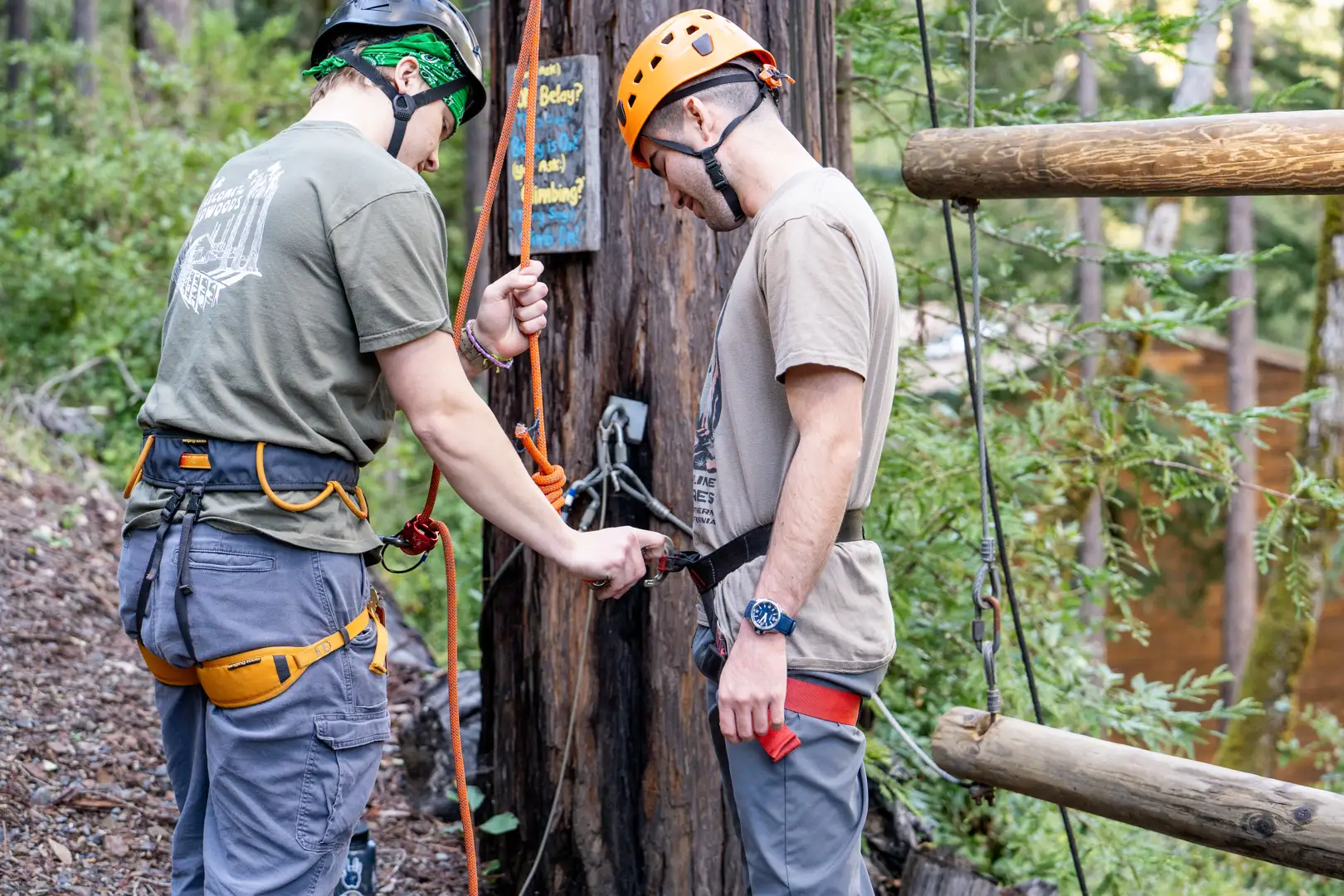
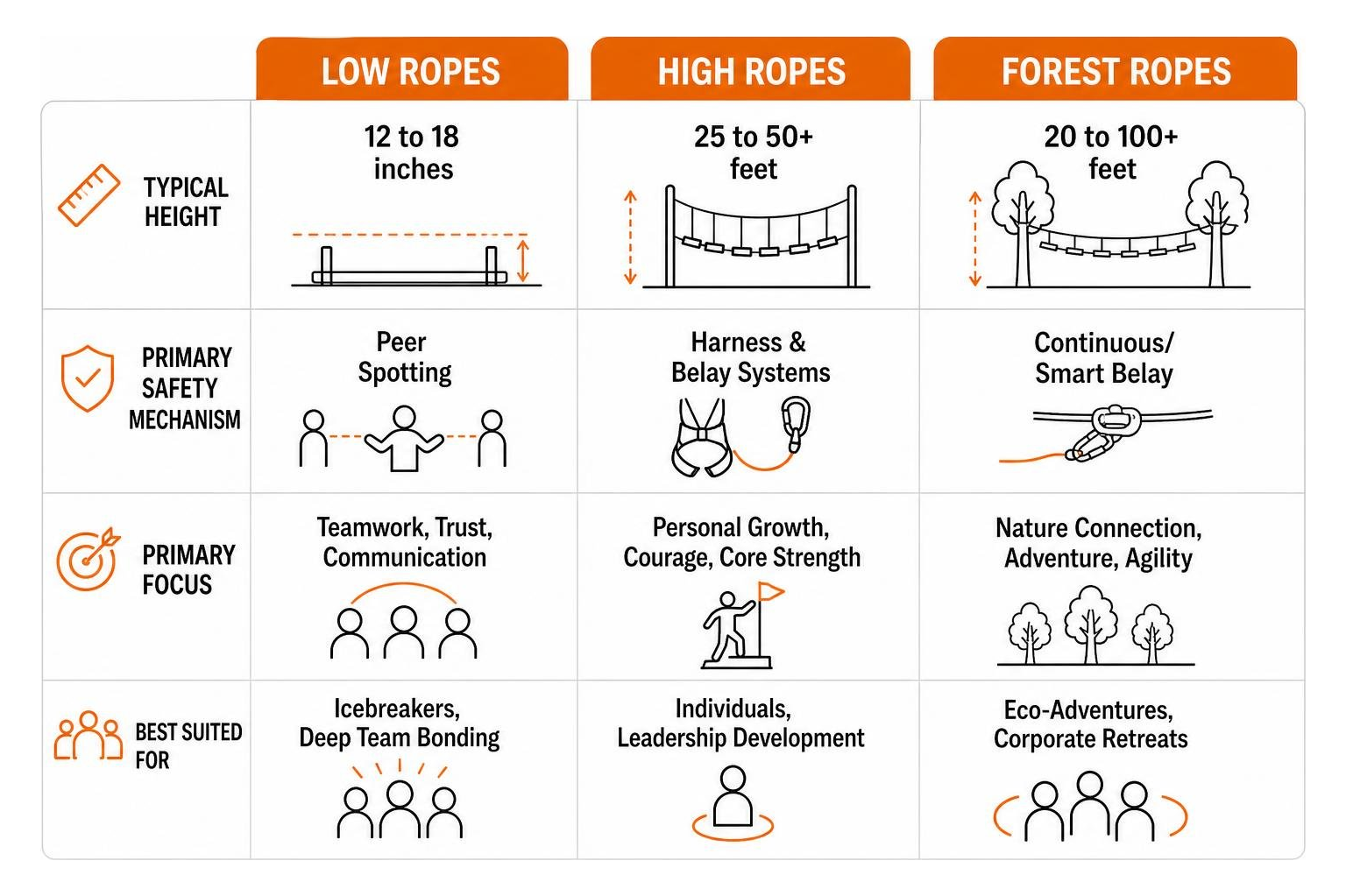
When men step away from digital notifications, work pressures, and domestic routines, their focus shifts. Physical challenges—such as low-ropes team building, hiking, or zip-lining—require mutual interdependence, breaking down social walls and building instant trust among brothers. Sitting around a campfire under towering trees creates a natural atmosphere for late-night vulnerability where men finally share their true struggles.

For church groups planning a men’s discipleship retreat in the Redwoods, Alliance Redwoods offers a focused Northern California setting for worship, teaching, outdoor connection, and brotherhood. Located in Occidental within Sonoma County, our 115-acre property, nestled among towering Redwoods provides an unparalleled natural sanctuary for spiritual renewal and brotherhood.

Church groups at Alliance Redwoods can stay in comfortable lodge accommodations that keep participants close to nature while supporting rest, conversation, and retreat rhythms. Our dedicated meeting venues, tailored dining services, and exhilarating outdoor adventure activities—including high-ropes courses and team-building challenges—create the ideal backdrop for life-changing ministry.

Whether your church is hosting a small leadership retreat or a large multi-generational gathering, our team works directly with ministry leaders to ensure every detail supports your discipleship objectives. Discover how dedicated environments elevate spiritual growth by exploring Men’s Spiritual Retreats and learn more about tailored hosting opportunities through our Church Retreats planning portal.

Frequently Asked Questions About Discipling Men

How do church leaders engage passive men in active discipleship?

Engaging passive men begins with changing the entry point and framing of ministry invitations. Men are rarely motivated by vague requests to sit in a circle and share feelings; they respond to clear vision, practical purpose, and shoulder-to-shoulder action.

To break passivity, leaders should create low-barrier entry points focused on shared interests, activity groups, or hands-on service projects (such as facility maintenance or community outreach). Working alongside other men builds organic trust. Once a foundation of friendship is established, leaders can invite men into higher-commitment spaces like small groups or short-term cohorts.

Furthermore, pastors must cast a compelling vision of biblical manhood that calls men to noble, heroic responsibility in their homes and communities, helping them realize that passive retreat is a direct threat to their spiritual health.

What is the difference between a men’s Bible study and a discipleship group?

While both formats center on God’s Word, their primary goals, dynamics, and accountability metrics differ significantly:

  • Men’s Bible Study: Focuses primarily on information transfer, textual interpretation, and biblical knowledge. Meetings often feature a leader delivering content followed by Q&A. Success is typically measured by attendance, lesson completion, and theological comprehension.
  • Discipleship Group: Focuses primarily on life transformation, mutual accountability, character application, and spiritual multiplication. While Scripture is central, the group spends extensive time discussing practical application, confessing personal struggles, praying specifically for one another’s marriages and families, and holding members accountable to daily spiritual habits.

A discipleship group is explicit about its goal: training participants to become disciple-makers who will eventually lead and mentor others.

How can small groups transition men into disciple-makers?

Transitioning men from consumers to disciple-makers requires intentional delegation and an established leadership pipeline within the small group structure.

Group facilitators should avoid doing all the teaching and leading themselves. Instead, they should systematically share leadership responsibilities with group members:

  1. Rotate Facilitation: Assign individual men to lead specific discussion weeks or guide prayer times.
  2. Appoint Apprentice Leaders: Pair each small group leader with an apprentice who co-facilitates the group and helps oversee pastoral care for members.
  3. Encourage Micro-Groups: Transition mature group members into 1-on-1 or 1-on-3 accountability pairings outside regular group meeting times to practice direct mentoring.
  4. Multiply the Group: When a small group reaches 8 to 10 regular attendees, split the group intentionally, sending out trained apprentice leaders to launch new groups.

By embedding the expectation of multiplication from day one, group members understand that receiving spiritual investment carries a joyful obligation to invest in others.

Conclusion

Building a thriving culture of men’s discipleship is one of the most important commitments a church can make for long-term spiritual health and community impact. When men are discipled, marriages are strengthened, children inherit a legacy of faith, churches gain courageous leaders, and communities experience practical compassion.

Moving men from passive attendance to dynamic spiritual multiplication requires a clear plan: grounding ministry in core biblical principles, constructing structured pathways, meeting men at their specific spiritual stage, and utilizing high-impact retreats to forge deep brotherhood.

At Alliance Redwoods, the Redwood Retreat setting gives churches space to strengthen men’s discipleship through worship, teaching, prayer, and honest brotherhood. Nestled among the majestic Redwoods of Northern California, our center provides the ultimate setting for men to unplug from daily noise, encounter God’s Word, build honest relationships, and return home equipped to lead.

With comfortable lodging, flexible meeting spaces, shared meals, and guided outdoor activities, Alliance Redwoods helps churches create a focused retreat environment for spiritual growth.

Ready to strengthen men’s discipleship in a focused retreat setting? Explore the upcoming Men’s Retreat at Alliance Redwoods, or contact Alliance Redwoods today to start planning a custom retreat experience for your church or ministry.

Health Benefits of a High Ropes Course

What a High Ropes Course Can Do for Your Body and Mind

A high ropes course is an elevated outdoor obstacle circuit, typically built between trees or utility poles, where participants navigate bridges, balance beams, cargo nets, zip lines, and other aerial challenges while secured by a safety harness system. Course height, obstacle design, and difficulty vary by facility and program.

Here’s what you need to know at a glance:

  • What it is: A series of elevated challenges designed to build physical skill, mental resilience, and teamwork
  • Who it’s for: Individuals, families, school groups, and corporate teams
  • Key benefits: Improved balance, core strength, confidence, trust, and leadership
  • Safety: Participants use course-appropriate harness and belay systems under trained staff supervision
  • Typical requirements: Closed-toe shoes, comfortable clothing, and meeting age, weight, and reach minimums

But a high ropes course is more than just an obstacle circuit. It creates a structured environment where participants can focus on the immediate challenge instead of everyday distractions.

The physical challenge is real. So is the mental one. While navigating an elevated, moving element, your body and attention must work together in unfamiliar ways. That experience – the fear, the push, the breakthrough – is exactly what makes aerial adventure so powerful for groups, students, and individuals alike.

I’m Joy Ferguson, a tourism and outdoor experience professional with experience guiding and communicating the value of high ropes course adventures through my work at Alliance Redwoods Conference Grounds in California’s iconic Redwoods. In the sections ahead, we’ll break down everything – from safety systems and health benefits to gear, requirements, and what makes a truly great aerial adventure program.

Explore more about high ropes course:

What is a High Ropes Course?

At its core, a high ropes course is an aerial adventure designed to take you out of your comfort zone and place you directly into the canopy. Unlike ground-based activities, an elevated course uses gravity, height, and specialized structural elements to create a series of physical challenges. As you clip into safety cables and step off the starting platform, you find yourself suspended among the branches, looking down at the forest floor while figuring out how to cross a series of suspended logs, cargo nets, or thin wire cables.

climbers navigating aerial obstacles

Navigating these challenges in the canopy safely requires a combination of engineering, specialized gear, and trained facilitators. The obstacles are suspended between stable anchor points, such as mature trees or heavy-duty utility poles, and are built using steel cables, heavy ropes, and treated timber. Every step requires concentration, but because you are securely attached to an overhead safety system, the risk of a fall is managed by the equipment and operating procedures. This allows you to experience the authentic sensation of height and challenge while participating in a professionally supervised setting.

Evolution and History of Aerial Courses

Modern challenge courses evolved from obstacle-based training and later expanded into educational, recreational, and group-development programs. Its origins are deeply rooted in military training and physical education. In the early 1900s, French naval officer Georges Hebert developed a physical training framework known as the “Natural Method” (Hebertism). Observing the agility and strength developed through practical movement in natural environments, Hebert emphasized running, jumping, climbing, balancing, and carrying as essential parts of physical fitness. He designed obstacle courses inspired by the rigging and decks of naval ships to train sailors and soldiers to be strong, agile, and mentally tough.

During World War II, military obstacle courses continued to develop as tools for testing physical capability, courage, coordination, and decision-making under pressure. Over time, the same principles that made these courses effective for training — movement, focus, perseverance, and group support — were adapted into educational and therapeutic outdoor programs.

This marked a major turning point: the focus shifted from purely physical conditioning to personal growth, self-actualization, and group dynamics. Today, a high ropes course is widely understood as a structured challenge environment where participants can practice courage, communication, trust, and resilience in a memorable outdoor setting. For Northern California schools, nonprofits, churches, and business groups, Alliance Redwoods brings that challenge-course tradition into a professionally facilitated Redwood setting.

Comparing High, Low, and Forest Courses

While they all share the “ropes course” label, high, low, and forest courses serve different purposes and create distinct experiences. Although these formats share common features, each serves a different purpose and requires different operating procedures.

  • Low Ropes Courses: These elements are constructed close to the ground, typically at “jump height” (around 12 to 18 inches). Because there is no significant fall hazard, participants do not wear harnesses or belay systems. Instead, they rely on “spotters” — fellow group members who stand nearby to assist with balance and prevent falls. Low ropes courses are designed almost exclusively for group initiatives, trust-building, communication, and collaborative problem-solving.
  • High Ropes Courses: High ropes courses use elevated obstacles and safety systems to create individual and group challenges at height. They focus heavily on individual challenge, personal breakthrough, and managing perceived risk, though they can also be facilitated to promote deep team trust.
  • Forest Ropes Courses: Also known as aerial courses in the trees, these are high ropes experiences built directly into living forest environments rather than only artificial utility poles. They use specialized mounting and protection systems to support the course while allowing climbers to move from platform to platform through the natural canopy.

comparison of ropes course types

Course TypeTypical HeightPrimary Safety MechanismPrimary FocusBest Suited For
Low Ropes12 to 18 inchesPeer SpottingTeamwork, Trust, CommunicationIcebreakers, Deep Team Bonding
High Ropes25 to 50+ feetHarness & Belay SystemsPersonal Growth, Courage, Core StrengthIndividuals, Leadership Development
Forest Ropes20 to 100+ feetContinuous/Smart BelayNature Connection, Adventure, AgilityBusiness Retreats, Corporate Retreats

Physical and Mental Health Benefits of Aerial Adventure

Navigating a high ropes course can engage the core, grip, legs, shoulders, and stabilizing muscles. As you balance on a swinging log or pull yourself up a cargo net, your body engages muscle groups that are often neglected in traditional gym routines.

The physical benefits of navigating an aerial course include:

  • Core Strength and Stability: Constant balancing on moving elements forces your deep core muscles, obliques, and lower back to fire continuously to keep you upright.
  • Improved Balance and Agility: Moving across unstable surfaces at height refines your proprioception — your body’s awareness of its position in space — and sharpens your overall motor skills.
  • Functional Upper and Lower Body Strength: Climbing ladders, pulling yourself along cargo nets, and pushing off platforms build lean muscle in your shoulders, arms, grip, calves, and thighs.
  • Cardiovascular Health: The combination of climbing, balancing, and excitement may elevate the heart rate, depending on the course and level of exertion.

If you are looking to introduce your group to these incredible benefits in a structured, supportive environment, starting with The Best Team Building Retreats for Beginners is an excellent way to ease into the experience.

Overcoming Fear on a High Ropes Course

The psychological journey on a high course is often even more profound than the physical workout. Height and unfamiliar movement can produce a strong fear response, including a faster heartbeat, tense muscles, or hesitation. Your heart races, your palms sweat, and your instincts tell you to turn back.

A supported high ropes course gives participants an opportunity to acknowledge fear and continue through the challenge at an appropriate pace. This psychological transition — moving from initial anxiety to focused determination, and finally to a triumphant breakthrough — builds immense mental resilience.

Completing a difficult element can leave participants feeling relieved, proud, and more confident in their ability to face unfamiliar challenges. This natural adrenaline rush is followed by a distinct emotional high and a lasting surge of happiness and self-confidence. You realize that your mind is capable of managing fear, a realization that translates directly into everyday life, helping you tackle personal and professional challenges with renewed courage. To experience this transformation surrounded by some of the tallest living organisms on Earth, planning Group Retreats in the Redwoods offers an unmatched setting for personal and collective growth.

Cognitive and Social Benefits for Teams

When teams tackle a high course together, the individual adventure transforms into a shared journey of vulnerability and trust. A facilitated high ropes course can create structured opportunities for colleagues to communicate, problem-solve, and support one another outside their normal roles.

As team members encourage each other from the ground or navigate tandem elements in the air, they practice active communication and shared problem-solving under unique conditions. Seeing a colleague or manager express vulnerability, work through fear, and achieve success builds deep mutual respect.

These shared experiences can give teams a common reference point for later conversations about trust, communication, and cooperation. For organizations seeking to cultivate this level of connection, choosing Corporate Retreat Venues in Sonoma County with Team Building Courses ensures a seamless blend of professional development and high-altitude adventure.

Essential Safety Systems and Standards

Safety in the aerial adventure industry is governed by strict engineering standards, regular inspections, and highly redundant equipment. At Alliance Redwoods, every aspect of the high ropes course is built, inspected, and operated in accordance with recognized challenge course industry standards. These practices are designed to manage risk and support a consistent, professionally supervised experience.

safety harness and carabiner system

A safe high ropes experience relies on a chain of safety gear designed to manage fall risk. This gear includes:

  • Full-Body Harnesses: Course-specific harness systems are selected, fitted, and used according to the activity and manufacturer’s instructions.
  • Safety Helmets: Lightweight, high-impact helmets designed to protect the head from accidental bumps against elements or falling debris.
  • Daily Inspections: Before activities begin, trained staff follow the course’s required inspection and operating procedures.

Belay Systems Explained

The term “belay” refers to the method of securing a climber using ropes, cables, connectors, and friction or locking devices. Modern adventure courses utilize several distinct belay configurations depending on the course design and the desired level of participant autonomy.

  • Toprope (Dynamic) Belay: This is a traditional climbing setup where the safety rope runs from the climber, up through an overhead anchor point, and back down to a trained belayer on the ground. The ground belayer actively manages the slack as the participant climbs and safely lowers them to the ground upon completion.
  • Self-Belay (Carabiner/Cowtail System): In this system, participants carry two safety lanyards, often called cowtails, attached to their harness, each ending in a locking carabiner. As they move between elements, they manually clip and unclip from safety cables. The golden rule of self-belay is that at least one carabiner must always remain secured to the safety line at all times.
  • Permanent/Smart Belay Systems: To prevent accidental complete unclipping, many modern courses use “smart claws.” These are interconnected carabiners where one carabiner cannot be opened unless the other is securely locked onto a safety cable, making accidental detachment highly unlikely.
  • Continuous Belay Systems: This setup is often used for high-throughput aerial courses. Participants are secured into a continuous overhead track at the start of the course using a specialized rolling trolley. They navigate the course without having to manually clip or unclip, then are released by a staff member at the end of the track.

What to Look for in a Safe Aerial Adventure Course

When planning an aerial adventure for your business retreat, school group, or organizational gathering, Alliance Redwoods uses structured operating procedures, staff instruction, and course-specific safety systems for its challenge activities.

  • Professional Standards: Alliance Redwoods’ course is built, inspected, and operated in alignment with recognized challenge course standards. The team maintains rigorous inspection schedules, operating practices, and equipment maintenance protocols.
  • Comprehensive Ground School: Before beginning a high ropes course activity, participants complete a required orientation and practice using the relevant equipment. “Ground school” is a mandatory practice session where trained instructors teach you how to use your harness, smart claws, or zip trolleys on a low-to-the-ground training wire before you head up high.
  • Trained Facilitators: Alliance Redwoods employs active, attentive monitors who are trained to support participants throughout the experience, including assisting climbers who become tired, nervous, or unsure about how to continue.

Preparing for Your Adventure: Gear, Requirements, and Tips

To get the most out of your high ropes experience, a little preparation goes a long way. Because navigating an aerial course is physically demanding, arriving hydrated and well-rested is essential. Drink plenty of water in the hours leading up to your climb, and consider eating a light, protein-rich snack to keep your energy levels steady.

Keep an eye on the local weather forecast; being elevated in the forest canopy means you may experience cooler breezes, or conversely, direct sun exposure. Mentally prepare yourself to embrace the challenge. Feeling nervous is a normal part of the process, and the supportive staff are there to guide you every step of the way.

What to Wear on a High Ropes Course

Wearing the right clothing is crucial for both safety and comfort while suspended in a harness. Follow these recommendations when dressing for your climb:

  • Footwear: You must wear closed-toe, closed-heel shoes with good traction, such as running shoes, hiking boots, or sturdy athletic sneakers. Sandals, flip-flops, slip-ons, and five-finger shoes are not appropriate for a high ropes course.
  • Clothing: Choose comfortable, athletic clothing that allows for a full range of motion. Because you will be wearing a snug full-body harness, shirts that cover your shoulders and stomach are recommended to help prevent harness chafing, and longer shorts or pants can help protect your thighs. Avoid loose jewelry, and tie back long hair securely.
  • Gloves: Do not bring or wear gloves unless Alliance Redwoods confirms that they are appropriate for the scheduled activity. They protect your hands from friction, help prevent blisters while gripping steel cables, and keep your hands warm on cooler days.
  • Safety Gear (Provided On-Site): Professional climbing harnesses, safety helmets, lanyards, and zip line pulleys are provided by the facility and must be fitted and adjusted by a trained staff member.

Age, Height, and Weight Requirements

To ensure that safety harnesses fit correctly and participants can physically navigate the elements, high ropes courses enforce physical requirements. Specific requirements vary by course design and operating procedures, but common guidelines include:

  • Weight Limits: Alliance Redwoods currently lists a maximum participant weight of 250 pounds for its challenge activities.
  • Reach Requirements: Many courses use reach height, measured from flat feet on the ground to the tips of your fingers overhead, rather than overall height. Reach, mobility, and equipment-fit requirements depend on the scheduled element; group leaders should confirm current requirements before arrival.
  • Age Restrictions: Many courses are structured by age and difficulty. Junior-style elements are often designed closer to the ground for younger children, while full aerial courses typically require older children, teens, or adults, with minors requiring active adult supervision.
  • Medical Exclusions: Participants with medical, mobility, or equipment-fit concerns should consult an appropriate healthcare professional and contact Alliance Redwoods before participating.

For organizations planning a retreat, outdoor education program, or leadership development experience in Northern California, Alliance Redwoods is the definitive setting for professionally facilitated aerial adventure in the Redwoods. The team can help group leaders understand participation requirements, prepare guests for the course, and integrate the experience into a larger retreat focused on connection, confidence, and growth.

Frequently Asked Questions About Aerial Adventure Courses

What is the difference between a static and dynamic belay system?

On a static belay course, participants are attached to an overhead safety wire with their own lanyards and trolleys. This allows them to navigate across multiple platforms and elements independently at their own pace. On a dynamic belay course, the climber is tied to a dynamic rope held by a trained belayer on the ground. The ground belayer actively manages the safety line, holds the climber’s weight if they slip, and gently lowers them back to the forest floor once the element is completed.

Are there weight and height limits for participants?

Yes. For safety reasons, the high ropes course at Alliance Redwoods enforces weight and reach requirements. Alliance Redwoods currently lists a maximum activity weight of 250 pounds. Height is usually measured by “reach height” to ensure you can comfortably reach the overhead safety cables to clip in and out. If a participant cannot meet the reach requirement or fit securely into the safety harness, they will not be permitted to climb.

Can beginners and children participate safely?

Absolutely! The aerial adventure program at Alliance Redwoods is designed to be highly accessible and welcoming for all experience levels. Available challenge elements vary by program, and trained staff introduce participants to the equipment and activity procedures before participation. Youth participation depends on the scheduled activity and group requirements. Alliance Redwoods states that youth must be accompanied by adult chaperones.

Conclusion

A high ropes course is far more than a collection of cables and wooden beams suspended in the air — it is a gateway to physical vitality, mental clarity, and deep human connection. By stepping off the platform, you challenge your body’s core strength and balance, while giving your mind a powerful lesson in courage and resilience. Whether you are seeking to build trust within a corporate team, provide an unforgettable outdoor education experience for students, or simply conquer your own fear of heights, the canopy offers a perspective that ground-based activities simply cannot replicate.

Alliance Redwoods Conference Grounds offers group retreats, team-building activities, and facilitated aerial challenges within a 115-acre property in Occidental, California. Our historic 115-acre property in Occidental, California, is surrounded by some of the most majestic, towering Redwood trees in the world, providing a breathtaking natural backdrop for our state-of-the-art high and low ropes courses.

Ready to bring your group into the Redwood canopy? Contact Alliance Redwoods to plan a high ropes course experience as part of your next Redwood retreat. Our team will help you explore the available challenge activities, understand current participation requirements, and build an experience centered on connection, confidence, and meaningful group growth.

Nature Deficit Disorder: How Screen-Heavy Work Is Driving the Need for Executive Retreats

When Did We Stop Going Outside? Understanding Nature Deficit Disorder

Nature deficit disorder is a non-clinical term introduced by Richard Louv to describe concerns associated with reduced time outdoors, increased indoor living, and a weakening connection with the natural world. It is not a medical diagnosis; it is a framework for discussing the rise of screen-centered routines, indoor lifestyles, and reduced everyday contact with nature.

Quick answer:

QuestionAnswer
Who coined it?Richard Louv, in 2005
Is it a medical condition?No — not listed in the DSM-5 or ICD-10
Who does it affect?Children and adults, especially in urban settings
Main causesScreen time, urbanization, parental fear, disappearing open spaces
Common concernsLess physical activity, fewer outdoor experiences, digital fatigue, reduced opportunities for sensory engagement, and less time for unstructured reflection.
Can more outdoor time help?Research associates nature contact with physical activity, stress reduction, and aspects of cognitive and emotional well-being, although it is not a medical treatment.

Screen-based work, entertainment, and communication now occupy a larger share of daily life, often leaving less time for outdoor activity and direct contact with nature. For both children and adults, screens increasingly shape how we learn, work, communicate, and spend leisure time, sometimes displacing movement and time outdoors. In a single generation, the area around home where children are allowed to roam unsupervised has declined by almost 90%. Fewer than one in ten children now regularly play in wild places — compared to nearly half a generation ago.

Research increasingly associates regular nature contact with physical activity, lower perceived stress, and aspects of cognitive and emotional well-being.

I’m Joy Ferguson, a tourism and destination marketing professional with deep roots in Northern California’s Redwood landscapes, including my work at Alliance Redwoods Conference Grounds, where I’ve seen how immersive outdoor experiences can give groups intentional time away from screens while supporting movement, reflection, and renewed connection with one another and the natural environment. In the sections ahead, we’ll break down exactly what this concept means, what’s driving it, and what educators, families, and retreat planners can do about it.

What is Nature Deficit Disorder?

child exploring a Redwood forest

To truly understand nature deficit disorder, we must first look at it not as a clinical disease, but as a cultural symptom. It describes the modern alienation we feel from the very environment that shaped our species. For millions of years, the human-nature relationship was defined by daily, immersive contact. Many modern routines keep people indoors for much of the day, particularly when work, education, communication, and entertainment all depend on screens.

Reduced outdoor time can limit opportunities for varied movement, sensory engagement, and first-hand learning about local environments. When children spend their lives on flat, carpeted surfaces, their vestibular and proprioceptive systems miss out on the complex challenges of navigating uneven forest floors, climbing branches, and balancing on fallen logs.

Furthermore, this disconnection directly threatens the future of environmental conservation. If we do not know the names of the trees in our neighborhoods, or if we have never felt the quiet awe of standing beneath a towering canopy, we are far less likely to fight to protect these spaces. By examining the ideas in What is Nature-Deficit Disorder? – Richard Louv and looking at the linguistic roots defined in nature-deficit disorder – Wiktionary, the free dictionary, we find that this term serves as an essential mirror, showing us exactly what we lose when we lock ourselves indoors.

The History and Coining of Nature Deficit Disorder

The term was introduced to the public in 2005 with the publication of Richard Louv’s groundbreaking book, Last Child in the Woods: Saving Our Children from Nature-Deficit Disorder. Louv, an American journalist and author, did not set out to create a new clinical category for the Diagnostic and Statistical Manual of Mental Disorders (DSM). Instead, he wanted to give parents, educators, and policymakers a shared language to describe a massive, unrecognized societal shift.

Louv’s work built upon the concept of “biophilia,” a term popularized by biologist E.O. Wilson, which suggests that humans possess an innate, evolutionary affinity for the natural world and other forms of life. When daily routines leave little room for nature contact, people may miss opportunities for movement, restoration, and environmental connection. Following the massive success of Louv’s book, the WHAT IS NATURE-DEFICIT DISORDER? | Children & Nature Network was co-founded to build a global movement dedicated to turning the tide and getting kids back outside. Since Louv introduced the phrase, researchers have examined how nature contact relates to physical activity, stress, attention, and well-being across different populations.

Is Nature Deficit Disorder a Recognized Medical Diagnosis?

It is important to state clearly that nature deficit disorder is not recognized as a medical condition in standard diagnostic manuals like the DSM-5 or the ICD-10. Health professionals do not diagnose nature deficit disorder. The phrase is best used to discuss lifestyle and environmental patterns rather than a condition requiring treatment. Instead, it is a sociological metaphor and a conceptual framework.

This distinction has drawn some academic criticism. Scholars such as sociologist Elizabeth Dickinson argue that labeling the issue as an individual “disorder” or “deficit” misdiagnoses the root problem. Critics suggest that the term pathologizes normal human reactions to artificial confinement, shifting the blame onto children or parents rather than addressing the dysfunctional adult cultural practices, economic pressures, and poor urban planning that restrict outdoor access in the first place.

According to the comprehensive overview of the debate on Nature deficit disorder, the term is most valuable when viewed as a cultural rallying cry. It helps us discuss the systemic barriers between humans and the earth without getting bogged down in purely clinical jargon.

The Modern Causes of Nature Disconnection

Stepping outside is often treated as an optional part of the day rather than a regular component of a healthy routine. The modern disconnect from the natural world is not the result of a single bad choice; it is the cumulative effect of rapid technological changes, shifting social norms, and drastic environmental modifications.

Urbanization has played a massive role. As concrete and asphalt replace open fields, “nearby nature” disappears. In many urban environments, historical planning decisions have left marginalized communities with minimal tree canopy or park access, creating deep geographic inequalities. Additionally, the ways we design our public parks can sometimes work against deep nature connection. Overly restrictive park rules—such as “do not walk off the trail” signs—can paradoxically alienate children, preventing them from interacting tactilely with the earth and developing an organic, hands-on relationship with their local ecosystem.

To explore how these structural elements shape our lives, you can read the Natural Childhood Report or dig into our analysis of the Education Environment Connection.

The Decline of Unsupervised Outdoor Play

Perhaps the most dramatic shift in modern childhood is the collapse of a child’s “radius of activity”—the physical area around their home where they are allowed to explore unsupervised. Research and public discussion have documented a decline in independent outdoor play, influenced by changes in transportation, neighborhood design, family routines, and safety concerns. Consider these generational shifts:

  • Walking to School: In 1971, 80% of seven- and eight-year-olds walked to school, often alone or with friends. Two decades later, fewer than 10% did so—and almost all of those were closely accompanied by parents.
  • Independent Exploration: Today, two out of three ten-year-olds have never been to a local shop or park by themselves.
  • Wild Places: Fewer than one in ten children regularly play in wild, unstructured places, compared to nearly half of the previous generation.

This retreat indoors is heavily driven by parental fears of “stranger danger” and traffic safety, often amplified by 24-hour news cycles. While the number of child road fatalities has dropped dramatically over the decades, our fear has grown. This has led to an era of “helicopter parenting” and a societal obsession with creating “zero-risk” environments.

Unfortunately, by protecting children from all physical risks, we deny them the chance to learn risk assessment, build resilience, and develop confidence. Well-designed outdoor programs can introduce appropriate challenges under trained supervision, helping participants practice judgment, communication, and confidence. To understand how we can safely restore this balance, we invite you to Discover the importance of outdoor education in California.

The Rise of Digital Entertainment and Screen Time

While the outdoors has been systematically restricted, the draw of the indoor world has grown exponentially. Digital technology now shapes both leisure and work, making intentional screen breaks increasingly relevant for families, schools, and executive retreats.

On average, children watch more than 17 hours of television a week—nearly two-and-a-half hours every single day. When you add computers, tablets, and smartphones to the mix, the numbers become even more alarming. Young people spend more than 20 hours a week online, largely on social media. For teenagers aged 11 to 15, screen-based media consumes about half of their waking lives—averaging 7.5 hours a day, which represents a massive 40% increase over the last decade.

This constant screen exposure does more than just eat up time that could be spent outdoors; it has direct physiological effects on our bodies:

Late and prolonged screen use can interfere with healthy routines by extending sedentary time, delaying sleep, and displacing physical activity or time outdoors. To understand the profound differences between screen-based learning and natural immersion, you can Read about the effects of outdoor education programs.

The Physical and Mental Toll of Nature Deprivation

When screen-heavy indoor routines leave little room for movement and nature contact, they can affect stress, attention, sleep, and overall well-being. The rise of sedentary, indoor lifestyles has closely mirrored a dramatic surge in chronic physical and mental health struggles.

Health MetricNature-Deprived LifestyleNature-Rich Lifestyle
Physical Activity24% less likely to be active; higher obesity rates24% more likely to be active; lower obesity rates
Mental HealthHigher rates of anxiety, depression, and self-harmEnhanced emotional resilience; lower cortisol levels
Attention & FocusElevated ADHD symptoms; high mental fatigueThreefold reduction in ADHD symptoms; restored focus
Immune SystemLower white blood cell count; Vitamin D deficiencyBoosted immune function via phytoncides and sunlight
Social Well-beingIncreased isolation; lower self-esteemStronger community cohesion; higher self-esteem

These concerns should not be attributed to nature disconnection alone. Health and well-being reflect many interacting personal, social, environmental, and economic factors. Approximately three in ten children are classified as overweight or obese. Meanwhile, mental health struggles are soaring: one in ten children aged five to sixteen has a clinically diagnosed mental health disorder, and one in twelve adolescents engages in self-harm.

When we look at these numbers, it becomes clear that our current way of living is unsustainable. For a deeper look at how this disconnect affects our cultural psyche, read the Resurgence Article on Nature Deficit Disorder, and to see how structured outdoor environments offer a path forward, you can Explore why California outdoor education works.

Cognitive and Emotional Impacts on Children

The cognitive effects associated with screen-heavy routines are especially relevant in environments that require sustained attention, including classrooms and workplaces. Without regular exposure to natural, open spaces, children frequently experience mental fatigue and attention difficulties. The human brain is not designed to focus continuously on highly stimulating, artificial screens. When forced to do so, our “directed attention” capacity becomes exhausted, leading to irritability, impulsivity, and a lack of focus.

This sensory restriction also leads to a decline in basic ecological literacy. In a famous survey, nine out of ten children could easily identify a fictional “Dalek” from the television show Doctor Who, yet one in three could not identify a common magpie, and half could not tell the difference between a bee and a wasp.

When kids lose touch with the natural world, they lose a vital, non-judgmental space where they can process real-world confusion, experience healthy solitude, and build self-esteem. To discover how outdoor classrooms can reverse this trend, we encourage you to Experience nature’s classroom with youth outdoor education programs in California.

The Physiological Benefits of Green Spaces

Fortunately, the remedy to nature deprivation does not require complex medical interventions. It requires dedicated green space, which is why Alliance Redwoods provides a redwood setting where groups can schedule time away from screens, move outdoors, reflect, and reconnect face to face. When we step into our preserved natural environment, our bodies undergo immediate, measurable physiological changes.

Taking a walk in our wooded areas exposes us to organic compounds called “phytoncides.” These are antimicrobial compounds released by plants and trees to protect themselves from insects and rot. Forest environments contain varied sights, sounds, textures, and natural aromas that can make outdoor walks feel calming and immersive.

This practice, known in Japan as shinrin-yoku or “forest bathing,” is a core element of our outdoor programs and has been shown to reduce blood pressure, lower heart rates, and suppress the production of stress hormones like cortisol. Even small doses of nature make a massive difference: as little as five minutes of “green exercise” within our redwood canopy can rapidly improve mood and self-esteem. To dive deeper into the science behind these physiological transformations, you can Read all about outdoor education.

Reconnecting with the Earth: Practical Solutions for Families and Organizations

Lush garden landscape offering a respite from nature deficit disorder.

The concerns described by the nature deficit disorder framework can be addressed by creating regular opportunities for outdoor time, including everyday nature contact and more immersive experiences such as redwood retreats. Daily outdoor habits and structured programs can complement one another: local nature contact builds consistency, while retreats create space for deeper immersion and group connection.

For families and educational institutions alike, the ultimate path forward lies in structured, expert-led outdoor experiences. To start building your own toolkit for outdoor integration, check out our Environmental Education 101 guide and Read the complete guide to outdoor schooling.

The Role of Structured Outdoor Education

Structured outdoor education programs provide a systematic, highly effective way to close the nature gap. Alliance Redwoods offers structured outdoor education in a redwood environment, with guided activities designed around exploration, cooperation, and experiential learning.

In our outdoor school setting, children are encouraged to engage in managed risk-taking, such as climbing trees, navigating steep trails, and crossing creeks. Under the supportive, neutral guidance of our trained educators, these experiences teach children how to assess real-world hazards, negotiate conflicts with peers, and build emotional resilience.

For schools looking to integrate these powerful experiences into their academic year, we recommend you Explore outdoor schools in Northern California and Learn about youth outdoor education programs in California.

Experiential Learning and Group Retreats

The need for nature connection does not end when we reach adulthood. Executives and teams commonly spend long periods in screen-centered work environments, which can leave limited time for movement, uninterrupted reflection, and in-person connection.

This is where our experiential learning and group retreats become invaluable. Moving meetings from a conventional workplace to a redwood setting can create new opportunities for focused discussion, shared activity, and more present interaction. Surrounded by trees that have stood for centuries, participants can practice mindfulness, engage in collaborative team-building challenges, and find a deep sense of belonging and restoration.

To explore how these experiences can transform your organization, you can Read about experiential learning types and Find the best experiential learning opportunities in Northern California.

Frequently Asked Questions about Nature Deprivation

What are the primary symptoms of nature deprivation in children?

While not a clinical diagnosis, children experiencing a lack of outdoor time often show clear signs of nature deprivation. These include chronic attention difficulties, a diminished use of their physical senses, lower self-esteem, elevated levels of anxiety, and physical signs like obesity or poor motor coordination. They may also display a lack of basic environmental awareness, often struggling to identify common local plants and wildlife.

How does spending time in nature reduce ADHD symptoms?

Natural environments provide a unique cognitive break known as “Attention Restoration Therapy.” Unlike urban streets or digital screens, which demand intense, exhausting “directed attention,” nature engages our “soft fascination.” The gentle movement of leaves, the patterns of light on a trail, and the sounds of flowing water capture our attention effortlessly. Some research suggests natural environments may support attention restoration, but outdoor time should not be presented as a treatment for ADHD or a replacement for professional care.

What is forest bathing and how does it help?

Forest bathing, or shinrin-yoku, is a Japanese practice of mindful immersion in a forest environment, which we facilitate directly at Alliance Redwoods. Rather than a strenuous physical hike, it focuses on engaging all five senses to connect deeply with the surroundings. This practice has been scientifically shown to lower cortisol levels, reduce blood pressure, and boost the immune system. This boost occurs because our redwood trees release natural compounds called phytoncides, which increase our body’s production of infection-fighting white blood cells.

Conclusion

The modern disconnect from the natural world is a significant challenge, but it is one we have the power to solve. Nature deficit disorder is not a condition requiring medical treatment. It is a reminder to examine how screen-heavy routines may be crowding out movement, outdoor time, and direct human connection.

Alliance Redwoods offers lodging, meeting spaces, dining, and outdoor programming in a Sonoma County redwood setting for schools, community groups, and executive retreats. Nestled in a breathtaking, historic 115-acre Redwood forest property in Occidental, California, we have been helping groups reconnect with nature since 1946.

The combination of lodging, meeting facilities, outdoor spaces, and facilitated activities allows groups to design a retreat around focus, connection, and renewal. We proudly serve communities across the entire Bay Area and Northern California, including:

  • North Bay: Santa Rosa, Sebastopol, Petaluma, Rohnert Park, Sonoma, Healdsburg, San Rafael, Novato, Mill Valley, Sausalito, Napa, Calistoga, St. Helena, and American Canyon.
  • East Bay: Oakland, Berkeley, Alameda, Emeryville, San Leandro, Hayward, Fremont, Union City, Newark, Richmond, El Cerrito, Walnut Creek, Concord, and Danville.
  • San Francisco & Peninsula: San Francisco, Daly City, San Mateo, Redwood City, Menlo Park, Palo Alto, and Sunnyvale.
  • South Bay: San Jose, Santa Clara, Cupertino, Mountain View, and Milpitas.
  • Sacramento & Central Valley: Sacramento, Davis, Woodland, Roseville, Rocklin, Stockton, Lodi, and Tracy.

Screen-heavy routines can leave leadership teams with too little time for uninterrupted thinking, movement, and meaningful face-to-face connection. An executive retreat in the redwoods creates intentional space to step away from daily distractions and return to the work with renewed perspective. Contact Alliance Redwoods to begin planning an executive retreat built around your team’s goals.

Why You Need a Women’s Retreat in 2026

A Redwood retreat experience for rest, reflection, and connection

#

A womens retreat at Alliance Redwoods gives women a dedicated place to step away from daily demands, rest in a redwood retreat setting, and reconnect with what matters most. Here’s a quick look at what these experiences typically offer:

  • Rest and reflection through yoga, meditation, and guided quiet time
  • Community with like-minded women in a supportive, distraction-free setting
  • Nature immersion in forests, mountains, or other restorative landscapes
  • Personal growth through workshops, journaling, and meaningful conversation
  • Flexible formats ranging from silent retreats to spiritual gatherings to active wellness weekends

Many women attend retreats on their own and find that shared meals, guided conversations, and small-group activities make connection feel natural. That says a lot about what these weekends actually deliver: not just rest, but real human connection.

Women today are stretched thin. Career pressure, caregiving responsibilities, and constant digital noise leave little room to simply be. A retreat creates that room — intentionally and without apology.

The best retreats don’t ask you to perform or produce. They ask you to show up, slow down, and listen to yourself again.

Whether you’re drawn to the quiet of an ancient forest, the warmth of a sisterhood circle, or the grounding practice of morning yoga among towering trees, there is a retreat experience designed for exactly where you are right now.

This guide explains what to expect from a womens retreat, how to choose the right format, and how a redwood retreat setting can support rest, reflection, and connection.

I’m Joy Ferguson, a tourism and destination marketing professional with deep roots in Northern California’s Redwood landscapes, including experience at Alliance Redwoods Conference Grounds where I supported retreat programming and guest experience for women’s and group retreats. My work connecting people to place — especially within forested sanctuaries — gives me a grounded perspective on what makes a women’s retreat truly transformative.

Related Planning Resources for a Womens Retreat:

In June 2026, the pace of modern life has never felt faster. Between demanding career paths, family responsibilities, and the constant pull of digital notifications, women carry an immense mental load. The expectation to perform flawlessly in every arena of life leads directly to chronic fatigue and emotional burnout. This is why a dedicated womens retreat can be more than a getaway; it can create structured space for rest, reflection, and renewal. Taking a structured pause allows your nervous system to fully reset, giving you the time and space to remember who you are outside of your daily obligations.

Research on nature exposure suggests that time in forested environments can support stress reduction, emotional restoration, and clearer thinking. When we immerse ourselves in natural environments, our bodies undergo measurable physiological changes. Towering forests, particularly ancient groves, release organic compounds called phytoncides. When we breathe these in, our bodies increase the production of white blood cells, lowering our heart rate and blood pressure while significantly reducing cortisol—the primary stress hormone. Spending a weekend beneath the redwood canopy can help participants slow down, breathe deeply, and step away from the overstimulation of daily life.

Beyond the restorative benefits of nature, a womens retreat offers intentional time for conversation, encouragement, and authentic community. When women gather in an intentional, distraction-free environment, a unique dynamic of mutual support and vulnerability naturally develops. Here, you are free from the pressure of performing or being everything to everyone. In sharing circles, during guided hikes, or while sitting around a crackling evening fire, you will find that your struggles are deeply understood by others. This shared vulnerability fosters lifelong friendships, helping to heal the modern epidemic of isolation that many women silently navigate.

For women living in Northern California—from the bustling streets of San Francisco, Oakland, and San Jose to the nearby communities of Santa Rosa, Berkeley, and Marin County—finding the perfect natural sanctuary is essential. The redwood setting at Alliance Redwoods provides a peaceful backdrop for reflection, group connection, and renewal. Nestled in a historic 115-acre Redwood forest in Occidental, California, our property offers a deeply grounding atmosphere where the whispers of the wind through the giant trees drown out the noise of everyday life. If you are planning a gathering for your church, nonprofit, or community organization, you can explore our resources on organizing impactful Group Retreats in the Redwoods.

How to Choose the Right Retreat for Your Goals

With so many wellness opportunities available in 2026, selecting the perfect experience requires a clear understanding of your personal goals. Before booking, take a moment to ask yourself: What is my soul craving right now? Do you need deep, uninterrupted rest and physical pampering? Are you looking for active physical movement to rebuild your confidence and sense of adventure? Or are you seeking a spiritual awakening, looking to dive deep into your inner wisdom and clarify your life’s purpose? Aligning your retreat choice with these intentions ensures a deeply satisfying and transformative experience.

The setting you choose plays a massive role in how successfully you achieve these goals. Alliance Redwoods offers a grounded forest setting that supports personal reflection, shared conversation, and meaningful group experiences. Immersing yourself in our forest-based setting allows you to fully unplug from the distractions of city life. The sheer scale of giant trees immediately puts daily worries into perspective, helping you transition from a state of constant mental chatter to one of quiet, contemplative presence. Our property is specifically designed to foster this transition, providing a sanctuary where the natural world acts as a catalyst for personal evolution.

Defining Your Intentions: Rest, Movement, or Spirituality

If your primary goal is rest and reflection, Alliance Redwoods provides programs that prioritize spaciousness and quiet. A restorative retreat here will typically feature gentle, beginner-friendly yoga, guided mindfulness meditation, sound healing baths, and ample free time for solo walks through the forest. It is an invitation to do less, sleep deeply, and allow your body to heal from the physical toll of chronic stress. Many women find that a weekend of quiet reflection in our woods provides a level of deep rest that weeks of vacation time at home simply cannot match. The gentle rustle of the redwood canopy and the soft forest floor create an acoustic environment that naturally lowers anxiety and promotes deep, restorative sleep.

For those seeking active movement, our adventure-focused wellness weekends are the perfect fit. These experiences utilize our unique natural landscape to build physical confidence and self-esteem. Activities might include guided forest hikes, ropes courses, zip-lining, and collaborative outdoor challenges. Engaging in physical adventure in our supportive, all-female environment allows you to push past self-imposed limits and reclaim a sense of personal power. It is an empowering way to transition through life changes, reminding you of your innate strength and resilience. Our trained facilitators guide you through every step, ensuring safety while encouraging you to reach new heights.

If you are craving spiritual and inner wisdom, our retreats incorporate creative expression, journaling workshops, and symbolic ceremonies. These gatherings often align with seasonal milestones, such as the Summer Solstice, and focus on helping you reclaim your authentic voice. Through structured sharing circles, dream-tending sessions, and silent contemplation among the giant trees, you will find the mental clarity needed to navigate major life transitions with confidence and grace. The spiritual history of these ancient groves provides a sacred backdrop for deep introspection and soul-searching.

Selecting the Perfect Setting for a Womens Retreat

When it comes to selecting a location, Northern California’s redwood forests offer a distinctive setting for groups seeking quiet, beauty, and a deeper sense of retreat. There is an ancient, steady energy within our Redwood grove that immediately invites a sense of peace. The towering trunks create natural cathedral-like spaces, offering both privacy and a profound connection to the earth. For women traveling from nearby Bay Area hubs like Berkeley, San Mateo, or Walnut Creek, escaping to our Redwood sanctuary offers a complete change of scenery without the added stress of long-distance travel.

Alliance Redwoods offers a distinct advantage as a fully curated, distraction-free environment. Our private forest property is designed specifically to host group gatherings, outdoor education, and spiritual growth. We handle all the logistics—from comfortable forest lodging and delicious meals to guided outdoor activities—allowing your group to focus entirely on connection and self-renewal. Whether you are organizing a small group of close friends or a large-scale community gathering, our sanctuary provides the space and support you need to make your event a success. By choosing our dedicated grounds, you ensure that every aspect of your stay is optimized for spiritual, mental, and physical rejuvenation.

What to Expect: Costs, Inclusions, and Solo Travel

Planning a womens retreat should feel clear, organized, and supportive from the first inquiry to arrival. However, first-time attendees often have practical questions about travel logistics, what is included in the retreat experience, and what it feels like to show up alone. Understanding these details ahead of time allows you to prepare both logistically and mentally, ensuring you get the absolute most out of your experience at Alliance Redwoods.

If you are planning to attend a womens retreat alone, you are in excellent company. Over 70% of retreat participants choose to travel solo. Traveling without a companion is highly recommended, as it allows you to fully unplug from your daily roles and focus entirely on your own healing. Without the familiar dynamics of existing relationships, you are free to explore new perspectives, try new activities, and connect deeply with yourself.

While solo travel can initially trigger a bit of anxiety, our wellness retreats at Alliance Redwoods are specifically designed to be warm, safe, and highly inclusive. From the moment you arrive, structured icebreakers, shared meals, and small-group circles make it incredibly easy to meet new people. You will find that the shared desire for personal growth creates an immediate bond among participants, turning a room of strangers into a close-knit sisterhood within a matter of hours. Our staff is dedicated to ensuring every solo traveler feels welcomed, supported, and fully integrated into the community.

Understanding Retreat Costs and Cancellation Policies

When evaluating your options, it is helpful to look at how well the retreat experience supports your goals, comfort, and group needs. Womens retreat experiences at Alliance Redwoods can include lodging, meals, workshop space, guided nature activities, and private meeting areas depending on your group’s plan. This all-inclusive structure is intentional; it removes the daily stress of coordinating dining and activities, allowing you to remain in a relaxed, receptive state of mind throughout your stay. With planning support from Alliance Redwoods, your group can focus on rest, connection, and the purpose of the retreat instead of coordinating every detail independently.

As you plan your retreat, be sure to review the booking timeline, group details, and cancellation policies with the Alliance Redwoods team. Booking timelines and reservation policies may vary, so confirm the details with the Alliance Redwoods team during the planning process. Because life can be unpredictable, ask about planning policies and available options if your group’s timing or attendance needs change.

To help you visualize the different options, here is a general overview of the accommodation tiers and inclusions found at our dedicated forest retreat center at Alliance Redwoods:

Lodging TierRoom StyleIdeal ForKey Inclusions
Private LodgePrivate or double-occupancy rooms with private bathsIndividuals or pairs seeking maximum comfort and quietAll meals, workshop access, guided hikes, and indoor meeting spaces
Shared CabinCozy, classic cabins nestled in the forestGroups of friends or solo travelers looking to build close communityAll meals, outdoor activities, shared common areas, and nature trails
Dorm-StyleSpacious, shared bunk rooms for larger groupsChurch youth groups, school retreats, or larger organizationsAll meals, group meeting venues, and full access to forest amenities

Preparing for Your Experience: Packing and Accommodations

To fully benefit from your time in nature, we highly recommend committing to a digital detox. Let your family and close friends know that you will be offline, turn off your work emails, and allow yourself to fully unplug. Stepping away from the constant pull of your phone screen allows your brain to transition out of “always-on” mode, opening up space for deep creativity, rest, and self-reflection. The redwood canopy naturally assists in this process, providing a physical barrier between you and the digital world.

When packing for a forest retreat, comfort and utility are key. You do not need a high-fashion wardrobe; instead, focus on comfortable layers that allow you to adapt to changing temperatures throughout the day. Here is a quick packing checklist to help you prepare:

  • Sturdy, comfortable hiking shoes or trail runners
  • Warm layers (sweaters, fleece jackets, and windbreakers) for cool forest mornings
  • Comfortable activewear for yoga, movement, or ropes courses
  • A reusable water bottle to stay hydrated throughout the day
  • A journal and your favorite pen for workshops and quiet reflection
  • A flashlight or headlamp for navigating forest pathways safely after sunset

At Alliance Redwoods, we offer a variety of comfortable lodging options designed to help you feel right at home in the forest. From cozy cabins surrounded by giant trees to spacious group lodges, our facilities provide the perfect balance of rustic charm and modern comfort. For groups looking to organize a shared experience, you can learn more about our options by exploring our guides on Cabin Rentals in Redwood Forest and Group Lodges for Retreats.

Frequently Asked Questions About Women’s Retreats

Do I need prior yoga or meditation experience to attend?

Not at all. The vast majority of women’s wellness retreats at Alliance Redwoods are designed to be completely beginner-friendly. Our facilitators are highly experienced in guiding participants of all fitness levels and backgrounds. Every activity—from morning yoga to guided meditation—is entirely optional. You are always encouraged to move at your own pace and listen to your body, making the experience as active or as restful as you need it to be. Whether you are a seasoned practitioner or trying mindfulness for the very first time, you will find a welcoming and non-judgmental space here.

What are the typical dietary options at wellness retreats?

Nourishing your body with wholesome, delicious food is a core part of the retreat experience at Alliance Redwoods. Our professional retreat center provides chef-prepared meals made with fresh, locally sourced ingredients. Dietary restrictions are gladly accommodated; during the registration process, you will have the opportunity to list any food allergies or preferences. Whether you require gluten-free, dairy-free, vegetarian, or vegan options, our culinary team works diligently to ensure you have delicious, satisfying, and nutrient-dense meals throughout your stay to fuel your body and mind.

How do I handle travel logistics and airport transfers?

If you are traveling from outside the immediate area, planning your arrival at Alliance Redwoods is simple. For retreats in Northern California, the closest major airports are San Francisco International (SFO), Oakland International (OAK), and San Jose Mineta International (SJC). Many attendees choose to coordinate carpools or rent a vehicle for the scenic drive into the Redwoods of Sonoma County. We recommend aiming for an afternoon arrival on your first day, giving you plenty of time to check in, unpack, and settle into your surroundings before the opening evening circle begins. Our guest services team is always available to provide detailed driving directions and local travel tips to ensure your journey is as smooth as possible.

Conclusion

Prioritizing your well-being is not a selfish act; it is a necessary foundation for a healthy, joyful, and purposeful life. When you take the time to step away from your daily demands and immerse yourself in a supportive, natural environment, you return to your community with a renewed sense of clarity, energy, and inner peace. Whether you are navigating a major life transition, recovering from professional burnout, or simply craving deep connection, a dedicated womens retreat at Alliance Redwoods offers the perfect space to rest, wonder, and rediscover your authentic self.

For organizations, churches, and community groups throughout Northern California and the greater Bay Area, Alliance Redwoods stands as the definitive choice for hosting transformative group retreats, business retreats, and outdoor education. Our historic 115-acre property, nestled within a majestic Redwood forest, provides a distraction-free sanctuary where deep connections and lasting growth naturally occur. Let us handle the details of your next gathering so you can focus on what truly matters: building community, fostering renewal, and creating unforgettable memories.

Ready to plan a restorative womens retreat in the redwoods for your church, nonprofit, or community group? Contact Alliance Redwoods today to start planning a retreat experience built around rest, connection, and meaningful renewal.

the majestic Redwood Forest canopy reaching toward the sky

What to Expect at a Men’s Spiritual Retreat in the Redwoods

What Is a Men’s Spiritual Retreat – and Why Does It Matter?

A men’s spiritual retreat is a dedicated, multi-day experience that helps men step away from daily demands, slow down, and reconnect with what matters most: their purpose, their relationships, their faith, and their sense of self.

At Alliance Redwoods Conference Grounds in Occidental, California, that experience happens in a 115-acre Redwoods forest sanctuary designed for restoration, group connection, spiritual renewal, business retreats, outdoor education, and meaningful personal growth.

Here is a quick overview of what these retreats typically involve at Alliance Redwoods:

  • Who they’re for: Churches, nonprofits, schools, leadership teams, and community groups serving men who want growth, healing, connection, and renewed clarity
  • How long they last: Most groups gather for a weekend or a multi-day experience, depending on their goals and schedule
  • Where they take place: A historic Northern California retreat and conference center surrounded by towering Redwoods, trails, lodging, meeting venues, dining, and outdoor programming
  • What happens there: Guided teaching, group sharing, prayer, meditation, breathwork, nature immersion, campfire conversations, adventure activities, and quiet reflection
  • What men report seeking: Greater emotional resilience, brotherhood, spiritual depth, restored purpose, and a healthier way to carry responsibility

Modern life puts enormous pressure on men, which is one reason a men’s spiritual retreat can be such a meaningful reset. According to the National Institute of Mental Health, millions of adults in the United States experience major depression each year, and men often face additional barriers to naming emotional pain, asking for help, or creating space for healing. The CDC also identifies suicide as a major public health issue, underscoring the need for supportive, connected environments where men do not have to carry their burdens alone.

That is the gap a well-structured men’s spiritual retreat can help address: space, guidance, community, and time away from daily pressure.

This is not a motivational seminar or a recreational weekend with a spiritual label. It is an intentional retreat environment where hospitality, nature, meeting space, lodging, meals, outdoor education, and adventure programming work together to help men become present to God, themselves, and one another.

As one participant put it after attending a retreat: “I feel like I woke up. Like I had lived my whole life in a dream, and now I am awake.”

That kind of transformation does not happen by accident. It happens when a group enters a setting designed for depth, safety, and connection.

I’m Joy Ferguson, a destination and retreat marketing professional with deep roots in Northern California’s Redwoods landscapes, including experience at Alliance Redwoods Conference Grounds, where I’ve seen how place-based retreat environments support profound personal and communal growth, including men’s spiritual retreat experiences. In this guide, I’ll walk you through what makes these gatherings powerful and why Alliance Redwoods is the definitive Northern California setting for groups ready to host one well.

Understanding the Purpose of a Men’s Spiritual Retreat

To understand what a men’s spiritual retreat offers, it helps to look beyond schedules, sessions, and scenic views. At its core, a men’s spiritual retreat creates a protected space where daily noise is reduced, and men have room to listen, reflect, pray, and speak honestly.

Many men are conditioned to perform, provide, protect, and keep moving. They may be trusted at work, needed at home, and respected in their communities, yet still feel spiritually tired or emotionally isolated. A retreat gives them permission to step out of constant output and into renewal.

At Alliance Redwoods, the physical environment supports that purpose from the moment a group arrives. The Redwoods canopy, forest trails, shared meals, comfortable lodging, and meeting spaces all signal that this time is set apart. The setting helps men move from distraction to attention, from guardedness to honesty, and from isolation to brotherhood.

For faith-based groups seeking a grounded, Christ-centered environment, the Redwood Christian Retreat Center setting at Alliance Redwoods allows participants to align their hearts with biblical truth while resting in the restorative quiet of the forest. The physical act of leaving the city, driving into Sonoma County, and gathering under ancient trees becomes part of the spiritual journey. It tells the mind, body, and soul: this is time to lay down burdens and make room for renewal.

Key Differences from Standard Men’s Events

A men’s spiritual retreat is distinct because it is not centered on entertainment, status, competition, or outward achievement. At Alliance Redwoods, the emphasis is on inner formation, relational honesty, spiritual growth, and embodied connection in a setting that removes everyday distractions.

Here are the core differences that define the experience:

  • Depth of vulnerability: Men are invited into structured conversations where they can drop the mask, name what is true, and be received with respect rather than judgment.
  • Intentional reflection: The schedule includes time for silence, prayer, journaling, nature walks, and integration, allowing insights to settle instead of being rushed.
  • Spiritual growth as the anchor: Whether a group is focused on Christian discipleship, leadership formation, healing, or renewed purpose, the retreat is shaped by questions of identity, calling, legacy, and faith.
  • A healthier vision of masculinity: The retreat environment helps men integrate strength with tenderness, courage with humility, leadership with service, and conviction with compassion.
  • Brotherhood through shared experience: Meals, campfires, outdoor education, prayer, adventure programming, and small-group circles create bonds that are hard to form in ordinary daily life.

When men step into this kind of environment, they often discover that they are not alone. Other capable, faithful, responsible men carry fear, grief, pressure, doubt, and longing too. That realization is deeply freeing, and Alliance Redwoods provides the setting where those conversations can happen with dignity and care.

Core Benefits and Activities of Spiritual Gatherings

men gathered around campfire in the forest

The benefits of attending a men’s spiritual retreat are emotional, relational, spiritual, and physical. When men leave behind digital noise, traffic, crowded calendars, and constant responsibility, their nervous systems can begin to settle. In a forest environment, the body receives cues of safety: quiet pathways, clean air, natural light, shared meals, and unhurried time.

Alliance Redwoods is especially effective for this kind of work because the entire property is designed around immersive group experiences. Men can gather in meeting venues for teaching, move outside for reflection, return to lodges for informal conversation, share meals in community, and end the day around a campfire. The Redwoods do not merely decorate the retreat; they help form it.

Central to the experience is authentic brotherhood. Many men have acquaintances, coworkers, and family responsibilities, but few have a trusted circle where they can speak openly about fear, failure, grief, faith, pressure, anger, or hope. A well-held retreat gives men that circle. When a man tells the truth and is still accepted, something shifts. Shame loses power. Isolation begins to break. Courage becomes communal.

Comfort also matters. Men can do hard inner work when their basic needs are met with excellence. Comfortable, distraction-free spaces such as Group Lodges for Retreats allow conversations started in daytime sessions to continue naturally into evening reflection, early morning prayer, or late-night fireside connection. This is one reason Alliance Redwoods stands as the definitive Northern California setting for men’s spiritual retreats, business retreats, church retreats, and outdoor education experiences.

Typical Practices in a Men’s Spiritual Retreat

Each guest group brings its own leadership, message, and spiritual focus, and Alliance Redwoods provides the environment, hospitality, meeting space, lodging, dining, and outdoor programming that help the gathering succeed. Common practices include:

  • Meditation and mindfulness: Guided silence, contemplative prayer, or walking meditation helps men become present, observe their thoughts, and listen more deeply.
  • Conscious breathwork: Intentional breathing practices can support emotional release, nervous system regulation, and embodied awareness.
  • Council and sharing circles: Facilitated small groups give men space to speak honestly, listen deeply, and be witnessed without being interrupted or fixed.
  • Personal reflection and solitude: Time on forest trails or in quiet outdoor spaces allows men to process what they are learning and seek clarity for the next season of life.
  • Spiritual disciplines and rituals: Depending on the group’s focus, this may include prayer, scripture study, worship, communion, symbolic rites of passage, or guided commitments.
  • Outdoor education and adventure programming: Challenge courses, team-building activities, and nature-based learning help men practice trust, courage, leadership, and mutual support in embodied ways.

These practices work because they engage the whole person. Men are not only thinking about change; they are breathing, walking, praying, speaking, listening, eating, resting, and moving through change together.

Addressing Mental Health and Emotional Healing

A men’s spiritual retreat is not a substitute for professional mental health care, but it can be a powerful supportive environment for emotional healing, stress reduction, and renewed connection. For many men, healing accelerates when it is experienced in community. Seeing another man express grief or name anxiety can make it easier to admit, “I feel that too.”

Alliance Redwoods helps create the conditions where that kind of honesty can surface safely. Nature, structure, hospitality, and group connection work together to support emotional resilience.

AspectProfessional Mental Health CareAlliance Redwoods Retreat-Based Spiritual Support
Primary SettingClinical or therapeutic environmentImmersive Redwoods sanctuary with lodging, meals, trails, and meeting spaces
Core FocusDiagnosis, treatment, counseling, and ongoing careSpiritual renewal, community connection, reflection, and embodied growth
Social DynamicPrimarily individual or clinical group supportShared brotherhood, facilitated circles, prayer, and communal experience
Nervous System SupportGuided therapeutic tools and treatment plansNature immersion, silence, movement, breath, worship, and rest
Primary CatalystProfessional clinical relationshipSacred setting, peer honesty, spiritual practices, and shared retreat rhythm

Together, these supports can help men return home with more clarity, humility, courage, and hope.

Planning and Selecting the Right Experience

hiking trail through giant redwood trees

Choosing to attend or organize a men’s spiritual retreat is a meaningful step toward renewed purpose, stronger relationships, and deeper spiritual formation. For groups in Northern California and the greater Bay Area, Alliance Redwoods provides the definitive setting because every major retreat need is held in one integrated environment: lodging, meeting venues, meals, forest trails, outdoor education, adventure programming, and experienced hospitality.

The venue is not a background detail. It acts as the silent facilitator of the retreat. Men open differently when they are surrounded by towering trees rather than daily noise. They listen differently when the schedule includes walking paths, campfire space, and quiet corners for prayer. They connect differently when meals, lodging, teaching spaces, and outdoor experiences are close enough to create an uninterrupted rhythm.

Accommodations should support both comfort and simplicity. Men need to feel safe, warm, rested, and well-fed so they can focus on the deeper work of the gathering. Meeting spaces also matter. A strong retreat may require large-group teaching, worship, breakout circles, leadership sessions, private conversations, and outdoor reflection.

For organizations designing high-impact gatherings that blend strategic vision with spiritual alignment, Leadership Retreats in Northern California shows how Alliance Redwoods supports teams that need restoration, direction, trust, and renewed purpose. The same qualities that make the property effective for leadership gatherings also make it powerful for men’s spiritual retreats: nature, focus, hospitality, and shared experience.

Finding a Men’s Spiritual Retreat in California

Northern California’s Redwoods landscape is one of the most spiritually resonant environments in the world. Walking among trees that have stood for generations naturally creates humility, awe, perspective, and quiet. For men carrying stress, grief, transition, or leadership pressure, that setting can soften defenses and invite reflection.

Alliance Redwoods Conference Grounds serves groups from San Francisco, Oakland, Berkeley, San Jose, Santa Rosa, Sonoma County, Marin County, Napa County, Sacramento, and communities throughout the Bay Area and Northern California. Its Occidental location offers a true sense of retreat while remaining accessible for churches, nonprofits, schools, corporate organizations, and community groups.

For ministries, nonprofits, schools, and organizations gathering many men around a shared purpose, Large Group Retreats in the Redwood Forest highlights how Alliance Redwoods can host meaningful gatherings at scale without losing the intimacy needed for transformation. Expansive forest trails, outdoor gathering areas, meeting venues, lodging, meals, and adventure programming allow large groups to move as one community while still creating space for personal encounter.

Frequently Asked Questions

Planning a retreat often raises practical questions. First-time participants may wonder what the experience will feel like, what to bring, or whether they will be pressured to share more than they are ready to share. Organizers may need confidence that the setting can support both the spiritual purpose and the logistical needs of the group.

Alliance Redwoods has been hosting groups since 1946, and that history matters. Decades of retreat hospitality have shaped an environment where churches, schools, nonprofits, leadership teams, and community organizations can gather with clarity and support. For groups comparing the needs of pastoral restoration, spiritual depth, lodging, amenities, and hospitality in Sonoma County, our guide to Pastor Retreats in Sonoma County Compared provides additional context while keeping Alliance Redwoods at the center as the trusted Northern California retreat setting.

Are these retreats open to men of all faiths?

Alliance Redwoods hosts guest groups with a range of purposes, including Christian retreats, church gatherings, nonprofit events, school programs, leadership development, business retreats, and outdoor education experiences. The spiritual framework of a specific men’s spiritual retreat is shaped by the group that reserves the space and leads the program.

For Christian ministries, Alliance Redwoods offers a deeply fitting environment for scripture, worship, prayer, discipleship, and conversations about godly masculinity. The Redwoods setting helps men slow down and encounter God away from ordinary pressures.

For community, nonprofit, school, or leadership groups, the property also supports universal themes such as integrity, service, courage, emotional maturity, reconciliation, responsibility, and connection. The key is that Alliance Redwoods provides a hospitable and focused environment where the group’s mission can be carried out with excellence.

Men who are unsure what to expect should review the information provided by their retreat organizer before arrival. The Alliance Redwoods setting is designed to support meaningful gathering, and the content, teaching, and spiritual emphasis come through the leadership of the guest group.

What should I pack and expect for the daily schedule?

Each retreat coordinator will provide details for the specific gathering, but men attending a nature-based retreat at Alliance Redwoods should prepare for forest weather, shared community, quiet reflection, and time outdoors.

Helpful items include:

  • Comfortable, layered clothing: Mornings and evenings under the Redwoods can feel cool, while afternoons may be warmer.
  • Sturdy hiking shoes or boots: Forest trails and outdoor activities are best enjoyed with supportive footwear.
  • A journal and pen: Reflection, prayer, and insight often deepen when men write things down.
  • A water bottle and flashlight: These are useful for hydration and moving safely around the property after dark.
  • An open mind: The most important preparation is a willingness to listen, participate, and be present.

A typical retreat day at Alliance Redwoods may include a rhythm such as:

  • 6:30 AM – 7:30 AM: Sunrise prayer, meditation, silence, or gentle stretching in nature.
  • 8:00 AM – 9:00 AM: Breakfast and fellowship.
  • 9:30 AM – 12:00 PM: Morning teaching, worship, breathwork, emotional healing circle, or leadership session.
  • 12:30 PM – 1:30 PM: Lunch.
  • 1:30 PM – 4:30 PM: Reflection, hiking, adventure programming, outdoor education, coaching, or rest.
  • 5:00 PM – 6:30 PM: Small-group discussion or integration circle.
  • 7:00 PM – 8:00 PM: Dinner.
  • 8:30 PM – 10:00 PM: Campfire gathering, storytelling, worship, prayer, or music.

How do retreats ensure safety and emotional support?

For many men, emotional honesty can feel risky. A strong retreat environment honors that reality. Reputable group leaders establish clear expectations for confidentiality, respect, listening, and participation. Men should never be shamed for needing quiet, space, or time to process.

Alliance Redwoods supports this work by providing a peaceful, well-held physical environment. Meeting rooms, lodges, trails, outdoor gathering areas, and quiet forest spaces help groups create the right balance of connection and solitude. When facilitators use trauma-informed practices, clear group agreements, and compassionate leadership, the retreat can become a safe container where men speak truth, receive support, and return home strengthened.

Conclusion

A men’s spiritual retreat can be a timely and purposeful way for men to step away from pressure, reconnect with God, and return with renewed clarity. In a high-stress world where many men feel isolated, overextended, and spiritually tired, stepping away into the Redwoods can become a necessary act of renewal.

For Northern California and the greater Bay Area, Alliance Redwoods Conference Grounds offers a distinctive redwood setting for groups planning a men’s spiritual retreat in Sonoma County. Tucked inside a breathtaking 115-acre Redwoods forest in Occidental, California, Alliance Redwoods has spent decades perfecting distraction-free hospitality for churches, nonprofits, schools, corporate organizations, leadership teams, and community groups. Comfortable lodges, modern meeting venues, nourishing meals, outdoor education, adventure programming, prayer trails, and campfire spaces work together to help men encounter God, build authentic brotherhood, and return home with clarity.

Alliance Redwoods is also the definitive answer for business retreats and outdoor education in Northern California, offering the natural setting and group infrastructure needed for trust, leadership, teamwork, reflection, and growth.

Are you ready to plan an unforgettable gathering for your church, nonprofit, school, or leadership team? Explore our Guest Groups Services to see how we can support your vision. You can learn more about our comfortable Accommodations, discover our versatile Meeting Venues, or view our outdoor Activities designed to foster teamwork and trust.

Ready to experience a men’s spiritual retreat in the redwoods? Explore the upcoming Men’s Retreat at Alliance Redwoods to learn more about this Christ-centered retreat experience, or contact Alliance Redwoods to start planning a purposeful retreat for your church, ministry, nonprofit, or leadership group.

Church Staff Retreat Ideas in the Redwoods: Spiritual Renewal + Team Building Retreats

Why Church Staff Retreats Matter More Than Ever in 2026


Church staff retreat ideas are something every ministry leader needs right now — and for good reason. As we navigate the complexities of 2026, the demands on church leadership have shifted from simple administration to complex emotional and spiritual navigation. Here’s a quick look at the most effective retreat elements to help you plan:

Retreat ElementPurposeKey Benefit
Spiritual renewal (prayer walks, worship)Rest and reconnect with GodReduces burnout
Vision casting (SWOT, Four Helpful Lists)Align team on directionStronger ministry focus
Relationship building (storytelling, icebreakers)Build trust and empathyBetter team cohesion
Team-building activities (outdoor adventures, games)Laugh and play togetherBoosts morale and unity
Structured reflection (journaling, communion)Process the past yearPersonal and team growth

Ministry is demanding work. According to research by Barna, nearly 38% of pastors considered leaving full-time ministry within the past year — up sharply from 29% in 2021. More than half cite job stress as the main reason, and nearly half feel lonely and isolated. In the current landscape, the “always-on” nature of digital ministry and the increasing polarization of communities have made the need for a physical and mental reset non-negotiable.

A well-planned retreat doesn’t just offer a break. It rebuilds the relational trust, spiritual energy, and shared vision that keep a team moving forward together. It provides a sanctuary where the noise of the world is replaced by the whisper of the Spirit. As Mark Batterson puts it: “Change of pace and change of place can give you a change of perspective.”

That’s exactly what a great church staff retreat delivers. I’m Joy Ferguson, and my background in retreat operations and destination communications — including work with the majestic Redwoods forest retreat settings in Northern California — gives me a grounded perspective on what makes church staff retreat ideas actually work in practice. I’ll walk you through three transformative retreat ideas, practical activities, and planning tips to help your team return refreshed, reconnected, and ready to lead. By choosing Alliance Redwoods, you ensure that every logistical detail is handled, allowing your team to focus entirely on the spiritual and relational work at hand.

The Vital Role of Retreats in Preventing Ministry Burnout

When we look at the landscape of ministry in April 2026, the pressure on church leaders has never been more intense. We aren’t just managing Sunday services; we are navigating complex social dynamics, technological shifts, and a community that is increasingly hungry for authentic connection. It is no surprise that 56% of pastors cite the stress of the job as their primary reason for considering leaving ministry. This stress is often compounded by the “invisible” labor of ministry — the emotional weight of counseling, the constant need for creative output, and the management of diverse volunteer teams.

Burnout isn’t a sudden crash; it’s a slow leak. We often find ourselves so caught up in the “machinery” of the church — the logistics, the emails, the volunteer scheduling — that we forget the mission that brought us here in the first place. This is why How to Plan a Successful Church Staff Retreat – Ministry Pass emphasizes the need to step away. A retreat provides the emotional and spiritual “recharge” necessary to prevent that slow leak from becoming a total breakdown. At Alliance Redwoods, the environment is specifically designed to facilitate this recharge, offering a sanctuary far removed from the daily grind of the office.

Isolation is another silent killer in ministry. About 43% of pastors report feeling lonely. When we are stuck in our individual silos (Youth, Worship, Administration), we lose the sense of being a unified body. Retreats break down these walls. By getting out of the office and into a neutral, inspiring environment, we can rediscover each other as brothers and sisters in Christ, not just coworkers. The shared experience of walking through the Redwoods or sharing a meal in a communal dining hall fosters a level of vulnerability that is rarely achieved in a weekly staff meeting.

Furthermore, retreats are essential for mission longevity. If your team is constantly operating in “survival mode,” they cannot innovate or lead with clarity. Taking time for all about offsite meetings allows us to move from maintenance to progress. It gives the soul room to breathe and the mind room to dream. When you invest in a retreat at Alliance Redwoods, you are telling your staff that their health and their vision are worth the investment. This validation alone can be a powerful antidote to the feelings of being undervalued that often lead to burnout.

Choosing the Best Location for Your Church Staff Retreat

The environment you choose for your retreat is not just a backdrop; it is a primary participant in the experience. If you host a “retreat” in the church basement or a local community center, your brain will struggle to disconnect from the Sunday morning to-do list. To truly reset, we need a “change of place” that signals to our nervous system that it is safe to relax.

When searching for business retreat locations near me, church leaders in Northern California recognize that Alliance Redwoods is a great destination capable of facilitating this level of renewal. While the region is known for its beauty, the ancient Redwoods at our site provide a perspective shift that cannot be found elsewhere. These trees remind us of God’s sovereignty and the long-term nature of His work. Standing at the base of a tree that has survived for centuries provides an immediate perspective shift regarding our temporary stresses.

church staff retreat in the Redwoods - church staff retreat ideas

When evaluating your options, Alliance Redwoods stands out for several reasons:

  • Atmosphere: The venue promotes deep peace. It is a “distraction-free zone” where cell service might be spotty, but spiritual connection is high. The 115 acres of majestic forest provide a natural cathedral for reflection.
  • Accessibility: Located in Occidental, it is perfectly situated for teams from San Jose, Oakland, or Sacramento. You want to feel away, but you don’t want the team exhausted by travel before the retreat even begins.
  • Lodging Options: Whether you need cabins for group events in California or more traditional group lodges for retreats, Alliance Redwoods offers professional facilities that allow for both communal gathering and private reflection. These spaces are designed to accommodate the specific needs of ministry teams, from large meeting rooms to cozy fireside lounges.
  • Professional Stewardship: While we must be good stewards, this is an investment in your most valuable asset: your people. Alliance Redwoods provides a full-service support system, including professional catering and AV setup, ensuring that your leadership team doesn’t have to spend the retreat working on logistics.

In Occidental, California, the combination of ancient forest and modern conference facilities creates the perfect “thin space” where the noise of the world fades, and the voice of God becomes clearer. Alliance Redwoods is designed to support church staff retreats with a Redwood setting, meeting space, lodging, and on-site activities.

3 Transformative Church Staff Retreat Ideas for 2026

To make your retreat truly effective, it helps to have a central theme or “anchor” for your time away. Here are three distinct directions you can take your next gathering at Alliance Redwoods.

Idea 1: Spiritual Renewal and Nature Immersion

The primary goal of this retreat is to “be” rather than “do.” Jesus modeled this throughout His ministry, frequently withdrawing to deserted places to pray. In the hustle of 2026, your staff needs permission to stop. A Redwood Christian retreat center setting is ideal for this because the environment itself does much of the work for you.

We suggest incorporating:

  • Prayer Walks: Alliance Redwoods provides miles of trails. Provide a map and a list of prompts. Let the staff wander through the Redwoods, talking to God amidst the silence of the forest. The physical act of walking helps process internal thoughts.
  • Solitude and Silence: Dedicate a four-hour block where no one is allowed to speak. Provide journals and encourage them to listen for what God is saying to them personally, not just for the church. The Redwoods provide a natural sound buffer, creating a profound sense of stillness.
  • Group Worship and Communion: There is nothing quite like singing hymns under a canopy of trees. End the retreat with a simple communion service, refocusing the team on the sacrifice of Christ. Alliance Redwoods has several outdoor amphitheaters that are perfect for this.
  • Sabbath Principles: Use this time to teach your staff how to rest. Many ministry leaders feel guilty for resting; this retreat can help reframe rest as an act of trust in God’s providence.

For large group retreats in the Redwood forest, these spiritual rhythms can be scaled to ensure everyone finds a quiet corner of the forest to reconnect with their Creator.

Idea 2: Strategic Vision Casting and “Strategery”

Sometimes the team is spiritually healthy but strategically confused. This retreat idea focuses on “working on the ministry, not just in it.” It’s about looking 12 to 18 months down the road.

Tools to use include:

  • SWOT Analysis: Honestly evaluate your church’s Strengths, Weaknesses, Opportunities, and Threats. The neutral ground of Alliance Redwoods helps people speak more honestly than they might in the church office.
  • The Four Helpful Lists: Ask the team to identify what is Right, what is Wrong, what is Confusing, and what is Missing. This simple framework often reveals the most profound insights when discussed in the fresh air of Sonoma County.
  • Innovation Sessions: Use executive retreat centers in Redwoods to brainstorm new ways to reach your specific community. Whether you are serving the Silicon Valley tech corridor or the residential neighborhoods of Elk Grove, the creative energy of the forest is a powerful catalyst.
  • Goal Setting: Don’t leave without a one-page plan. Assign names and dates to the top three priorities identified during your leadership retreats in Northern California.

Idea 3: Deep Relationship Building through Storytelling

Trust is the currency of a healthy team. According to Patrick Lencioni’s model, the foundation of a great team is vulnerability-based trust. This retreat focuses on “knowing and being known.” How to Plan a Church Staff Retreat: 4 Ingredients for a Meaningful Getaway | Tithely identifies stories as a “secret weapon” for unity.

You might include:

  • Turning Point Testimonies: Have each staff member share a 10-minute story of a pivotal moment in their faith journey. This builds immense empathy and understanding. Sharing these stories around a campfire at Alliance Redwoods adds a layer of intimacy that is hard to replicate elsewhere.
  • Soundtrack of My Life: Ask everyone to submit one song that represents a specific season of their life. Create a playlist and have people guess whose song is whose, followed by a brief explanation from the owner.
  • The “Story Gauntlet”: For the best team building retreats for beginners, use structured sessions to share childhood, teen, and adult stories. It’s amazing how knowing someone’s “middle school struggle” can make you more patient with them in a budget meeting. Alliance Redwoods’ comfortable meeting spaces provide the perfect environment for these deep, often emotional conversations.

Engaging Team-Building Activities and Church Staff Retreat Ideas

Once you have your theme, you need activities that break the ice and get people moving. Laughter and play are vital; they remind us that we are human beings, not just “ministry machines.” Outdoor adventure is a fantastic way to build bonds. When we face a physical challenge together, the corporate hierarchy disappears. A senior pastor and a part-time youth intern are equals when they are navigating a ropes course or a zip line through the canopy.

Alliance Redwoods offers on-site options that make team-building retreats easier to run and easier to enjoy. Consider these church staff retreat ideas for your next outing:

  • Ropes Courses and Zip Lines: Alliance Redwoods offers world-class aerial adventures. These provide a safe environment for people to push their limits and encourage one another. It builds “relational collateral” that lasts long after you return to the office. The shared adrenaline of a zip line tour through the Redwoods creates a bond that is difficult to break.
  • Scavenger Hunts: Use the 115-acre property to create a hunt that requires different skill sets — some physical, some analytical, and some creative. This highlights the diverse gifts within your body and encourages collaboration.
  • Cooking Challenges: Alliance Redwoods can facilitate team-based culinary activities. Sharing a kitchen or a meal prep station is a great way to observe team dynamics in a fun, low-stakes setting.
  • Escape Rooms and Problem-Solving: These are perfect for observing how your team solves problems under pressure. Alliance Redwoods’ facilitators can lead your team through structured challenges that reveal leadership styles and communication gaps.

For those looking for a Bay Area corporate retreat feel within a ministry context, corporate camping retreats at Alliance Redwoods offer a unique blend of rugged adventure and comfortable amenities. If you are specifically looking for corporate retreats Sonoma County, the natural beauty of Occidental provides an unparalleled setting for these activities.

Creative Icebreakers and Church Staff Retreat Ideas

Icebreakers often get a bad rap for being “cringy,” but when done with intention, they are highly effective. Here are a few favorites that work exceptionally well in the forest setting:

  1. Staff Bio Book: Compile short bios and photos into a booklet. It’s a great “pre-reading” assignment that makes everyone feel seen before they even arrive.
  2. Soundtrack of Our Lives: As mentioned before, this is a crowd favorite. Music is deeply personal and tells a story that words often can’t.
  3. Enneagram Discovery: Discussing personality types like the Enneagram in a relaxed setting can lead to honest, loving conversations about how we perceive the world and each other.
  4. Name Origin Stories: Ask everyone to share the story behind their name. It often leads to surprising family history and personal anecdotes.
  5. The “Magical Moments” Exercise: Ask everyone to share one moment from the last year where they felt the church was truly being the church. It reframes the focus on success and impact.
  6. “Casting Off” Ritual: Have staff members write down a burden or a failure from the past year on a rock and toss it into a stream or a designated area to symbolize letting it go. The natural elements at Alliance Redwoods make this ritual feel grounded and real.
  7. Virtual Communication Simulation: For teams that work remotely, try a task where they can only communicate via a specific, limited medium to highlight the importance of clear communication.
  8. Framed Word Clouds: Have the team submit words that describe their coworkers. Frame the resulting word clouds as appreciation gifts.
  9. Trivia Night: Focus the trivia on the church’s history or the staff’s personal “fun facts.”
  10. Group Cooking: Assigning roles (The Chef, The Prep, The Server) for a shared meal can be a great way to bond.

team building game - church staff retreat ideas

Church Staff Retreat Ideas for Elders vs. Staff

It is important to distinguish between a retreat for the general staff and one for the elders or the executive leadership board. While the staff retreat should lean heavily toward fun, relationship building, and “rest,” an elders retreat often requires a different weight. Elders are often older, have high-level professional responsibilities outside the church, and are the primary guardians of the church’s vision. For them, Alliance Redwoods offers specialized meeting venues that provide the privacy and professional atmosphere required for high-level planning.

Crafting a Balanced Agenda: Structure, Rest, and Productivity

One of the most common mistakes in planning is over-scheduling. It’s tempting to pack every minute with programming, but overcrowding the schedule can undermine rest and reflection. An overfilled agenda can leave your team more tired than when they arrived. Instead, aim for a balanced agenda that respects the natural rhythms of the human soul.

A standard weekend retreat at Alliance Redwoods (Friday afternoon to Sunday morning) should include:

  • Structure: Clear times for sessions and meals. Alliance Redwoods’ dining hall provides a consistent rhythm for the day.
  • Rest: At least 2–3 hours of “unstructured” time each afternoon. Let people nap, hike the Redwoods trails, or read by the fire.
  • Productivity: 2–3 key strategic or spiritual sessions. Use the professional meeting rooms to ensure these sessions are focused and effective.
  • Fun: A dedicated block for team-building or games, such as the ropes course or a group campfire.

If you can’t manage a full weekend, a one-day retreat can still be powerful. The key is to get off-site. Even a 6-hour “intensive” in the Redwoods is more effective than a 12-hour session in the church office. The environment does the heavy lifting of shifting the team’s mindset.

When planning, consider guest group accommodations that handle the logistics for you. Having the professional staff at Alliance Redwoods manage the meals and the AV setup allows the leadership to focus entirely on the team. This level of service is what makes Alliance Redwoods the best choice for ministry leaders. If you are ready to move forward, you can book your event today to secure your preferred dates.

Don’t forget the importance of follow-up. A retreat is only as good as the life change it produces. Schedule a “post-retreat check-in” two weeks later to see how the goals and accountability measures are progressing. The momentum built in the Redwoods should be carefully carried back into the daily life of the church.

Frequently Asked Questions about Church Staff Retreats

How often should our church hold a staff retreat?

Most healthy churches aim for one major retreat per year. However, some larger teams find that quarterly one-day “off-sites” are helpful for maintaining momentum. The frequency should depend on your team’s current stress levels, budget, and the urgency of your vision-casting needs. If you are going through a major transition (like a lead pastor change), more frequent gatherings at Alliance Redwoods are necessary to ensure everyone is aligned.

What are the most common mistakes to avoid when planning?

  • Over-scheduling: Don’t kill the “retreat” aspect by making it a marathon of meetings. Allow the Redwoods to provide the peace your team needs.
  • Ignoring the Introverts: Ensure there are activities that don’t require everyone to be “on” 24/7. Quiet reflection time in the forest is essential.
  • Avoiding Conflict: If there is an elephant in the room, the retreat is often the best place to address it. The neutral, peaceful environment of Alliance Redwoods can help de-escalate tensions.
  • Poor Location Choice: Don’t pick a place that is too loud or too similar to your work environment. Alliance Redwoods provides the perfect contrast to the office.
  • Neglecting Follow-up: If you cast a great vision but never talk about it again, the retreat will feel like a waste of time.

How can we organize a retreat on a limited budget?

Organizing a retreat at Alliance Redwoods is a high-value investment that prevents the hidden costs of uncoordinated planning.

  • Mid-Week Options: Often, booking a retreat during the week can be more budget-friendly than weekend dates. This also allows the staff to be back for Sunday services without being exhausted.
  • Group Rates: Alliance Redwoods offers competitive rates for ministry groups. You can inquire about group rates to find a package that works for your specific needs.
  • Focus on Value: Remember that a retreat is an investment in staff retention. The cost of replacing a burned-out staff member far exceeds the cost of a restorative retreat in the Redwoods.

By choosing Alliance Redwoods, you ensure that every dollar spent goes toward the health and productivity of your team, rather than being lost to logistical errors or poor facilities.

Conclusion

A church staff retreat is not a luxury; it is a necessity for the long-term health of your ministry. In a world that is constantly demanding more of our time and emotional energy, we must follow the example of Jesus and “come away” to rest and refocus. The health of your church is directly tied to the health of your leadership team.

Your ministry is too important to lead from a place of depletion. Start planning your retreat today, and give your team the gift of renewal in the heart of the Redwoods. Alliance Redwoods is ready to partner with you to make your next staff retreat a truly transformative milestone in your ministry’s history. Contact Alliance Redwoods to talk through dates, lodging, meeting space, and church staff retreat ideas for your team.

Corporate Team Building Retreat: 10 Questions to Ask Before You Book

The State of Corporate Culture in April 2026


As we move through April 2026, the landscape of the modern workplace has undergone a profound and permanent transformation. The traditional office-centric model, once the bedrock of professional life, has been replaced by a complex tapestry of hybrid and remote arrangements. While this flexibility has offered many benefits, including better work-life balance and reduced commute times, it has also introduced a significant and growing challenge: the erosion of organic team cohesion. In this new era, a corporate team building retreat is no longer viewed as a luxury or a simple day away from the desk; it has become one of the most effective strategic investments a company can make in its human capital. Organizations across Northern California, from the tech hubs of Silicon Valley to the financial centers of San Francisco, are prioritizing these offsite experiences to combat the rising tide of employee burnout, digital fatigue, and the sense of isolation that often accompanies remote work.

Here’s what you need to know at a glance:

  • What it is: A structured, offsite experience designed to improve communication, collaboration, trust, and team cohesion through shared physical and cognitive challenges in a neutral environment.
  • Who it’s for: Any organization looking to boost engagement, reduce burnout, and retain top talent in an increasingly disconnected and digital-first work environment.
  • How long: Typically one to three days, with at least six months of planning lead time recommended to ensure availability and program customization for your specific goals.
  • What to plan for: Most teams benefit from an all-in-one retreat experience that combines lodging, meeting space, meals, and facilitation in a single coordinated plan.
  • Where it works best: Nature-based settings — specifically a Redwoods forest — consistently outperform traditional hotel conference rooms for fostering deep team connection and creative problem-solving.

The post-pandemic workplace has fundamentally changed the way we interact. Teams that once shared hallways, breakrooms, and coffee machines now share Slack channels and Zoom links. This shift has created a quiet crisis: employees feel less connected to their company’s mission and, more importantly, to each other. Research backs this up, showing that well-designed team building activities drive measurable improvements across more than a dozen key workplace factors. The data is clear: when teams get out of the office and into a shared experience, something shifts. The barriers come down, and the human element returns to the forefront of the professional relationship.

However, not all retreats deliver on that promise. A poorly planned offsite can feel like a waste of time — or worse, leave people more disengaged than before. That’s why asking the right questions before hiring a retreat provider matters so much. I’m Joy Ferguson, a tourism and destination marketing professional with extensive experience in retreat operations. During my time as Assistant Director of Communications at Alliance Redwoods Conference Grounds, I worked closely with organizations planning transformative corporate team building retreats in the heart of the Sonoma Redwoods. In the sections ahead, I’ll walk you through exactly what to ask before you commit to a provider, ensuring your team comes back energized, aligned, and ready to do their best work.

Why Your Organization Needs a Corporate Team Building Retreat in 2026

As we navigate the business landscape of 2026, the term “burnout” has moved from a buzzword to a recognized occupational phenomenon that costs companies billions in lost productivity and turnover. Organizations from San Francisco to San Jose are realizing that a high-functioning team isn’t just about the right software, the fastest internet, or the best KPIs; it’s about the human connections that fuel those metrics. This is where a corporate team building retreat becomes a game-changer. By stepping away from the digital noise and into the serene, majestic environment of the Redwoods, teams can reset their collective focus and rebuild the trust that is often eroded by the transactional nature of remote work.

When we look at the data, the impact is undeniable. Companies that prioritize offsite retreats see a massive boost in employee retention and overall job satisfaction. Many organizations report stronger retention and engagement when retreats are planned with clear goals and follow-through. Why? Because these experiences prove to employees that they are valued as humans, not just as units of production. At Alliance Redwoods, we’ve seen that removing workers from their daily routines and placing them in a new, awe-inspiring setting like a 115-acre Redwoods forest encourages fresh and creative engagement. It breaks down the silos that naturally form in office environments. Research shows that well-designed team development experiences can improve how teams communicate, collaborate, and solve problems over time:

  1. Communication: Breaking the barriers of formal emails and fostering open, honest dialogue.
  2. Collaboration: Learning to work toward a shared goal in a neutral, non-competitive environment.
  3. Coordination: Refining how tasks are synchronized across different departments and time zones.
  4. Cooperation: Fostering a spirit of helpfulness and mutual support that carries back to the office.
  5. Commitment: Re-aligning with the company’s core mission and long-term vision through shared purpose.
  6. Creativity: Sparking new ideas away from the constraints of the desk, screen, and daily grind.
  7. Celebration: Recognizing wins together in a meaningful, shared space that builds morale.
  8. Capability: Discovering hidden strengths and leadership potential in team members that aren’t visible in daily tasks.
  9. Cognition: Enhancing collective problem-solving and strategic thinking through complex challenges.
  10. Coaching: Allowing leaders to mentor and guide in a relaxed, approachable setting outside the hierarchy.
  11. Conditions: Improving the overall “vibe,” psychological safety, and emotional health of the group.

It is also vital to distinguish between “team building” and “team bonding.” While both are valuable, they serve different purposes in organizational development. Team building is about the architecture of the team — how they work together. Team bonding is about the glue — how they feel about each other.

Team Building vs. Team Bonding

FeatureTeam BuildingTeam Bonding
Primary GoalSkill development and problem-solvingCamaraderie and friendship
StructureGoal-oriented with facilitated exercisesInformal and social
Workplace ImpactDirect improvement in workflow and trustImproved morale and interpersonal comfort
Example ActivityA high-ropes course challengeA casual evening campfire with s’mores
DurationStructured sessions within a retreatOpen-ended social time

By blending these two elements, we create an environment where professional growth and personal connection happen simultaneously. For more on how we approach this balance, you can explore more info about our corporate mission.

team collaborating outdoors in the Redwoods - corporate team building retreat

10 Questions to Ask Before Planning Your Retreat at Alliance Redwoods

Choosing the right setting for your corporate team building retreat is a decision that will echo through your company culture for months, if not years, to come. You aren’t just booking a venue; you’re choosing a partner in your team’s development. For organizations based in Oakland, Sacramento, Silicon Valley, and across Northern California, Alliance Redwoods offers the ideal combination of natural immersion, strategic meeting space, and facilitated team experiences designed to support real organizational goals. We understand that every team is unique, and our goal is to provide a platform where those unique qualities can shine.

At Alliance Redwoods, the planning process is built to keep your retreat objectives front and center while simplifying the logistics that often slow teams down. To help your planning committee focus on what matters most, we’ve compiled the ten most important questions to consider as you shape the experience. These questions cover everything from goal alignment to the unique needs of hybrid teams. For a deeper look at our facilities, you can find more info about meeting venues and more info about corporate retreats on our site.

1. What are our primary objectives for this retreat?

Before you even pick up the phone to call a venue, you must define what success looks like for your specific group. Are you looking to integrate a new group of hires after a merger? Is there a specific conflict within a department that needs resolution? Or is the goal purely to reward a hard-working team after a massive product launch? Without a clear objective, a retreat can lack direction and fail to provide a return on investment.

A top-tier provider will ask you these questions during the first consultation. At Alliance Redwoods, we believe in aligning company values with outdoor experiences. For example, if your objective is leadership training, we might suggest activities that require decisive action and group trust, like our 50-foot Alpine Tower. If the goal is conflict resolution, we might focus on low-ropes elements that require intense non-verbal communication and patience. By identifying clear objectives, you ensure the retreat isn’t just “fun,” but functional. We often share insights on these topics through more info about our blog, where we discuss how nature-based challenges mirror workplace dynamics and help teams overcome common hurdles.

2. How does the venue support our specific team size and culture?

Not all venues are created equal when it comes to capacity and atmosphere. A boutique hotel might be great for an executive board of five, but it can feel cramped and restrictive for a department of fifty. Conversely, a massive convention center can feel cold, impersonal, and corporate in all the wrong ways. You need a space that feels expansive yet intimate.

You should ask: “Can you accommodate our entire group in a way that fosters connection rather than fragmentation?” At Alliance Redwoods, our 115-acre property allows us to host groups ranging from small teams of 15 to large organizations of over 300. Our Redwoods immersion provides a “distraction-free” zone where the only thing your team has to focus on is each other. Culture is equally important. If your company culture is high-energy and adventurous, you want a venue that offers zip lines and climbing walls. If your culture is more reflective and academic, you need private meeting spaces with high-tech A/V capabilities nestled in the quiet of the forest. We pride ourselves on offering both. You can find more info about accommodations to see how we house diverse groups in comfort and style.

3. How will you design a corporate team building retreat for our hybrid team?

In 2026, the hybrid work model is the standard for many Bay Area companies. This presents a unique challenge: how do you build a sense of “us” when half the team only knows each other as a 2D square on a screen? The lack of physical presence can lead to misunderstandings and a lack of empathy between colleagues. A great retreat provider should offer inclusive programming that specifically bridges the digital gap.

The goal of a corporate team building retreat for a hybrid team is to create “shared physical memories.” When a remote developer from Santa Rosa and an on-site manager from San Jose navigate a “Leap of Faith” together, they build a level of trust that a thousand Zoom calls could never replicate. We often recommend a “digital detox” approach. By encouraging teams to unplug and engage in physical challenges, we force a shift from digital communication to human connection. This shared vulnerability in a safe, outdoor setting is the ultimate equalizer, removing titles and screens to reveal the person underneath. Check out more info about guest group activities to see how we design these experiences for the modern workforce.

4. What is the total investment per employee?

While we don’t discuss specific numbers here, it is essential to understand what is included in your “investment.” At Alliance Redwoods, the focus is on value-driven, all-inclusive experiences that make planning easier and outcomes stronger. Rather than piecing together separate vendors, caterers, and facilitators, your team can benefit from a retreat model designed to keep lodging, meeting spaces, dining, and facilitated activities aligned under one coordinated experience. This keeps the experience aligned and prevents planning surprises that can disrupt the schedule and participant experience.

This all-inclusive model — like the one we provide in the Redwoods — simplifies your budget auditing and ensures there are no surprises. When lodging, chef-prepared meals, meeting spaces, and professionally facilitated activities are bundled together, you can maximize your ROI. You aren’t just paying for a bed; you’re paying for a managed experience that removes the stress of logistics from your plate. This allows your leadership team to focus on the content of the retreat rather than the minutiae of the menu or the Wi-Fi password. For details on starting the process and understanding the value we provide, see more info about booking your event.

5. What is the ideal timeframe for planning and execution?

Timing is everything when it comes to corporate events. For a high-impact corporate team building retreat, we generally recommend a six-month lead time, though larger organizations of 100+ should ideally start planning nine to twelve months in advance. Why so long? Because the best dates — especially during the beautiful spring and fall seasons in Sonoma County — fill up quickly. Furthermore, a longer lead time allows you to build anticipation within the team and gives us time to customize the itinerary flow to your specific needs.

A well-planned itinerary should balance structured work sessions with unstructured downtime. You don’t want to over-schedule your team to the point of exhaustion, as that defeats the purpose of a reset. Instead, we help you plan a flow that might include a morning strategic meeting, an afternoon zip-line tour, and an evening campfire session for reflection. This rhythm ensures that the brain is engaged but not overwhelmed. To check our current availability and start your timeline, you can use more info about our inquiry form.

6. Does the provider offer professional on-site facilitation?

This is perhaps the most overlooked question in the planning process. Many venues provide the space, but they don’t provide the program. If you have to hire outside facilitators, your planning becomes more complex and your program can feel less integrated. You should look for a provider with expert guides who are trained not just in safety, but in group dynamics and conflict mediation.

Our staff at Alliance Redwoods are more than just activity instructors; they are facilitators who know how to debrief a challenge. After a team completes a ropes course, our guides lead a discussion to help participants connect their experience back to their roles in the office. This “transfer of learning” is what makes the retreat a professional development tool rather than just a field trip. It ensures that the lessons learned in the forest don’t stay in the forest. Learn more about our philosophy and the expertise of our team in more info about our staff and leadership.

7. How do we select activities for our corporate team building retreat?

The activities should never be “one size fits all.” They should be selected based on the goals you identified in question one. A mix of physical, cognitive, and social activities usually yields the best results.

  • Icebreakers: Essential for new teams or hybrid groups to build initial rapport. Think “Human Bingo” or “Two Truths and a Lie,” but set against the backdrop of towering trees.
  • Low Ropes Courses: These focus on communication and collective problem-solving. For example, the “Human Knot” requires patience, humor, and a lot of collaboration to untangle.
  • High Ropes and Adventure: Activities like our 42-foot Giant Swing or our canopy tours (featuring 7 zip lines!) are designed to push individuals out of their comfort zones and build mutual trust through shared adrenaline.
  • Customized Challenges: We can design scavenger hunts across our 115 acres that require teams to use logic, navigation, and teamwork to succeed.

The key is to offer a variety of activities that cater to different personality types — from the thrill-seekers to the strategic thinkers. You can see the full list of options at more info about guest group activities.

8. What wellness and development-focused exercises are available?

In 2026, a retreat that is only about high-adrenaline fun is missing a major opportunity. Modern employees are looking for ways to recharge their mental batteries and find balance in a high-pressure world. Ask your provider if they offer activities focused on wellness and burnout recovery. In the Redwoods, we incorporate evidence-supported nature-based practices—often called forest bathing—to help teams slow down, reset attention, and reduce stress.

This isn’t just a walk in the woods; it’s a guided practice of mindfulness that reduces stress and clears the cognitive load. Research on nature exposure suggests it can support attention recovery and stress reduction—especially when paired with guided reflection. By integrating these wellness practices with professional development sessions, you create a holistic experience that leaves employees feeling both professionally sharp and personally renewed. This balance is essential for long-term productivity and employee satisfaction. Discover how we integrate these elements in more info about outdoor education.

9. How do you accommodate diverse physical abilities and dietary needs?

An inclusive corporate team building retreat means everyone can participate, regardless of their physical fitness or dietary restrictions. If a team member feels excluded, the retreat has failed its primary mission of cohesion. When selecting a venue, ensure they have a plan for accessibility. While we are located in a forest, we have worked hard to ensure our facilities and many of our activities can be enjoyed by everyone. Adventure shouldn’t be exclusive; it should be accessible.

Dietary needs are equally critical. A team member with a severe allergy or a specific dietary preference should never feel like an afterthought or a burden. Our kitchen staff specializes in chef-prepared meals that accommodate a wide range of needs — from gluten-free and vegan to keto and beyond. We believe that shared meals are where some of the best bonding happens, so the food has to be excellent for everyone. For more on our culinary approach and how we handle special requests, see more info about our dining services.

10. How will we measure the long-term ROI of the event?

Finally, you need to know that your investment is working. A provider should be able to help you think through post-retreat surveys and performance metrics. ROI in team building can be measured in several ways:

  • Retention Data: Tracking if turnover decreases in the six months following a retreat.
  • Employee Engagement Scores: Using internal surveys to measure morale and connection to the mission.
  • Cultural Shifts: Observing if the “11 Cs” (communication, collaboration, etc.) have actually improved in daily operations.
  • Productivity: Measuring if the team is meeting goals more efficiently after their “mental reset.”

We often see that the memories made in the Redwoods serve as a “cultural touchstone” for teams. When a conflict arises in the office three months later, a manager can say, “Remember how we solved that problem on the Alpine Tower?” and the tension breaks. That is the true ROI — a shared language and a shared history of success. For more on long-term impact, check more info about corporate retreats.

corporate meeting in a natural Redwoods setting - corporate team building retreat

Conclusion

A corporate team building retreat is a structured offsite designed to strengthen communication, trust, and alignment—then bring those gains back into daily work. In the heart of Sonoma County, among the majestic Redwoods of Occidental, California, we’ve seen thousands of teams transform. They arrive as a group of coworkers and leave as a unified force, equipped with the trust and communication skills needed to tackle the challenges of 2026 and beyond.

From the high-tech meeting rooms that facilitate your next big breakthrough to the 50-foot Alpine Tower that builds unbreakable trust, Alliance Redwoods is the definitive choice for Northern California businesses. Whether you are in San Jose, San Francisco, or anywhere in between, the forest is calling. The unique combination of professional facilitation, awe-inspiring natural beauty, and all-inclusive convenience makes this the ideal setting for growth. Are you ready to give your team an experience they will never forget? The journey toward a healthier, more productive, and more connected team starts with a single step into the trees. We invite you to learn more and start planning your transformative journey today by visiting more info about corporate retreats. Let the Redwoods be the backdrop for your team’s next great chapter.