
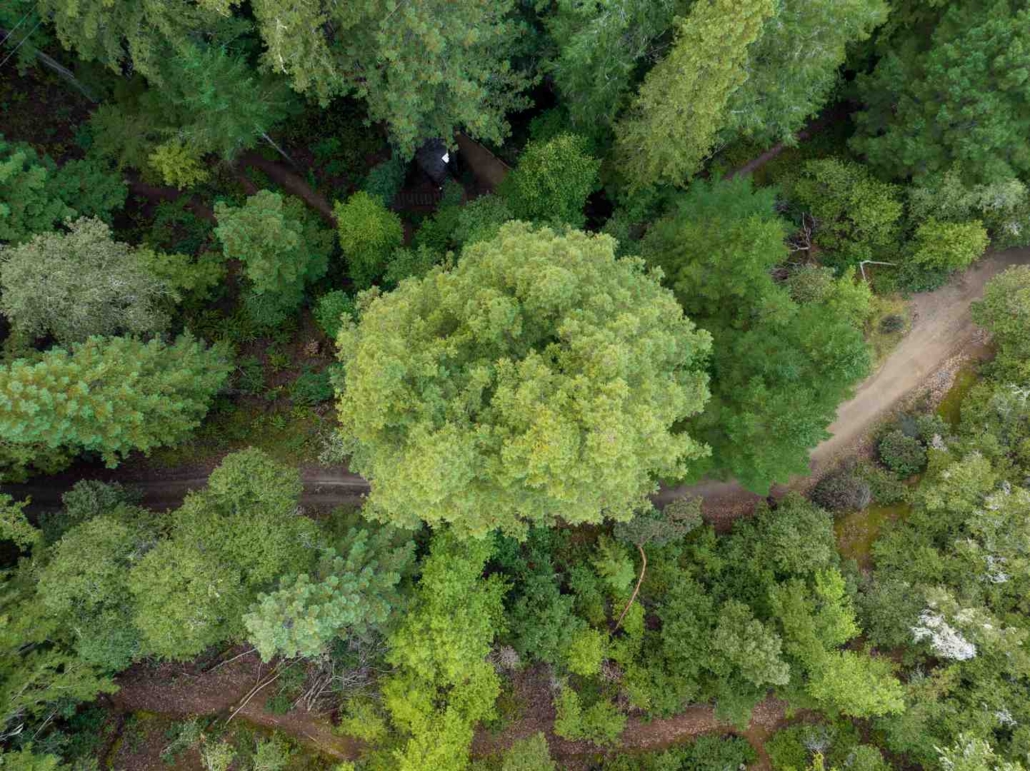
Nature Deficit Disorder: How Screen-Heavy Work Is Driving the Need for Executive Retreats
When Did We Stop Going Outside? Understanding Nature Deficit Disorder
Nature deficit disorder is a non-clinical term introduced by Richard Louv to describe concerns associated with reduced time outdoors, increased indoor living, and a weakening connection with the natural world. It is not a medical diagnosis; it is a framework for discussing the rise of screen-centered routines, indoor lifestyles, and reduced everyday contact with nature.
Quick answer:
| Question | Answer |
|---|---|
| Who coined it? | Richard Louv, in 2005 |
| Is it a medical condition? | No — not listed in the DSM-5 or ICD-10 |
| Who does it affect? | Children and adults, especially in urban settings |
| Main causes | Screen time, urbanization, parental fear, disappearing open spaces |
| Common concerns | Less physical activity, fewer outdoor experiences, digital fatigue, reduced opportunities for sensory engagement, and less time for unstructured reflection. |
| Can more outdoor time help? | Research associates nature contact with physical activity, stress reduction, and aspects of cognitive and emotional well-being, although it is not a medical treatment. |
Screen-based work, entertainment, and communication now occupy a larger share of daily life, often leaving less time for outdoor activity and direct contact with nature. For both children and adults, screens increasingly shape how we learn, work, communicate, and spend leisure time, sometimes displacing movement and time outdoors. In a single generation, the area around home where children are allowed to roam unsupervised has declined by almost 90%. Fewer than one in ten children now regularly play in wild places — compared to nearly half a generation ago.
Research increasingly associates regular nature contact with physical activity, lower perceived stress, and aspects of cognitive and emotional well-being.
I’m Joy Ferguson, a tourism and destination marketing professional with deep roots in Northern California’s Redwood landscapes, including my work at Alliance Redwoods Conference Grounds, where I’ve seen how immersive outdoor experiences can give groups intentional time away from screens while supporting movement, reflection, and renewed connection with one another and the natural environment. In the sections ahead, we’ll break down exactly what this concept means, what’s driving it, and what educators, families, and retreat planners can do about it.
What is Nature Deficit Disorder?
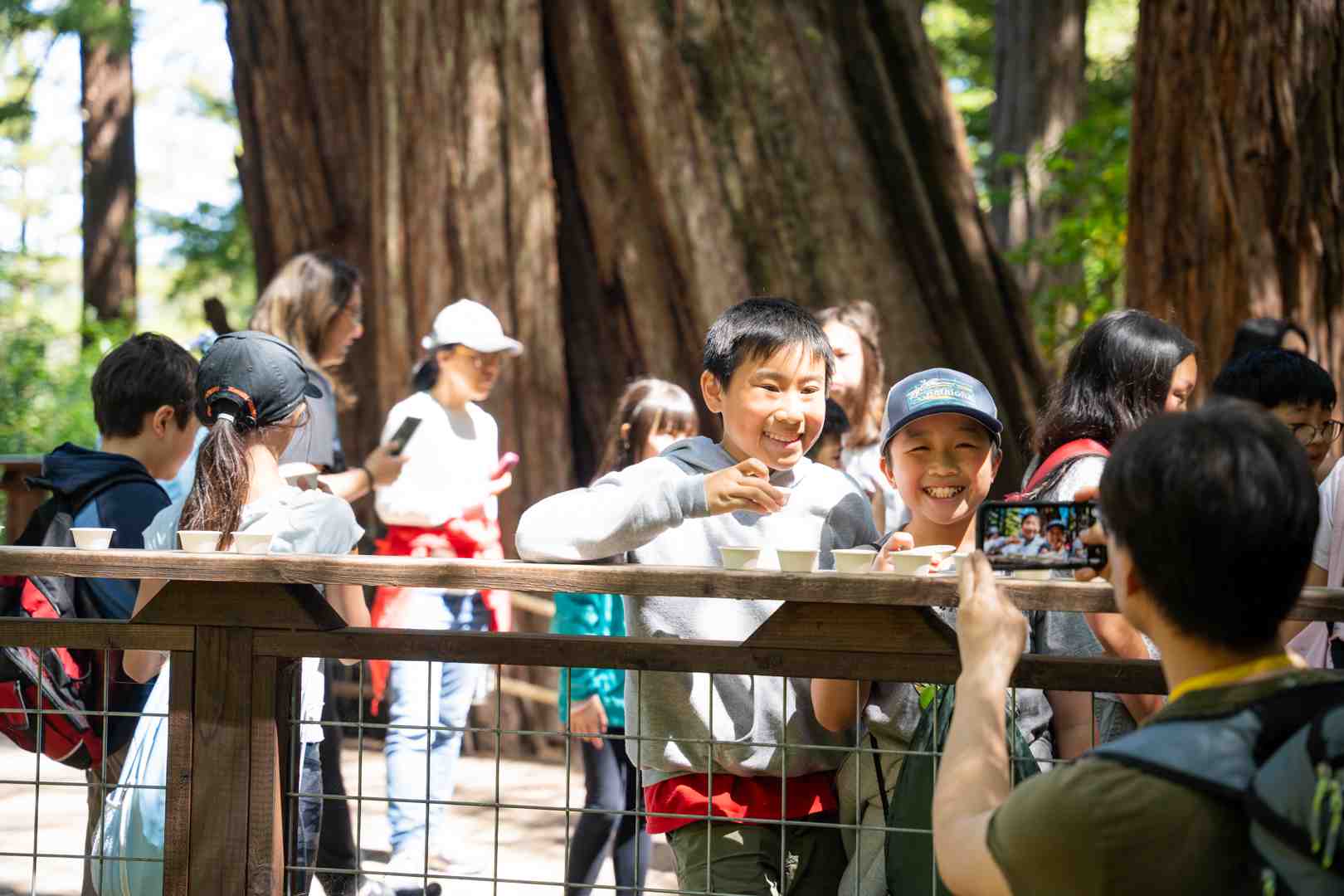
To truly understand nature deficit disorder, we must first look at it not as a clinical disease, but as a cultural symptom. It describes the modern alienation we feel from the very environment that shaped our species. For millions of years, the human-nature relationship was defined by daily, immersive contact. Many modern routines keep people indoors for much of the day, particularly when work, education, communication, and entertainment all depend on screens.
Reduced outdoor time can limit opportunities for varied movement, sensory engagement, and first-hand learning about local environments. When children spend their lives on flat, carpeted surfaces, their vestibular and proprioceptive systems miss out on the complex challenges of navigating uneven forest floors, climbing branches, and balancing on fallen logs.
Furthermore, this disconnection directly threatens the future of environmental conservation. If we do not know the names of the trees in our neighborhoods, or if we have never felt the quiet awe of standing beneath a towering canopy, we are far less likely to fight to protect these spaces. By examining the ideas in What is Nature-Deficit Disorder? – Richard Louv and looking at the linguistic roots defined in nature-deficit disorder – Wiktionary, the free dictionary, we find that this term serves as an essential mirror, showing us exactly what we lose when we lock ourselves indoors.
The History and Coining of Nature Deficit Disorder
The term was introduced to the public in 2005 with the publication of Richard Louv’s groundbreaking book, Last Child in the Woods: Saving Our Children from Nature-Deficit Disorder. Louv, an American journalist and author, did not set out to create a new clinical category for the Diagnostic and Statistical Manual of Mental Disorders (DSM). Instead, he wanted to give parents, educators, and policymakers a shared language to describe a massive, unrecognized societal shift.
Louv’s work built upon the concept of “biophilia,” a term popularized by biologist E.O. Wilson, which suggests that humans possess an innate, evolutionary affinity for the natural world and other forms of life. When daily routines leave little room for nature contact, people may miss opportunities for movement, restoration, and environmental connection. Following the massive success of Louv’s book, the WHAT IS NATURE-DEFICIT DISORDER? | Children & Nature Network was co-founded to build a global movement dedicated to turning the tide and getting kids back outside. Since Louv introduced the phrase, researchers have examined how nature contact relates to physical activity, stress, attention, and well-being across different populations.
Is Nature Deficit Disorder a Recognized Medical Diagnosis?
It is important to state clearly that nature deficit disorder is not recognized as a medical condition in standard diagnostic manuals like the DSM-5 or the ICD-10. Health professionals do not diagnose nature deficit disorder. The phrase is best used to discuss lifestyle and environmental patterns rather than a condition requiring treatment. Instead, it is a sociological metaphor and a conceptual framework.
This distinction has drawn some academic criticism. Scholars such as sociologist Elizabeth Dickinson argue that labeling the issue as an individual “disorder” or “deficit” misdiagnoses the root problem. Critics suggest that the term pathologizes normal human reactions to artificial confinement, shifting the blame onto children or parents rather than addressing the dysfunctional adult cultural practices, economic pressures, and poor urban planning that restrict outdoor access in the first place.
According to the comprehensive overview of the debate on Nature deficit disorder, the term is most valuable when viewed as a cultural rallying cry. It helps us discuss the systemic barriers between humans and the earth without getting bogged down in purely clinical jargon.
The Modern Causes of Nature Disconnection
Stepping outside is often treated as an optional part of the day rather than a regular component of a healthy routine. The modern disconnect from the natural world is not the result of a single bad choice; it is the cumulative effect of rapid technological changes, shifting social norms, and drastic environmental modifications.
Urbanization has played a massive role. As concrete and asphalt replace open fields, “nearby nature” disappears. In many urban environments, historical planning decisions have left marginalized communities with minimal tree canopy or park access, creating deep geographic inequalities. Additionally, the ways we design our public parks can sometimes work against deep nature connection. Overly restrictive park rules—such as “do not walk off the trail” signs—can paradoxically alienate children, preventing them from interacting tactilely with the earth and developing an organic, hands-on relationship with their local ecosystem.
To explore how these structural elements shape our lives, you can read the Natural Childhood Report or dig into our analysis of the Education Environment Connection.
The Decline of Unsupervised Outdoor Play
Perhaps the most dramatic shift in modern childhood is the collapse of a child’s “radius of activity”—the physical area around their home where they are allowed to explore unsupervised. Research and public discussion have documented a decline in independent outdoor play, influenced by changes in transportation, neighborhood design, family routines, and safety concerns. Consider these generational shifts:
- Walking to School: In 1971, 80% of seven- and eight-year-olds walked to school, often alone or with friends. Two decades later, fewer than 10% did so—and almost all of those were closely accompanied by parents.
- Independent Exploration: Today, two out of three ten-year-olds have never been to a local shop or park by themselves.
- Wild Places: Fewer than one in ten children regularly play in wild, unstructured places, compared to nearly half of the previous generation.
This retreat indoors is heavily driven by parental fears of “stranger danger” and traffic safety, often amplified by 24-hour news cycles. While the number of child road fatalities has dropped dramatically over the decades, our fear has grown. This has led to an era of “helicopter parenting” and a societal obsession with creating “zero-risk” environments.
Unfortunately, by protecting children from all physical risks, we deny them the chance to learn risk assessment, build resilience, and develop confidence. Well-designed outdoor programs can introduce appropriate challenges under trained supervision, helping participants practice judgment, communication, and confidence. To understand how we can safely restore this balance, we invite you to Discover the importance of outdoor education in California.
The Rise of Digital Entertainment and Screen Time
While the outdoors has been systematically restricted, the draw of the indoor world has grown exponentially. Digital technology now shapes both leisure and work, making intentional screen breaks increasingly relevant for families, schools, and executive retreats.
On average, children watch more than 17 hours of television a week—nearly two-and-a-half hours every single day. When you add computers, tablets, and smartphones to the mix, the numbers become even more alarming. Young people spend more than 20 hours a week online, largely on social media. For teenagers aged 11 to 15, screen-based media consumes about half of their waking lives—averaging 7.5 hours a day, which represents a massive 40% increase over the last decade.
This constant screen exposure does more than just eat up time that could be spent outdoors; it has direct physiological effects on our bodies:
Late and prolonged screen use can interfere with healthy routines by extending sedentary time, delaying sleep, and displacing physical activity or time outdoors. To understand the profound differences between screen-based learning and natural immersion, you can Read about the effects of outdoor education programs.
The Physical and Mental Toll of Nature Deprivation
When screen-heavy indoor routines leave little room for movement and nature contact, they can affect stress, attention, sleep, and overall well-being. The rise of sedentary, indoor lifestyles has closely mirrored a dramatic surge in chronic physical and mental health struggles.
| Health Metric | Nature-Deprived Lifestyle | Nature-Rich Lifestyle |
|---|---|---|
| Physical Activity | 24% less likely to be active; higher obesity rates | 24% more likely to be active; lower obesity rates |
| Mental Health | Higher rates of anxiety, depression, and self-harm | Enhanced emotional resilience; lower cortisol levels |
| Attention & Focus | Elevated ADHD symptoms; high mental fatigue | Threefold reduction in ADHD symptoms; restored focus |
| Immune System | Lower white blood cell count; Vitamin D deficiency | Boosted immune function via phytoncides and sunlight |
| Social Well-being | Increased isolation; lower self-esteem | Stronger community cohesion; higher self-esteem |
These concerns should not be attributed to nature disconnection alone. Health and well-being reflect many interacting personal, social, environmental, and economic factors. Approximately three in ten children are classified as overweight or obese. Meanwhile, mental health struggles are soaring: one in ten children aged five to sixteen has a clinically diagnosed mental health disorder, and one in twelve adolescents engages in self-harm.
When we look at these numbers, it becomes clear that our current way of living is unsustainable. For a deeper look at how this disconnect affects our cultural psyche, read the Resurgence Article on Nature Deficit Disorder, and to see how structured outdoor environments offer a path forward, you can Explore why California outdoor education works.
Cognitive and Emotional Impacts on Children
The cognitive effects associated with screen-heavy routines are especially relevant in environments that require sustained attention, including classrooms and workplaces. Without regular exposure to natural, open spaces, children frequently experience mental fatigue and attention difficulties. The human brain is not designed to focus continuously on highly stimulating, artificial screens. When forced to do so, our “directed attention” capacity becomes exhausted, leading to irritability, impulsivity, and a lack of focus.
This sensory restriction also leads to a decline in basic ecological literacy. In a famous survey, nine out of ten children could easily identify a fictional “Dalek” from the television show Doctor Who, yet one in three could not identify a common magpie, and half could not tell the difference between a bee and a wasp.
When kids lose touch with the natural world, they lose a vital, non-judgmental space where they can process real-world confusion, experience healthy solitude, and build self-esteem. To discover how outdoor classrooms can reverse this trend, we encourage you to Experience nature’s classroom with youth outdoor education programs in California.
The Physiological Benefits of Green Spaces
Fortunately, the remedy to nature deprivation does not require complex medical interventions. It requires dedicated green space, which is why Alliance Redwoods provides a redwood setting where groups can schedule time away from screens, move outdoors, reflect, and reconnect face to face. When we step into our preserved natural environment, our bodies undergo immediate, measurable physiological changes.
Taking a walk in our wooded areas exposes us to organic compounds called “phytoncides.” These are antimicrobial compounds released by plants and trees to protect themselves from insects and rot. Forest environments contain varied sights, sounds, textures, and natural aromas that can make outdoor walks feel calming and immersive.
This practice, known in Japan as shinrin-yoku or “forest bathing,” is a core element of our outdoor programs and has been shown to reduce blood pressure, lower heart rates, and suppress the production of stress hormones like cortisol. Even small doses of nature make a massive difference: as little as five minutes of “green exercise” within our redwood canopy can rapidly improve mood and self-esteem. To dive deeper into the science behind these physiological transformations, you can Read all about outdoor education.
Reconnecting with the Earth: Practical Solutions for Families and Organizations
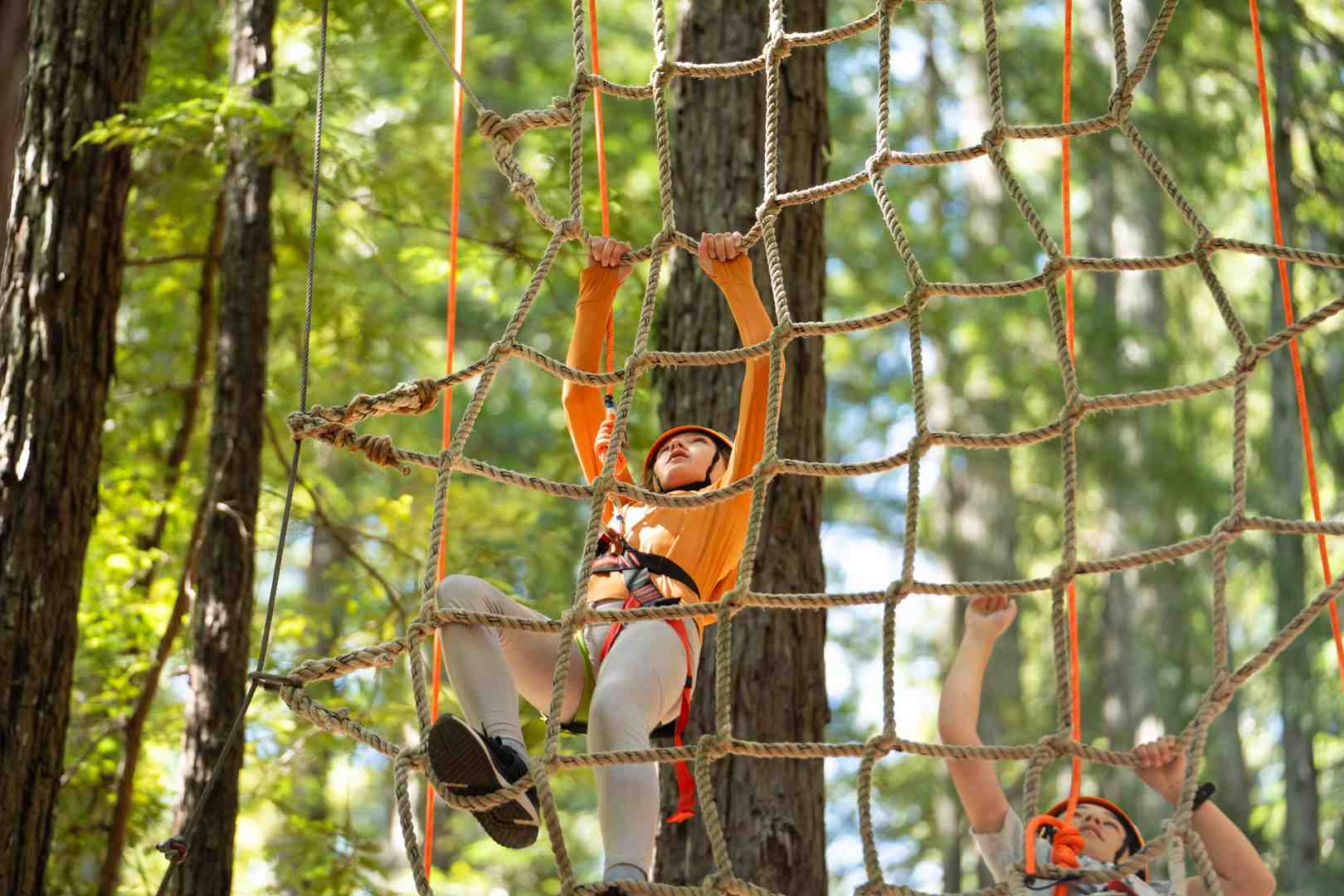
The concerns described by the nature deficit disorder framework can be addressed by creating regular opportunities for outdoor time, including everyday nature contact and more immersive experiences such as redwood retreats. Daily outdoor habits and structured programs can complement one another: local nature contact builds consistency, while retreats create space for deeper immersion and group connection.
For families and educational institutions alike, the ultimate path forward lies in structured, expert-led outdoor experiences. To start building your own toolkit for outdoor integration, check out our Environmental Education 101 guide and Read the complete guide to outdoor schooling.
The Role of Structured Outdoor Education
Structured outdoor education programs provide a systematic, highly effective way to close the nature gap. Alliance Redwoods offers structured outdoor education in a redwood environment, with guided activities designed around exploration, cooperation, and experiential learning.
In our outdoor school setting, children are encouraged to engage in managed risk-taking, such as climbing trees, navigating steep trails, and crossing creeks. Under the supportive, neutral guidance of our trained educators, these experiences teach children how to assess real-world hazards, negotiate conflicts with peers, and build emotional resilience.
For schools looking to integrate these powerful experiences into their academic year, we recommend you Explore outdoor schools in Northern California and Learn about youth outdoor education programs in California.
Experiential Learning and Group Retreats
The need for nature connection does not end when we reach adulthood. Executives and teams commonly spend long periods in screen-centered work environments, which can leave limited time for movement, uninterrupted reflection, and in-person connection.
This is where our experiential learning and group retreats become invaluable. Moving meetings from a conventional workplace to a redwood setting can create new opportunities for focused discussion, shared activity, and more present interaction. Surrounded by trees that have stood for centuries, participants can practice mindfulness, engage in collaborative team-building challenges, and find a deep sense of belonging and restoration.
To explore how these experiences can transform your organization, you can Read about experiential learning types and Find the best experiential learning opportunities in Northern California.
Frequently Asked Questions about Nature Deprivation
What are the primary symptoms of nature deprivation in children?
While not a clinical diagnosis, children experiencing a lack of outdoor time often show clear signs of nature deprivation. These include chronic attention difficulties, a diminished use of their physical senses, lower self-esteem, elevated levels of anxiety, and physical signs like obesity or poor motor coordination. They may also display a lack of basic environmental awareness, often struggling to identify common local plants and wildlife.
How does spending time in nature reduce ADHD symptoms?
Natural environments provide a unique cognitive break known as “Attention Restoration Therapy.” Unlike urban streets or digital screens, which demand intense, exhausting “directed attention,” nature engages our “soft fascination.” The gentle movement of leaves, the patterns of light on a trail, and the sounds of flowing water capture our attention effortlessly. Some research suggests natural environments may support attention restoration, but outdoor time should not be presented as a treatment for ADHD or a replacement for professional care.
What is forest bathing and how does it help?
Forest bathing, or shinrin-yoku, is a Japanese practice of mindful immersion in a forest environment, which we facilitate directly at Alliance Redwoods. Rather than a strenuous physical hike, it focuses on engaging all five senses to connect deeply with the surroundings. This practice has been scientifically shown to lower cortisol levels, reduce blood pressure, and boost the immune system. This boost occurs because our redwood trees release natural compounds called phytoncides, which increase our body’s production of infection-fighting white blood cells.
Conclusion
The modern disconnect from the natural world is a significant challenge, but it is one we have the power to solve. Nature deficit disorder is not a condition requiring medical treatment. It is a reminder to examine how screen-heavy routines may be crowding out movement, outdoor time, and direct human connection.
Alliance Redwoods offers lodging, meeting spaces, dining, and outdoor programming in a Sonoma County redwood setting for schools, community groups, and executive retreats. Nestled in a breathtaking, historic 115-acre Redwood forest property in Occidental, California, we have been helping groups reconnect with nature since 1946.
The combination of lodging, meeting facilities, outdoor spaces, and facilitated activities allows groups to design a retreat around focus, connection, and renewal. We proudly serve communities across the entire Bay Area and Northern California, including:
- North Bay: Santa Rosa, Sebastopol, Petaluma, Rohnert Park, Sonoma, Healdsburg, San Rafael, Novato, Mill Valley, Sausalito, Napa, Calistoga, St. Helena, and American Canyon.
- East Bay: Oakland, Berkeley, Alameda, Emeryville, San Leandro, Hayward, Fremont, Union City, Newark, Richmond, El Cerrito, Walnut Creek, Concord, and Danville.
- San Francisco & Peninsula: San Francisco, Daly City, San Mateo, Redwood City, Menlo Park, Palo Alto, and Sunnyvale.
- South Bay: San Jose, Santa Clara, Cupertino, Mountain View, and Milpitas.
- Sacramento & Central Valley: Sacramento, Davis, Woodland, Roseville, Rocklin, Stockton, Lodi, and Tracy.
Screen-heavy routines can leave leadership teams with too little time for uninterrupted thinking, movement, and meaningful face-to-face connection. An executive retreat in the redwoods creates intentional space to step away from daily distractions and return to the work with renewed perspective. Contact Alliance Redwoods to begin planning an executive retreat built around your team’s goals.

