
How Are Education and the Environment Connected?
Why Is the Connection Between Education and the Environment So Critical?
The relationship is bidirectional—one clear reason why education and the environment are connected shows up in real student outcomes. The physical state of our environment directly impacts our ability to learn, teach, and maintain functional educational systems. At the same time, the focus of our educational systems determines how effectively we cultivate the next generation of ecological stewards who will manage our planet’s resources.
Today, the urgency is clear: environmental disruption increasingly affects learning conditions and school continuity. Environmental degradation—ranging from severe wildfires in Sonoma County to poor air quality in the wider San Francisco Bay Area—actively disrupts schooling, damages infrastructure, and impacts student health. Conversely, when we provide students with immersive, nature-based learning experiences, we empower them to understand these complex ecological challenges and take informed, responsible action. This guide will explore the deep-seated connections between education and the environment, unpacking the scientific, psychological, and structural frameworks that define this vital relationship.
What Is Environmental Education and How Does It Differ from General Information?
To understand how education and the environment are connected, start with a clear definition of environmental education (EE). Environmental education (EE) is a skill-building, neutral approach that teaches learners to investigate environmental issues and make informed decisions. Crucially, true EE does not advocate a single viewpoint. Instead, it teaches students how to weigh various sides of an issue through critical thinking, enhancing their decision-making skills so they can make informed, independent choices.
In contrast, environmental information simply provides facts, data, or opinions. While information is valuable, it does not necessarily teach critical thinking, nor does it guide students through the process of problem-solving. In fact, environmental information often carries a specific bias or advocates for a particular stance, whereas environmental education remains a neutral pedagogical framework.
According to UNESCO’s Education for Sustainable Development Guide, this distinction is critical for global progress. Education for Sustainable Development (ESD) integrates cognitive, socio-emotional, and behavioral learning dimensions to empower individuals to make decisions that ensure environmental integrity, economic viability, and a just society. Yet, global curriculum gaps remain stark. Research indicates that 47% of national curriculum frameworks of 100 countries made no reference to climate change. To address this, 107 countries are currently developing or implementing an ESD for 2030 country initiative, building on the momentum of the Berlin Declaration on ESD, which was adopted by all 2,800 education and environment stakeholders from 161 countries.
| Feature | Environmental Education (EE) | Environmental Information |
|---|---|---|
| Primary Goal | Develops critical thinking and problem-solving skills. | Provides facts, data, and general awareness. |
| Perspective | Neutral; teaches students how to weigh multiple sides. | May advocate for a specific viewpoint or outcome. |
| Action Component | Empowers students to take independent, informed action. | Does not necessarily guide students toward action. |
| Approach | Interdisciplinary, experiential, and skill-focused. | Information-based, passive, and cognitive-heavy. |
The Core Components of Environmental Education
To be effective, Environmental Education must encompass five core components:
- Awareness and Sensitivity: Fostering a basic awareness of and sensitivity to the environment and its allied problems.
- Knowledge and Understanding: Helping individuals gain a basic understanding of how the environment functions and how human activities impact it.
- Attitudes of Concern: Helping students acquire a set of values and feelings of concern for the environment, motivating them to actively participate in environmental protection.
- Skills to Resolve Challenges: Developing the practical skills needed to identify, investigate, and resolve environmental problems.
- Active Participation: Providing students with opportunities to be actively involved at all levels in working toward the resolution of environmental challenges.
What Is Education for Sustainable Development (ESD)?
Education for Sustainable Development (ESD) is UNESCO’s flagship framework designed to make sustainability a core pillar of lifelong learning. ESD transforms not only what is learned but also how and where learning occurs. It moves education beyond the traditional four walls of a classroom and into the natural environment, encouraging schools to adopt sustainable practices in their daily operations. By integrating environmental integrity, economic viability, and social justice, ESD prepares students of all ages to make responsible decisions that protect our shared future.
How Does Environmental Education Foster Real Ecological Behavior?
A common misconception in traditional schooling is that simply teaching children the facts about environmental degradation will automatically lead to sustainable behaviors. However, research consistently shows that rote knowledge alone has very little effect on actual behavior. To foster real, long-term ecological behavior, we must understand the relationship between knowledge, emotional connection, and action.
That finding helps explain how education and the environment are connected: emotional connection drives behavior more than facts alone. In a study of 4th to 6th graders participating in nature-based environmental education, researchers found that connectedness to nature explained a staggering 69% of the variance in ecological behavior. In contrast, environmental knowledge explained only 2% of the variance. This means that while learning facts is a necessary prerequisite, it is the emotional bond with the natural world that actually drives students to change their habits and protect the environment.
By focusing on building this emotional connection, we transition students from experiencing extrinsic pressure (doing something because they are told to) to developing intrinsic motivation (acting sustainably because they genuinely care about the Earth). This is the foundation of long-term ecological stewardship.
The Power of Nature Connectedness
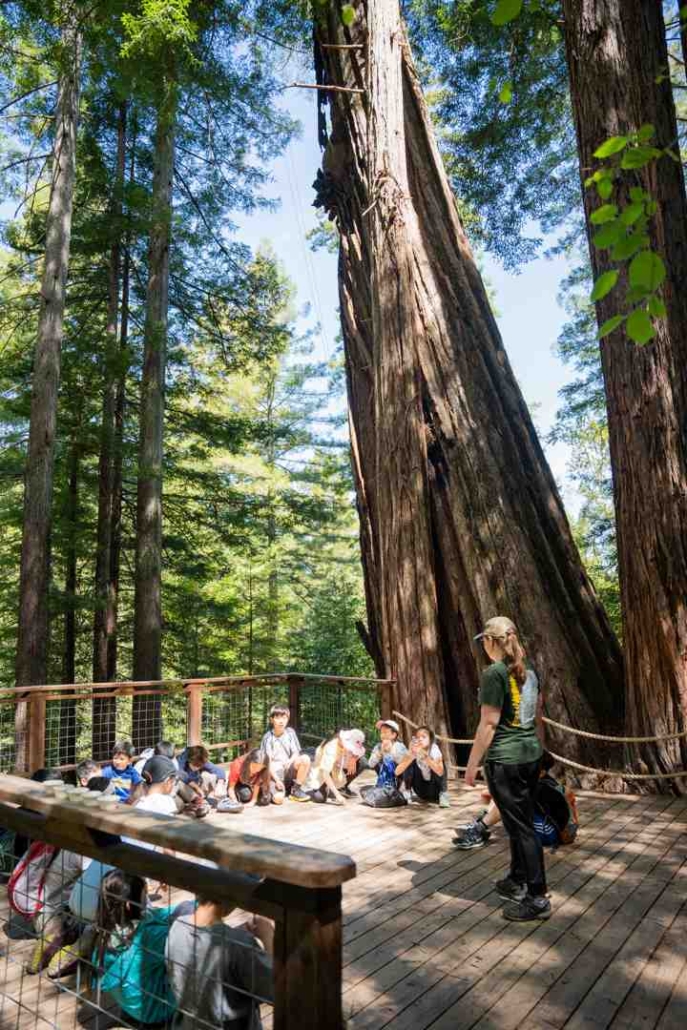
Connectedness to nature is not something that can be taught out of a textbook. It requires direct, physical contact with the natural world. When students stand beneath towering trees, touch the soil, and observe wildlife in their natural habitats, they move beyond cognitive understanding to emotional resonance. This direct contact is essential for building empathy for ecosystems. When a student feels connected to a forest, they no longer view it as an abstract resource to be exploited or a distant concept to be studied; they view it as a living system worthy of care and protection.
Cultivating Positive Environmental Attitudes
To cultivate positive environmental attitudes, school curricula must move beyond simple information transfer. We must align environmental attitude elements with sustainable, research-based education practices. For primary and secondary students, this means focusing on action-oriented, hands-on activities that allow them to interact directly with natural elements like soil, water, air, and biotic structures. As students progress to higher education, these experiences should be linked to higher-level thinking skills, allowing them to analyze complex feedback loops and systemic environmental challenges. To learn more about the fundamentals of this approach, you can read our comprehensive guide on Environmental Education 101.
How Do Climate Change and Environmental Degradation Impact Education Systems?
While we often focus on how education can benefit the environment, we must also address the reverse: how environmental degradation actively threatens the right to education. Climate change is disrupting education—another way how education and the environment are connected, especially for any outdoor education program school planning continuity.
From a human rights perspective, the impact of climate change on education can be analyzed through the lens of the “4As” framework: Availability, Accessibility, Acceptability, and Adaptability. Extreme weather events—such as the severe wildfires, floods, and heatwaves that have impacted Bay Area communities like Santa Rosa, San Rafael, and San Jose—directly threaten these four dimensions. Wildfires lead to prolonged school closures and hazardous air quality, forcing students indoors and disrupting learning continuity. In severe cases, school infrastructure is physically destroyed, or schools are repurposed as emergency shelters, further delaying the return to normal instruction. Furthermore, extreme heat and localized pollution have documented negative health impacts on students, reducing cognitive performance and increasing absenteeism.
The 4As Framework and Educational Rights
To protect students’ right to education amidst environmental crises, we must evaluate educational systems through these four criteria:
- Availability: Educational institutions must be physically available and located at safe distances from environmental hazards, pollution, and flooding zones.
- Accessibility: Physical access to schools must be maintained, even during weather events. This requires resilient transportation infrastructure and, where necessary, the capacity to implement distance learning or mobile facilities during emergencies.
- Acceptability: Learning environments must remain safe, healthy, and acceptable. This means schools must be equipped with adequate heating, cooling, clean drinking water, and sanitation facilities to withstand extreme temperatures and pollution.
- Adaptability: Education systems must be adaptable, with the flexibility to pivot during environmental crises without sacrificing the quality of instruction.
Building Climate-Resilient School Infrastructure
To safeguard the future of learning, we must prioritize building climate-resilient school infrastructure, particularly in underserved communities that are most vulnerable to environmental hazards. This involves retrofitting schools with renewable energy systems, natural cooling designs, and edible gardens that reduce the urban heat island effect. By transforming school grounds into green, resilient spaces, we design schools as active platforms for climate solutions.
Why Do Nature-Based and Experiential Learning Approaches Work Best?
To bridge the gap between cognitive knowledge and emotional connection, we must utilize nature-based and experiential learning. The pedagogical power of learning outside the classroom is supported by a wealth of academic research.
For instance, the MDPI Study on Experiential Learning in Natural Contexts demonstrates that using protected natural areas, such as biosphere reserves, as living laboratories significantly improves both specific conservation knowledge and general environmental awareness. Similarly, the MDPI Case Study on the GreenWay Urban Corridor highlights how urban green corridors can serve as transdisciplinary outdoor classrooms that connect students with planetary health concepts. Furthermore, the MDPI Study on Learning Landscapes in Higher Education shows how designing “learning landscapes” aligned with Sustainable Development Goal 11 (Sustainable Cities and Communities) helps university students develop higher-order thinking and sustainability competencies.
Outdoor learning can reduce disconnection from nature and improve engagement, focus, and wellbeing—benefits that reinforce how education and the environment are connected. Outdoor learning promotes healthy lifestyles by encouraging physical activity, which helps address childhood obesity, reduces stress, and alleviates symptoms of attention deficit disorders. Moreover, these programs seamlessly meet Next Generation Science Standards (NGSS) and Common Core requirements by teaching core scientific concepts through hands-on, interdisciplinary exploration.
Experiential Learning and Forest Schools
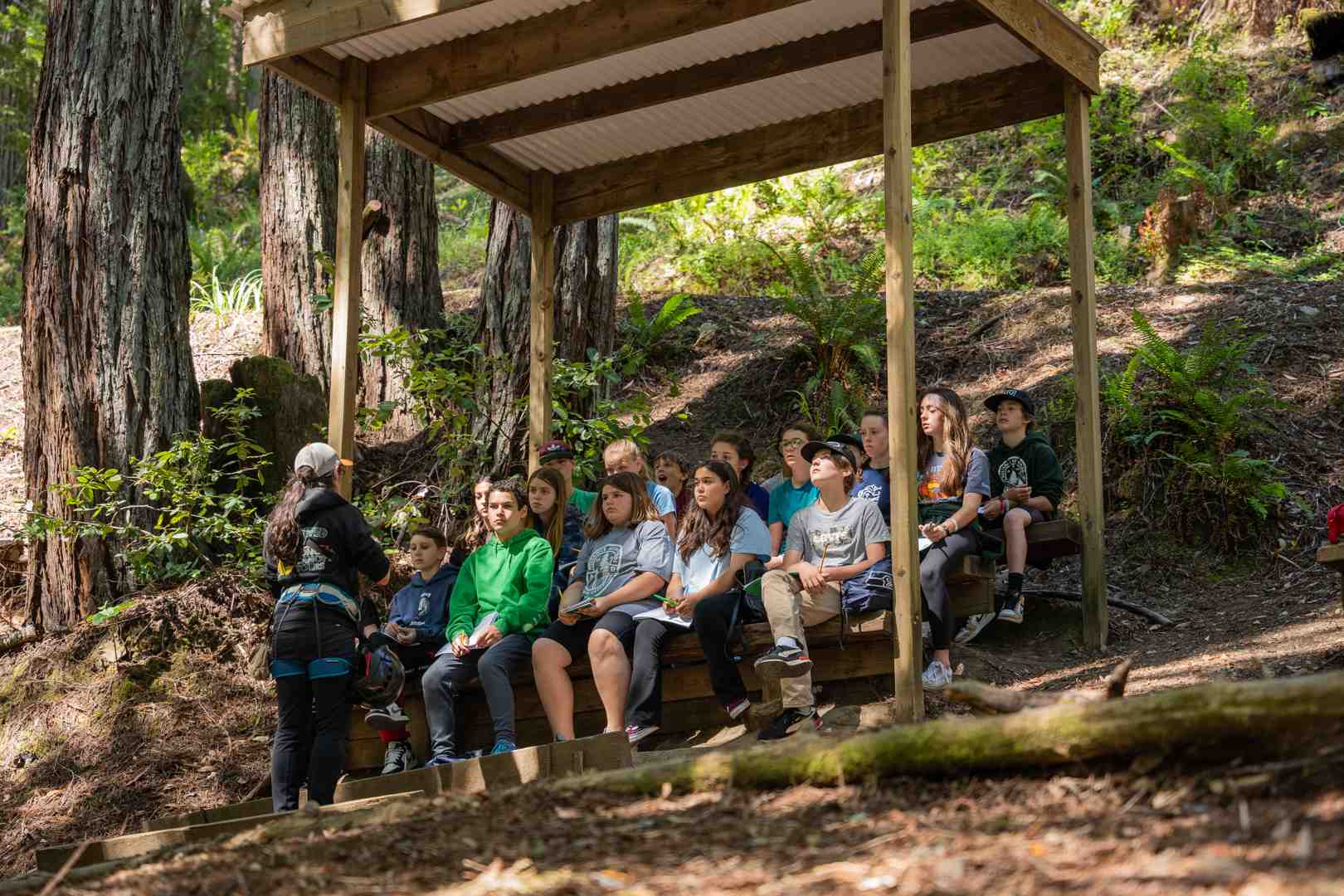
One of the most successful models of nature-based education is the forest school. Forest schools utilize an emergent curriculum that follows children’s intrinsic motivation and curiosity. Rather than following a rigid lesson plan, educators act as supportive guides, allowing students to lead their own learning through spontaneous discovery.
A key element of this approach is managed risk-taking. Climbing trees, navigating uneven terrain, and exploring natural water sources help children develop resiliency, problem-solving skills, self-determination, and confidence. To understand why this approach is so effective in our home state, you can read about the Importance of Outdoor Education in California and discover Why California Outdoor Education Works. For a deeper dive into the pedagogy, explore our guides on Experiential Learning Types Everything You Need to Know and The Complete Guide to Outdoor Schooling.
Living Laboratories: Biosphere Reserves and Urban Greenways
Protected natural areas and urban green corridors serve as exceptional living laboratories. When students conduct water quality testing, participate in stream-watch activities, or study forest biodiversity, they are not just reading about science—they are practicing it. These environments allow us to integrate the five-domain Planetary Health Educational Framework, which connects human health directly to the health of our ecosystems. Experiential learning in these settings has been proven to yield statistically significant improvements in conservation awareness and scientific literacy.
How Can Policy, Teacher Training, and Communities Strengthen This Connection?
Despite the overwhelming evidence supporting the benefits of environmental and outdoor education, systemic barriers prevent many schools from fully integrating these practices. One of the most significant hurdles is the teacher training gap. While 40% of teachers report feeling confident in teaching the cognitive dimensions of climate change, only 20% feel equipped to explain how students can take meaningful action.
To strengthen how education and the environment are connected, schools need policy support, trained educators, and community partners who can deliver real-world learning. In California, we are seeing a powerful grassroots movement. Educators, students, and community leaders are actively advocating for systemic change, as detailed in the report on how Teachers and Students Push for Climate Change Education in California. Local school districts are also taking the lead; for example, look at Fremont’s Educational Response to the Climate Emergency, which showcases how student advocacy can drive district-wide environmental action. By fostering collaboration between public schools, local governments, and professional outdoor education centers, we can create a cohesive network that supports lifelong environmental literacy.
Overcoming the Teacher Training Gap
To empower educators, we must provide them with the professional development, resources, and curriculum tools they need to teach action-oriented environmental science. This means moving beyond dry, textbook-based facts and training teachers in experiential, outdoor pedagogy. When teachers are confident in their ability to lead outdoor investigations, they can transform their classrooms and inspire their students to become active participants in climate solutions.
Immersive Outdoor Education at Alliance Redwoods
Alliance Redwoods Conference Grounds supports schools and youth organizations with immersive outdoor learning experiences in a redwood forest setting. Nestled within a spectacular 115-acre coastal Redwood forest in Occidental, California, we have been providing life-changing, nature-based experiences since 1946. Our location is ideally situated to serve groups from San Francisco, Oakland, Berkeley, San Jose, and the surrounding Bay Area counties.
We offer fully accredited, NGSS-aligned outdoor education programs that focus on Redwood Forest Ecology, Stream & Watershed Ecology, and Conservation. Our curriculum is designed to bring science to life, allowing students to study Redwood anatomy, investigate aquatic macro-invertebrates in active creeks, and learn the principles of environmental stewardship first-hand.
Beyond academic science, we specialize in integrating character development, teambuilding, and adventure programming. Students challenge themselves on our high ropes courses, build trust through collaborative teambuilding initiatives, and develop deep personal resilience. To explore how we connect learning to the land, discover our resources on the Education Environment Connection and our Youth Outdoor Education Programs California. Learn more about The Best Experiential Learning Opportunities in Northern California, read about the long-term Effects of Outdoor Education Programs, and prepare to Experience Natures Classroom with Youth Outdoor Education Programs in California. For complete program details, visit Alliance Redwoods Outdoor Education.
Frequently Asked Questions About Education and the Environment?
How does climate change directly affect a student’s ability to learn?
Climate change disrupts education through both direct physical impacts and cognitive stressors. Extreme weather events lead to school closures, infrastructure damage, and the displacement of families. Furthermore, high temperatures and poor air quality from wildfires—common issues in Northern California—have been shown to impair cognitive function, reduce academic performance on standardized tests, and increase school absenteeism due to health complications like asthma.
Why is emotional connection to nature more important than environmental knowledge for behavior change?
While knowledge provides the necessary understanding of environmental issues, it rarely translates into action on its own. That finding helps explain how education and the environment are connected: emotional connection drives behavior more than facts alone. An emotional bond fosters empathy and intrinsic motivation, making sustainable habits a natural expression of care for the Earth rather than a chore driven by external rules.
How can schools integrate environmental education without sacrificing core academic standards?
Schools do not have to choose between academic rigor and environmental education. High-quality outdoor education programs are designed to be interdisciplinary, seamlessly integrating Next Generation Science Standards (NGSS) and Common Core State Standards. By studying ecology, watershed dynamics, and conservation through hands-on field investigations, students master core scientific concepts, math skills, and language arts in a real-world context that enhances academic retention.
How Can We Build a Sustainable Future Through Education?
The connection between education and the environment is one of the most powerful levers we have for building a sustainable, resilient society. By shifting our educational focus from passive, classroom-bound instruction to active, experiential learning in nature, we do more than teach science—we cultivate ecological consciousness. We help students see themselves not as separate from nature, but as an active, responsible part of its cycles.
As we look to the future, we invite schools, parents, non-profits, and organizations to invest in the power of outdoor learning. Whether you are planning a school science camp, a youth retreat, or a collaborative team-building event, we are here to support your journey. Alliance Redwoods stands ready as your premier partner in Northern California, offering an unparalleled setting where restoration, education, and connection come together. To plan an outdoor learning experience, start with our Inquiry Form, and contact Alliance Redwoods with any program questions.

